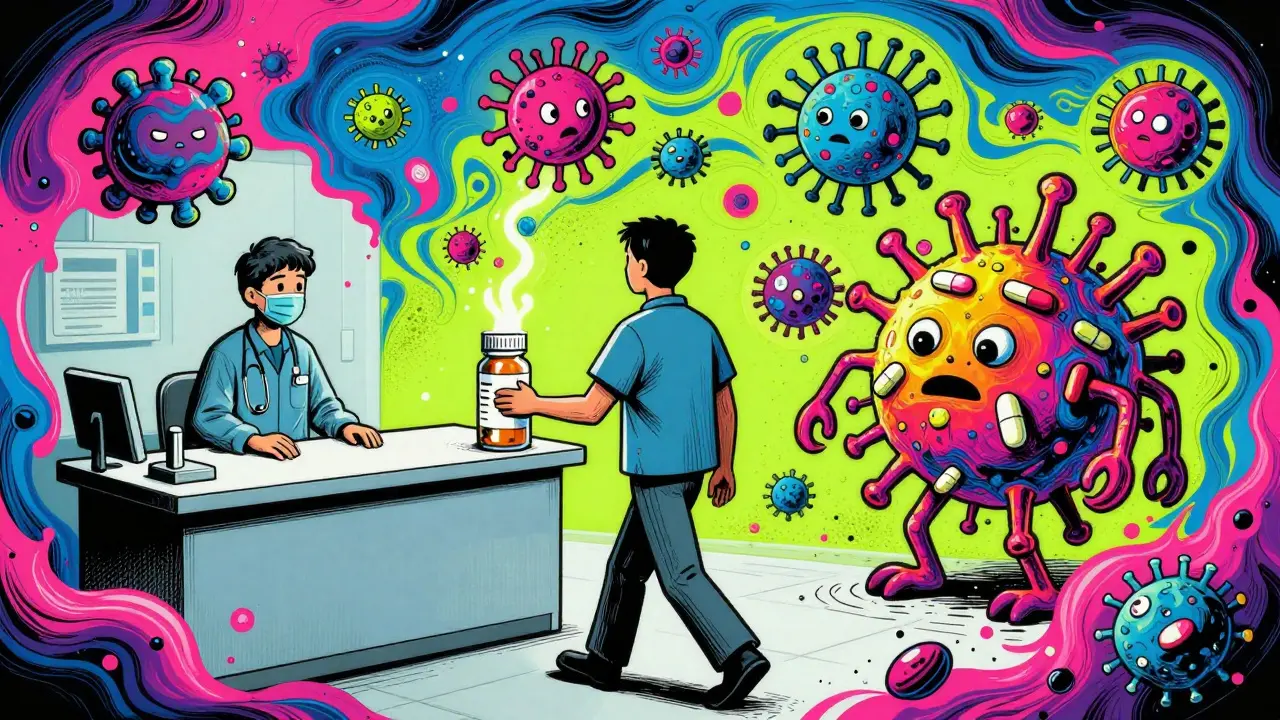
Imagine walking into a doctor's office for a simple sore throat, only to walk away with a prescription that might actually hurt you more than help. This scenario is becoming alarmingly common. One in six laboratory-confirmed bacterial infections worldwide was resistant to standard antibiotics by 2023. We are facing a silent pandemic where the drugs designed to save us are slowly losing their power. The primary driver isn't nature; it is human behavior. When we take antibiotics too often, or when they aren't needed, we force bacteria to evolve defenses that leave our medical toolbox empty.
The Reality of Antimicrobial Resistance
We need to talk honestly about Antibiotic Overuse. It is the fuel keeping the fire of resistance burning. The World Health Organization released data in late 2025 showing that resistance rates increased by an average of 5% to 15% annually between 2018 and 2023. This isn't just a future threat; it is happening now. The situation is so dire that experts warn deaths caused by antimicrobial resistance could surpass cancer by 2050 if trends continue.
Antimicrobial Resistance is the ability of bacteria to withstand the effects of antibiotics originally effective against them. Also known as AMR, it occurs when bacteria change over time to survive exposure to drugs meant to kill them. This biological adaptation happens constantly in nature, but human activity accelerates the process exponentially. Every time a bacterium survives a dose of medication due to incomplete treatment or unnecessary use, it multiplies and shares its survival genes. Soon, entire populations of bugs become immune.
| Bacterial Pathogen | Common Treatment | Resistance Rate Estimate |
|---|---|---|
| Escherichia coli | Third-generation cephalosporins | 42% |
| Staphylococcus aureus | Methicillin | 35% |
| Klebsiella pneumoniae | Carbapenems | Rising rapidly |
These numbers come directly from surveillance systems covering over 100 countries. The geographic spread is uneven, however. South-East Asian and Eastern Mediterranean regions report 1 in 3 infections being resistant. In the African Region, it is 1 in 5. If you have traveled recently or interacted with global healthcare systems, you understand how quickly germs cross borders. A resistant strain developed on one continent can reach another via international travel or trade within days.
The C. difficile Connection
There is another danger lurking behind the rise of resistance: Clostridioides difficile is a bacterium that causes severe diarrhea and colon inflammation. Usually called C. diff, it is an opportunistic infection. Your gut is home to trillions of beneficial bacteria, collectively known as gut flora. These microbes keep harmful ones like C. diff in check.
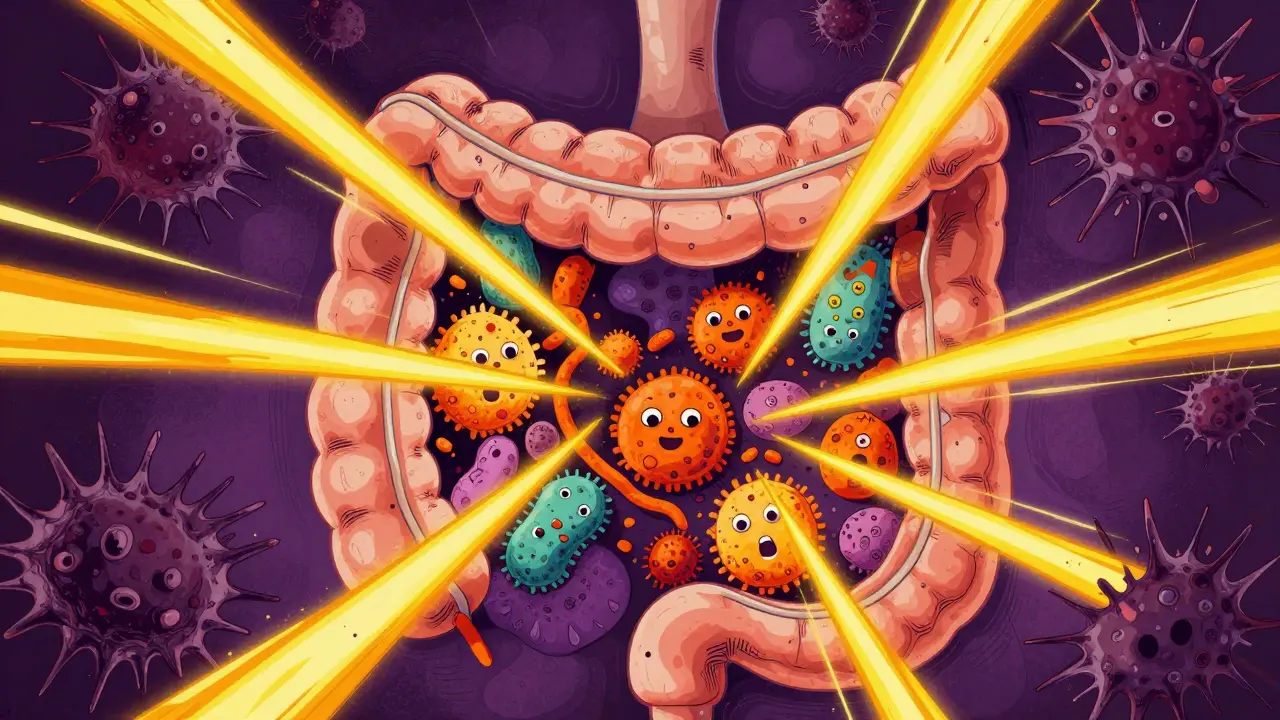
When you take antibiotics, you do not know which bacteria the drug targets. It is like using a bomb to kill a single mosquito in your house. You destroy the enemy, but you also blow up the furniture. Broad-spectrum antibiotics wipe out good bacteria alongside bad ones. Once the protective layer is gone, C. difficile spores already present in the environment multiply unchecked.
Hospital environments are hotspots for this. CDC data indicates that during the pandemic, hospital-onset infections increased significantly. While progress made between 2012 and 2019 was lost during the pandemic years, the trend remains upward. Patients recovering from minor infections often end up with life-threatening colitis because their protective flora was destroyed by necessary treatments. It creates a vicious cycle: you get sick, you take medicine, you get sicker with a different bug.
Why Overuse Persists
You might wonder why doctors still prescribe heavily if the risks are this high. The answer lies in pressure and uncertainty. Patients often expect a pill to fix everything immediately. Viral infections account for a massive percentage of visits, yet people frequently demand antibiotics. Doctors, fearing patient dissatisfaction or potential lawsuits, sometimes cave to the request. Without rapid diagnostic tools to confirm a bacterial infection within minutes, prescribing becomes a gamble.
In many lower-resource areas, the problem is worse. There may be no lab test available to determine if an infection is viral or bacterial. The default choice becomes antibiotics. The WHO noted in their 2025 analysis that health systems lacking diagnostic capacity see higher resistance rates because empirical treatment-guessing rather than testing-accelerates bacterial evolution. Even in well-funded systems, time pressures lead to quick prescriptions instead of "watchful waiting" strategies.
Animal agriculture plays a massive role too. Large portions of antibiotics produced globally are given to healthy livestock to promote growth or prevent disease in crowded conditions. This usage introduces resistant bacteria into the food chain. Meat products can carry these strains, transferring them to humans who eat undercooked food. It is a systemic issue that goes beyond individual choices at the pharmacy counter.
Economic and Personal Impact
This crisis costs us money, time, and lives. Experts project that resistant infections could cause $3 trillion in annual global GDP losses by 2030. This isn't abstract math; it means businesses close, wages stagnate, and healthcare budgets explode. For an individual, the cost is physical. Treatments become longer. You might spend weeks in the hospital instead of days. Drugs that used to work no longer do.
Patients face toxic last-resort options. Sometimes the only medicine left is intravenous carbapenems. These are powerful but can damage kidneys or cause seizures. Medical teams prefer simpler oral pills, but resistance forces their hand into more dangerous territory. Dr. Kelly Dooley from Vanderbilt University warns that clinicians often find themselves in a position where they have nothing effective to offer. This lack of backup plans makes routine surgeries risky. Cancer treatments and organ transplants rely on antibiotics to prevent infection during recovery. Without working antibiotics, modern medicine loses its foundation.
Solutions and Stewardship
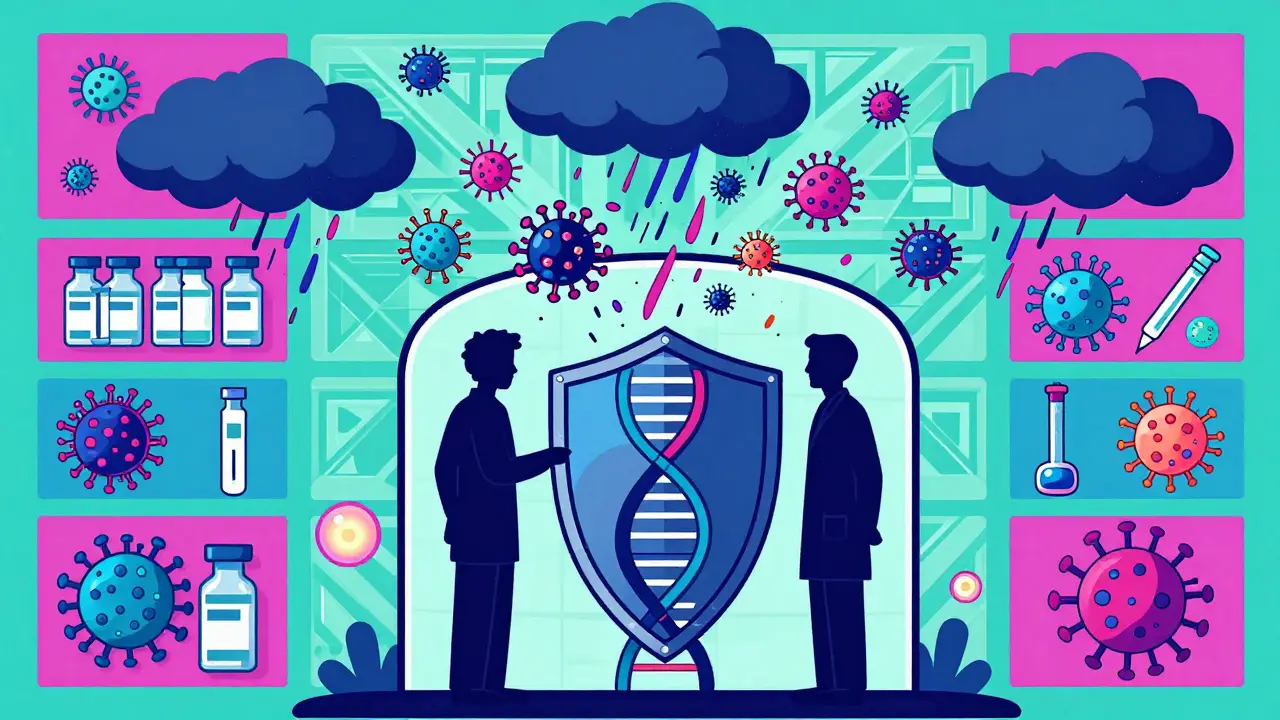
Can we turn the tide? Yes, but it requires coordinated effort. Antibiotic stewardship programs are key. These initiatives involve hospitals and clinics optimizing how medications are prescribed. Doctors follow strict guidelines to ensure every prescription is necessary. They might order a culture before writing a script, ensuring they target the specific bug found.
New technologies help here too. Rapid diagnostics can identify the exact pathogen within hours, allowing doctors to narrow the spectrum of the drug used. Instead of killing everything in sight, they target only the invader. CARB-X, a partnership launched in 2016, invests in developing new antibiotics and diagnostics. Despite funding over $480 million in projects, the pipeline remains thin compared to the scale of the threat.
Vaccination is another front line. Preventing infections reduces the need for antibiotics entirely. Immunization against flu, pneumonia, and other illnesses lowers the overall volume of antibiotic prescriptions. Public education matters most. Knowing when to say no to an antibiotic saves lives. If you have a viral cold, resting and staying hydrated is better for you and society than taking a drug that fuels resistance.
What are the signs that an infection is viral versus bacterial?
Viral infections often start with runny noses, congestion, or mild coughs that fade after 10 days. Bacterial infections usually have more localized symptoms like severe throat pain with white spots, high fever lasting more than three days, or urine that looks cloudy and smells strong. Blood tests and swabs provide certainty, while guessing relies on duration and severity.
How does C. diff affect the gut specifically?
C. diff produces toxins that attack the lining of the colon. After antibiotics wipe out protective bacteria, these spores grow rapidly. This leads to severe watery diarrhea, abdominal cramping, and in severe cases, pseudomembranous colitis. It spreads easily through touch because the spores resist alcohol-based sanitizers.
Is it safe to stop antibiotics early?
You should always complete the full course as prescribed. Stopping early allows surviving bacteria to recover and mutate stronger. However, newer research suggests some courses might be shorter than traditionally thought. Always discuss duration changes with your doctor, never decide on your own.
Can lifestyle changes reduce the risk of needing antibiotics?
Yes. Washing hands regularly, getting recommended vaccines, cooking meat thoroughly, and avoiding contact with sick individuals significantly lowers infection rates. A healthy diet supporting your immune system also helps your body fight off invaders naturally without drug assistance.
Are there alternatives to traditional antibiotics?
Researchers are exploring phage therapy, probiotics, and antivirals. Phages are viruses that infect specific bacteria without harming human cells. While not widely available yet, clinical trials show promise for resistant strains like MRSA. In the meantime, preventing infection remains the best alternative.
Taking Action Today
We cannot wait for the pharmaceutical industry to fix this alone. The timeline for new drug development is decades, while resistance develops in months. Every person holding a prescription has a vote. Asking, "Is an antibiotic really necessary?" shifts the conversation toward better care. Supporting local clinics that practice stewardship encourages safer habits. If you notice someone ignoring the link between misuse and C. diff or resistance, share the facts. Silence protects the status quo. Knowledge is the strongest medicine we have right now against superbugs.
Divine Manna
April 2, 2026 AT 00:57The nuance presented regarding stewardship programs is frequently misunderstood by those unfamiliar with clinical protocols. It is imperative that we acknowledge the systemic failures driving these resistance curves before assigning blame to individuals. Properly managed antibiotic distribution would drastically reduce the mutation rates observed in pathogen populations today. One cannot simply ignore the correlation between agricultural subsidy policies and the rise of resistant bacteria globally.
Vicki Marinker
April 2, 2026 AT 04:38I suppose we are supposed to feel grateful for this doom hanging over everyone's head.
Nothing changes regardless of what experts claim.
Sakshi Mahant
April 2, 2026 AT 05:57One must consider the cultural context of healthcare access in developing nations when discussing overuse. In many regions, medication is the first line of defense due to limited alternatives available locally. Community education remains the strongest tool we possess for long term change. We should respect the challenges faced by rural clinics trying to implement stricter guidelines.
HARSH GUSANI
April 3, 2026 AT 22:34USA fail hard 😡 They push drugs everywhere.
My country handle disease better 🇮🇳🤬
Rob Newton
April 5, 2026 AT 03:55Statistics are manipulated to scare patients into compliance.
The Charlotte Moms Blog
April 6, 2026 AT 13:06Dangerous thinking!!!
People ignore warning signs until it is too late!!
We need stricter regulations now!!!
Aysha Hind
April 7, 2026 AT 13:21The pharmaceutical giants operate with a shadow economy that profits from chronic illness while pretending to cure us. We see the same cycle repeated with every new generation of antibiotics becoming obsolete almost immediately after launch. It feels suspicious when the timeline for development matches the patent expiration schedules so perfectly. Big Pharma pushes broad spectrum drugs because they sell better rather than targeting specific bugs efficiently. Patients are treated as revenue streams instead of biological entities deserving genuine care. The narrative of responsibility is placed on individual choices while corporate overproduction goes unchecked globally. Governments subsidize livestock farming with massive antibiotic usage without public outcry or effective regulation. We are told to wait for resistance while they stockpile outdated medications for profit margins. Vaccines are pushed heavily only when they become profitable after extensive lobbying efforts in Washington DC. Local communities lack diagnostic tools because funding was diverted to marketing campaigns for expensive prescription drugs. Doctors prescribe under pressure because insurance companies dictate protocols designed to minimize costs not maximize health outcomes. We must recognize that this is not purely accidental evolution but a manufactured crisis benefiting the wealthy elite. Resistance rates climb because the system relies on us getting sick enough to buy more products every year. The real science involves prevention but that does not generate recurring quarterly earnings reports for shareholders. Ultimately the medical establishment requires our suffering to maintain its own economic relevance in society today.
Lawrence Rimmer
April 8, 2026 AT 18:29Existential dread permeates every aspect of modern medicine yet we continue prescribing blindly. The human condition dictates our survival instinct overrides long term consequences in most cases.
Perhaps the true infection lies within our collective psyche rather than bacterial strain variation.
Hudson Nascimento Santos
April 10, 2026 AT 06:43Nature abhors a vacuum much like biology abhors unchecked chemical interference. We must observe the subtle balance between intervention and preservation of natural flora. Historical precedents suggest technology solves symptoms but rarely the root cause.
Dipankar Das
April 10, 2026 AT 16:07Despite these challenges we must remain committed to evidence based interventions and global cooperation. The path forward requires disciplined adherence to scientific consensus and personal responsibility. Education empowers individuals to make informed decisions regarding their health treatment options.
sophia alex
April 11, 2026 AT 04:34This debate is utterly exhausting for people who actually understand medicine 🙂.
Why bother explaining things to the masses 💅?