
Medication Dizziness Risk Calculator
How This Calculator Works
This tool estimates your risk of dizziness based on the medications you're taking. It uses data from clinical studies to show which drug classes most commonly cause dizziness.
Note: This is for informational purposes only. Always discuss medication concerns with your doctor or pharmacist.
Select Your Medications
Feeling dizzy or lightheaded after taking a new pill? You’re not alone. About 1 in 5 adults experiences dizziness each year, and nearly a quarter of those cases are tied to medications. It’s not just a nuisance-it can lead to falls, injuries, and hospital visits, especially for older adults. The good news? Most of the time, it’s manageable once you know what’s causing it and what to do next.
How Medications Make You Feel Dizzy
Dizziness isn’t one thing. It can feel like the room is spinning (vertigo), like you’re about to pass out (lightheadedness), or just unsteady on your feet. Medications cause these feelings by messing with three key systems in your body: your inner ear, your blood pressure control, and your brain chemistry.Some drugs directly damage the tiny hair cells in your inner ear that help you balance. These are called ototoxic medications. Gentamicin, an antibiotic used for serious infections, can cause permanent balance problems in up to 40% of people who take it long-term. Cisplatin, a chemotherapy drug, is even worse-nearly half to two-thirds of patients end up with lasting vestibular damage.
Other drugs lower your blood pressure too much, especially when you stand up. This is called orthostatic hypotension. Blood pressure meds like diuretics (furosemide), ACE inhibitors (lisinopril), and beta-blockers (propranolol) are common culprits. When your blood pressure drops suddenly, not enough blood reaches your brain, and you feel faint.
Then there are the brain-altering drugs. Antidepressants, especially tricyclics like amitriptyline and SSRIs like fluoxetine, interfere with neurotransmitters that help regulate balance signals. Antiseizure drugs like carbamazepine and pregabalin are also high on the list. Even common stomach meds like omeprazole can cause dizziness in a small but significant number of users because millions take them daily.
Which Medications Are Most Likely to Cause Dizziness?
Not all drugs are equal when it comes to dizziness. Some are far more likely to cause trouble than others. Here’s what the data shows:
| Medication Class | Example Drug | Dizziness Rate |
|---|---|---|
| Antiepileptic | Carbamazepine | 29.7% |
| Antiepileptic | Pregabalin | 26.1% |
| Antidepressant (Tricyclic) | Amitriptyline | 28.4% |
| Antidepressant (SSRI) | Fluoxetine | 25.3% |
| Diuretic | Furosemide | 22.1% |
| Beta-blocker | Propranolol | 19.7% |
| ACE Inhibitor | Lisinopril | 14.2% |
| Aminoglycoside Antibiotic | Gentamicin | 17-40% |
| Proton Pump Inhibitor | Omeprazole | 5.2% |
Notice how tricyclic antidepressants cause more dizziness than SSRIs? Or how furosemide is worse than other diuretics? These differences matter because your doctor can often switch you to a similar drug with fewer side effects. For example, switching from propranolol to a different beta-blocker like carvedilol might reduce dizziness without losing the heart benefits.
Why Older Adults Are at Higher Risk
If you’re over 65, you’re more likely to feel dizzy from meds-and more likely to fall because of it. The CDC says 35% of older adults have at least one fall each year. And about one in three of those falls is linked to medications.
Why? As you age, your body processes drugs differently. Your liver and kidneys don’t clear medications as quickly. Your blood pressure control weakens. Your balance system slows down. Plus, older adults often take five or more medications at once. That’s called polypharmacy-and it triples your risk of dizziness compared to people taking just one drug.
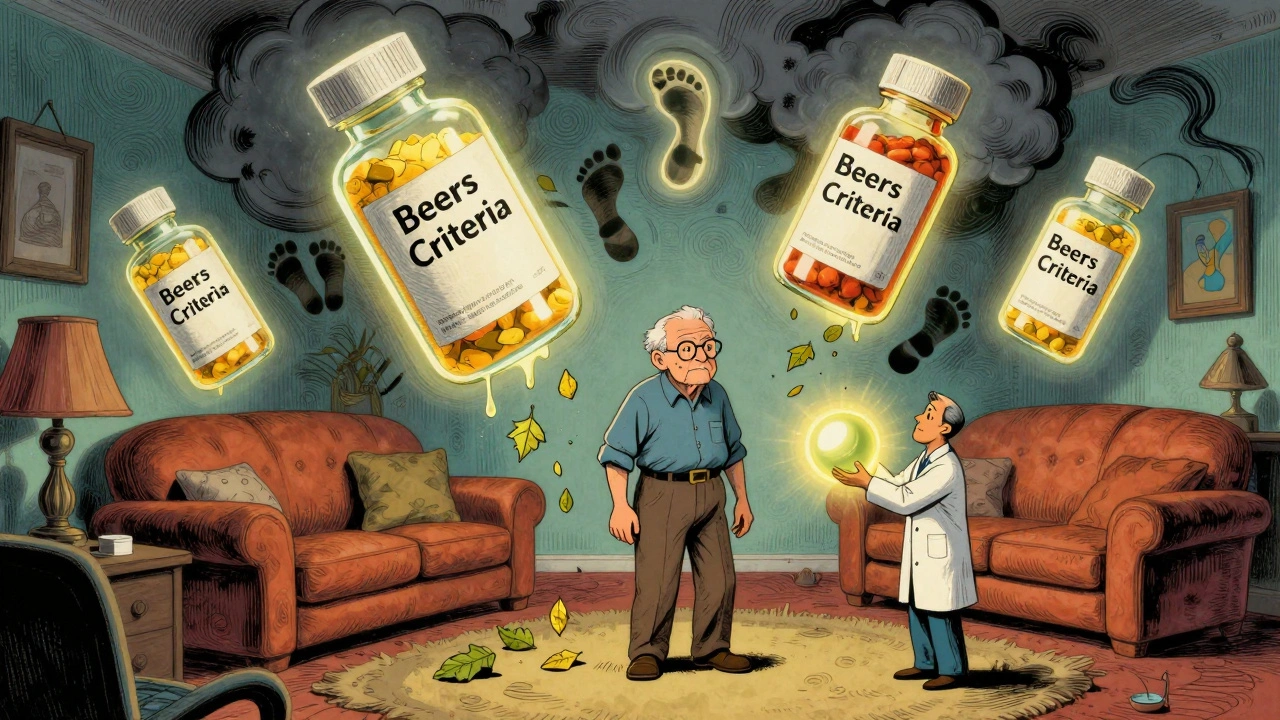
The American Geriatrics Society’s Beers Criteria (updated in 2024) lists 17 medications older adults should avoid or use with extreme caution because they cause dizziness and increase fall risk. These include benzodiazepines (like diazepam), first-gen antihistamines (like diphenhydramine), and muscle relaxants like cyclobenzaprine. Even common sleep aids and allergy pills can be dangerous if you’re older.
What to Do If You Feel Dizzy
Don’t ignore it. Don’t just tough it out. And definitely don’t stop your meds on your own-that can be worse than the dizziness.
Start by keeping a simple symptom diary. Write down:
- When you felt dizzy (right after taking a pill? 2 hours later?)
- How long it lasted
- What you were doing (standing up? walking? lying down?)
- Any other symptoms (ringing in ears? nausea? blurred vision?)
Most people who track their symptoms find a clear pattern. In fact, 68% of medication-related dizziness cases show a direct link to when the drug was taken.
Next, talk to your doctor. They’ll use a tool called the Naranjo Scale to figure out if your dizziness is likely caused by a drug. A score of 9 or higher means it’s “definitely” the medication.
How Doctors Manage It
There’s no one-size-fits-all fix, but here’s what usually works:
- Check if it’s the drug-Your doctor might suggest a short pause (4-6 weeks) under supervision to see if symptoms improve.
- Assess fall risk-They’ll use tools like the Hendrich II Fall Risk Model to see how likely you are to fall.
- Switch meds-If possible, they’ll pick a different drug in the same class that’s less likely to cause dizziness. For example, switching from amitriptyline to sertraline might help.
- Try vestibular rehab-This isn’t just balance exercises. It’s a specialized therapy with a physical therapist trained in inner ear disorders. Studies show it works for 70-80% of people with persistent dizziness. Most need 6-8 weekly sessions.
- Use non-drug tricks-For orthostatic dizziness, move slowly when standing, wear compression socks, and drink more water. One trial showed compression stockings cut symptoms by 45%.
And if you’re on chemotherapy or strong antibiotics? Your doctor should be monitoring your balance regularly. Permanent damage can happen without warning.
What You Should Never Do
Never stop a medication cold turkey-especially if it’s for seizures, high blood pressure, or mental health. Stopping antiseizure drugs suddenly can increase seizure risk by 300%. Stopping beta-blockers abruptly can cause dangerous spikes in heart rate and blood pressure.
Also, don’t assume dizziness is just “getting older.” It’s not normal. It’s a signal your body is reacting to something. And if you’re taking more than five medications, it’s worth having a full med review with your doctor or pharmacist.
What’s New in 2025
Science is catching up. In 2024, the American Heart Association updated its guidelines to define orthostatic hypotension more clearly: a drop of 20 mmHg in systolic or 10 mmHg in diastolic pressure within 3 minutes of standing, plus symptoms.
The International Headache Society now officially recognizes “medication-induced vestibular syndrome” as a distinct diagnosis. That means doctors can code it properly and track it better.
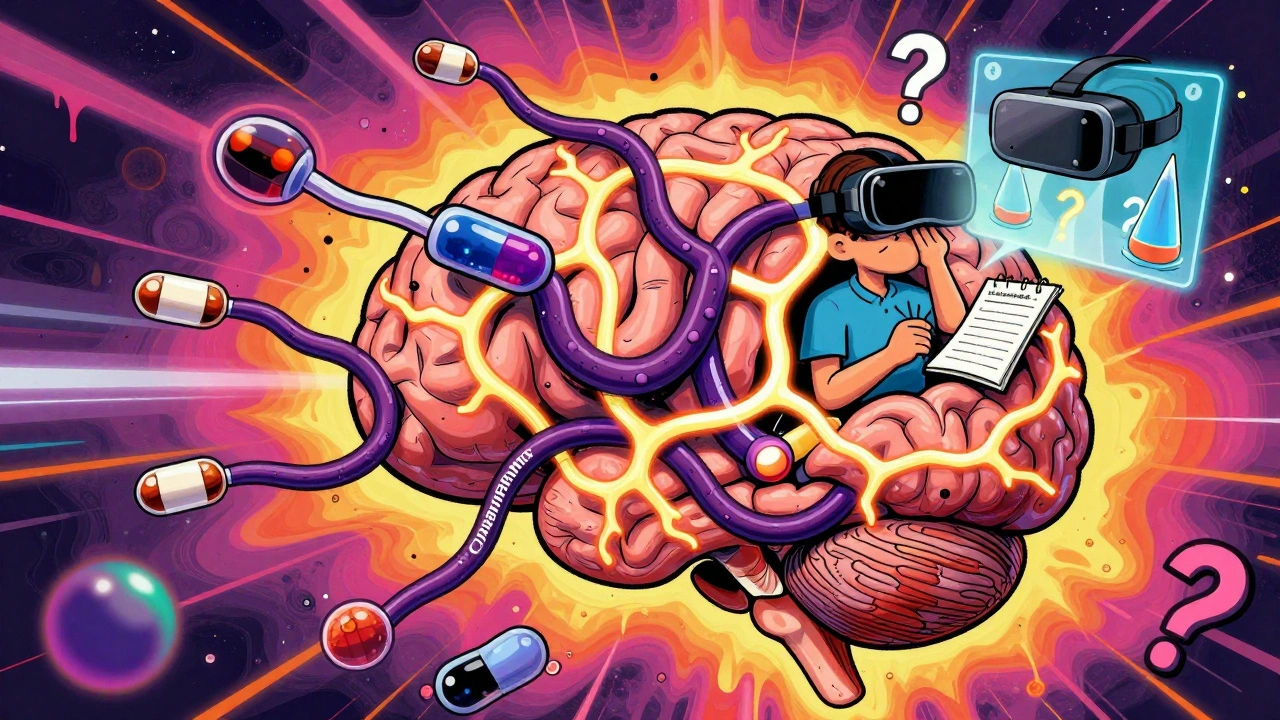
And the most exciting development? Virtual reality vestibular rehab. A 2023 trial found it improved symptoms in 82% of patients-better than traditional therapy in some cases. It’s not widely available yet, but it’s coming.
Long-term, researchers are looking at genetics. A 2023 study found 17 gene variants that make people more likely to get dizzy from blood pressure meds. In the future, a simple blood test might tell your doctor which drug is safest for you before you even start.
Bottom Line
Dizziness from medication is common, often preventable, and usually treatable. But it won’t go away if you ignore it or try to power through. Track your symptoms. Talk to your doctor. Don’t stop meds without help. And if dizziness sticks around, ask about vestibular rehab-it’s one of the most effective tools you have.
Medications save lives. But they can also make you feel unsteady. Knowing which ones are risky, how to spot the signs, and what to do next can keep you safe, steady, and in control.
Can over-the-counter meds cause dizziness?
Yes. Common OTC drugs like diphenhydramine (Benadryl), meclizine (Bonine), and even some sleep aids and cold medicines can cause dizziness, especially in older adults. These drugs often have anticholinergic effects, which slow down balance signals in the brain. Even though they’re available without a prescription, they’re not risk-free.
How long does medication-induced dizziness last?
It depends. For many, dizziness fades within days or weeks after stopping or adjusting the drug. But if the medication caused permanent damage to the inner ear-like with gentamicin or cisplatin-the dizziness can last for months or years. Vestibular rehab can help the brain adapt, even in these cases.
Is dizziness always a sign of something serious?
Not always, but it shouldn’t be ignored. Mild, short-lived dizziness after starting a new drug is common. But if it’s frequent, severe, accompanied by hearing loss, double vision, slurred speech, or weakness, it could signal something more serious like a stroke or neurological issue. Always get it checked.
Can I still drive if I feel dizzy from meds?
It depends on the severity and frequency. If you’ve had episodes where you felt faint or lost balance, driving is unsafe. Many states require doctors to report patients with recurrent dizziness if it affects their ability to operate a vehicle safely. When in doubt, avoid driving until your symptoms are under control.
Are there natural ways to reduce medication-induced dizziness?
Yes, but they’re supportive, not replacements for medical care. Stay hydrated, avoid alcohol and caffeine, get up slowly, and do balance exercises like standing on one foot (with support). Vestibular rehab is the most effective natural approach-it’s physical therapy, not a supplement. No herb or vitamin has been proven to reverse drug-induced vestibular damage.
What should I ask my doctor about my meds and dizziness?
Ask: ‘Could any of my medications be causing my dizziness?’ ‘Is there a lower-risk alternative?’ ‘Should I get checked for vestibular function?’ ‘Could this affect my risk of falling?’ And always ask: ‘What should I do if this gets worse?’ Don’t leave the appointment without clear next steps.
Next Steps If You’re Feeling Dizzy
Start today. Grab a notebook and write down your symptoms for the next week. Then schedule a time to talk to your doctor or pharmacist. Bring your full list of medications-including vitamins, supplements, and OTC drugs. Ask if any of them are on the Beers Criteria list for older adults.
If your dizziness is persistent, ask for a referral to a vestibular therapist. It’s not a luxury-it’s medical care that works. And if you’re on chemotherapy, antibiotics, or high-risk meds, make sure your provider is monitoring your balance, not just your bloodwork.
Dizziness doesn’t have to be a normal part of taking meds. With the right info and action, you can stay steady, safe, and in charge of your health.
sagar bhute
December 3, 2025 AT 18:50Stop pretending it's a medical mystery. It's corporate negligence wrapped in clinical jargon.
Kidar Saleh
December 5, 2025 AT 14:49Chloe Madison
December 6, 2025 AT 05:51Vincent Soldja
December 7, 2025 AT 11:00Makenzie Keely
December 7, 2025 AT 13:56Francine Phillips
December 7, 2025 AT 15:50Katherine Gianelli
December 7, 2025 AT 19:40Joykrishna Banerjee
December 9, 2025 AT 02:16parth pandya
December 10, 2025 AT 12:10Albert Essel
December 12, 2025 AT 01:35Charles Moore
December 13, 2025 AT 10:15Gavin Boyne
December 14, 2025 AT 20:25Rashi Taliyan
December 15, 2025 AT 21:49