
Have you ever wondered why some kidney conditions seem to sneak up on people while others are caught early? IgA Nephropathy is an autoimmune kidney disorder where immune complexes build up in the kidney filters, causing inflammation and damage over time. Also known as Berger's disease, this condition is the most common form of primary glomerulonephritis worldwide. If you or a loved one has received this diagnosis, the future can feel uncertain. You likely want to know how long your kidneys will last and what treatments are actually working right now. The landscape of kidney care has shifted dramatically in the last year, offering new hope where there was once only waiting.
What Exactly is IgA Nephropathy?
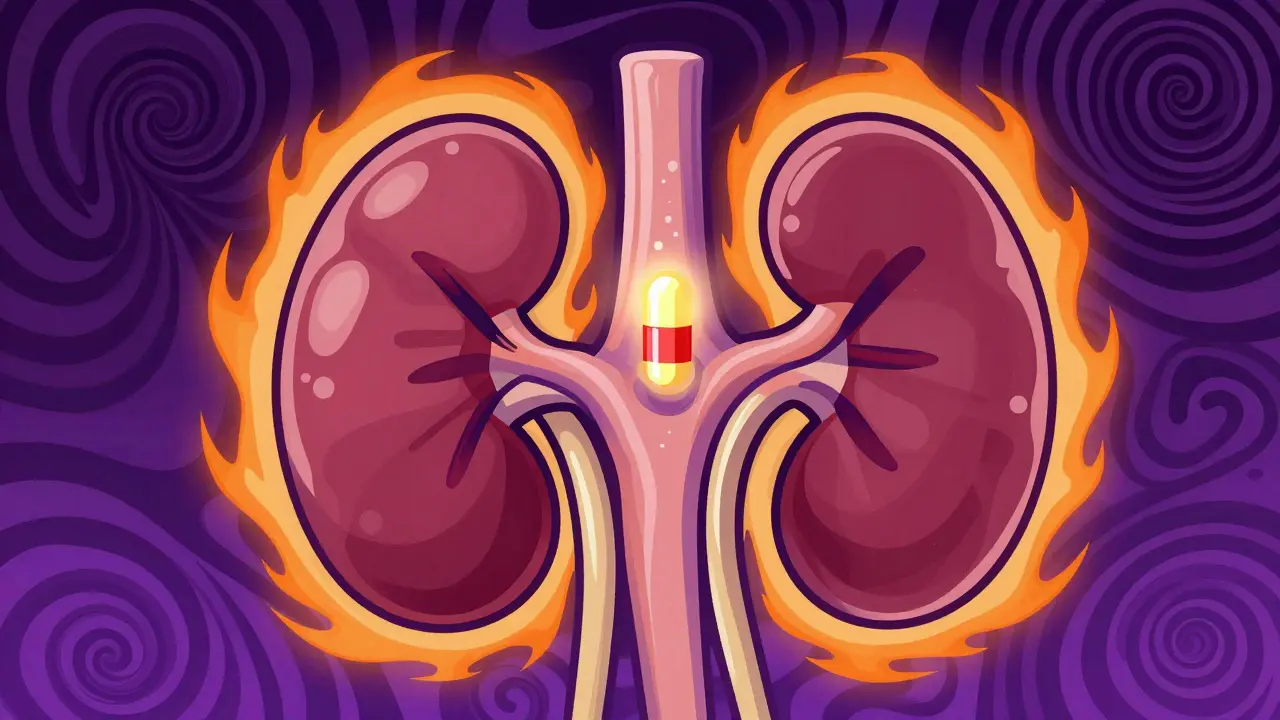
At its core, this disease involves your immune system making a mistake. Normally, your body produces antibodies called immunoglobulin A (IgA) to fight infections. In people with this condition, these antibodies form clumps, known as immune complexes, and get stuck in the tiny filtering units of the kidneys called glomeruli. Think of it like a coffee filter getting clogged with grounds; eventually, the filter can't do its job properly. This blockage leads to inflammation, which scars the tissue over time.
You might notice blood in your urine, often after a cold or sore throat. This is called macroscopic hematuria and is a classic sign. However, many people don't see blood with the naked eye. Instead, doctors find tiny amounts of blood or protein during routine blood tests. This is microscopic hematuria. About 30 to 40 percent of cases are found this way, completely by accident during a check-up. The disease often starts in adolescence or young adulthood, but it can appear at any age.
Understanding the Prognosis and Risk Factors
When doctors talk about prognosis, they are trying to predict the likely course of the disease. For IgA Nephropathy, this isn't a one-size-fits-all answer. Some people live with the condition for decades without major issues, while others see their kidney function decline more quickly. The big fear for most patients is progression to end-stage kidney disease (ESKD), which means needing dialysis or a transplant.
Recent data suggests that up to 50 percent of patients with persistent protein in their urine may face kidney failure within 10 to 20 years. Proteinuria is a key marker here. It refers to the amount of protein leaking into your urine. The more protein you lose, the harder your kidneys are working and the more damage occurs. Blood pressure control is another massive factor. High blood pressure puts extra strain on the delicate vessels inside the kidneys, speeding up the damage.
Doctors now use a specific calculator to assess risk. This tool looks at your protein levels, blood pressure, estimated glomerular filtration rate (eGFR), and sometimes the results from a kidney biopsy. The biopsy helps pathologists look at the tissue under a microscope using something called the Oxford Classification or MEST-C score. This score tells doctors how much scarring or cell activity is present. By combining these factors, your medical team can estimate your risk of losing kidney function and tailor your treatment plan accordingly.
The Shift in Treatment Guidelines
For years, the standard approach was to wait and see. Doctors would start with supportive care, like blood pressure medication, and wait three months to see if it worked before trying stronger drugs. This sequential method meant patients often spent months with active disease damage while waiting for the next step. The KDIGO 2025 guideline changed this game entirely.
KDIGO 2025 Guideline is a comprehensive clinical practice framework that recommends simultaneous initiation of supportive care and immunosuppressive therapy for high-risk patients. This document represents a major shift in how nephrologists manage the disease. Instead of waiting, the new recommendation is to start treatments together if you are at high risk. This means addressing the inflammation and the pressure on the kidneys at the same time.
The guideline identifies two main pathways for treatment. The first pathway targets the specific drivers of the disease, like stopping the production of the harmful IgA. The second pathway manages the generic response to kidney injury, such as reducing protein leakage and controlling blood pressure. By tackling both sides at once, doctors hope to preserve kidney function for longer periods. This approach acknowledges that waiting for supportive care to fail before acting might be too late for some patients.
Current Therapies and Medications
When we talk about treatment, we are looking at a mix of lifestyle changes, standard medications, and newer targeted drugs. Supportive care remains the foundation for everyone. This includes using Renin-Angiotensin System inhibitors (RASi) to lower blood pressure and reduce proteinuria. You might also hear about SGLT2 inhibitors, which were originally diabetes drugs but have proven very helpful for protecting kidneys in various conditions.
For those at higher risk, immunosuppressive therapy is now considered earlier. One of the most significant developments is a drug called Nefecon. Nefecon is a targeted-release formulation of budesonide designed to deliver medication directly to the kidneys while minimizing systemic side effects. It received FDA approval in late 2023 and is the first drug fully approved specifically for this condition. Unlike traditional steroids that affect the whole body, Nefecon aims to work right where the inflammation is happening.
Another option is Sparsentan, which belongs to a class called dual endothelin receptor antagonists (DEARA). This medication helps reduce proteinuria by targeting specific receptors in the kidney. It was approved by the European Medicines Agency in mid-2024 for high-risk patients. Traditional systemic glucocorticoids are still used, but doctors are more cautious now due to side effects like weight gain, high blood sugar, and infection risk. The goal is to find a balance between stopping the disease and keeping the patient safe from medication toxicity.
| Treatment Type | Mechanism of Action | Primary Goal | Key Consideration |
|---|---|---|---|
| RASi Medications | Blocks angiotensin II | Lower BP and Protein | First-line for all patients |
| Nefecon | Targeted steroid delivery | Reduce inflammation | Higher cost, fewer side effects |
| Sparsentan | Blocks endothelin receptors | Reduce proteinuria | Monitor for fluid retention |
| SGLT2 Inhibitors | Blocks glucose reabsorption | Protect kidney function | Originally for diabetes |
Regional Differences in Care
It is interesting to note that treatment isn't the same everywhere in the world. In Japan, doctors frequently recommend tonsillectomy, which is the removal of the tonsils. The theory is that the tonsils might be a source of the infection or immune trigger that causes the IgA buildup. Evidence for this is strong in Japanese populations, but less clear in Western countries. Similarly, in China, medications like mycophenolate mofetil and hydroxychloroquine are used more often. These drugs suppress the immune system but haven't shown the same level of consistent benefit in global trials as they have in Asian studies.
This variation creates a challenge for global guidelines. A treatment that works well in one region might not be supported by data in another. The KDIGO 2025 guideline acknowledges these differences and advises doctors to consider local evidence and patient access when making decisions. It highlights that what works for a patient in Tokyo might not be the best choice for someone in Portland or London.

Challenges Patients Face Today
Even with better guidelines, the road to treatment isn't smooth. One of the biggest hurdles is cost. Newer drugs like Nefecon can carry a high price tag, with annual costs reaching over $100,000 in the United States. Many patients report insurance denials or long waits for prior authorization. This financial burden can force people to choose older, cheaper treatments that might have more side effects.
Another challenge is the complexity of the regimen. Managing multiple medications with different dosing schedules can be overwhelming, especially for younger patients or those with other health conditions. Patients in support groups often mention the stress of monitoring side effects while trying to live a normal life. There is also the emotional toll of uncertainty. Knowing that kidney failure is a possibility in the future creates anxiety, even when you are following the treatment plan perfectly.
Access to care is another major issue. While 85 percent of patients in high-income countries receive appropriate care, that number drops significantly in low- and middle-income countries. This gap means that advances in medicine aren't reaching everyone who needs them. Global collaboration is essential to ensure that new therapies become available worldwide, not just in specialized centers.
What Does the Future Hold?
The field of kidney research is moving fast. There are currently 15 phase 3 clinical trials active for this condition. Scientists are working on biomarkers that could predict which drug will work best for a specific person. Right now, treatment is somewhat trial and error, but the goal is to move toward personalized medicine. Imagine being able to take a blood test that tells your doctor exactly which pathway is causing your inflammation, so you get the right drug immediately.
Studies like TARGET-IgAN are looking at how to use these biomarkers to guide therapy selection. These trials are expected to wrap up by 2027. Until then, doctors will continue to rely on clinical characteristics like protein levels and biopsy results. The long-term goal remains simple but ambitious: delay and prevent kidney failure across an entire lifetime while minimizing the burden of treatment.
Frequently Asked Questions
Is IgA Nephropathy curable?
Currently, there is no complete cure for IgA Nephropathy. However, with proper management and medication, many people can slow the progression significantly and maintain kidney function for decades.
What is the target for proteinuria?
The KDIGO 2025 guideline recommends a target of less than 0.5 grams of protein per day. This is stricter than previous recommendations to better protect kidney function long-term.
How often should I see my doctor?
During the first three months of treatment, monthly assessments are recommended to check protein levels and blood pressure. After that, quarterly visits are typical, though this may vary based on your specific case.
Does diet play a role in management?
Yes, a low-sodium diet is crucial for blood pressure control. Some doctors also recommend limiting protein intake to reduce the workload on the kidneys, but you should consult your nephrologist for specific advice.
Can I exercise with this condition?
Generally, yes. Regular moderate exercise helps control blood pressure and overall health. However, you should avoid contact sports that might cause kidney trauma and discuss any intense training with your doctor.
Living with a chronic kidney condition requires patience and a strong partnership with your healthcare team. The tools available today are better than ever, thanks to updated guidelines and new medications. By understanding your risk factors and staying engaged with your treatment plan, you can take an active role in protecting your kidney health for the future.
James Moreau
March 27, 2026 AT 01:23The breakdown of the new guidelines makes a lot of sense to me regarding treatment pathways. Knowing about the risk calculator helps a lot with understanding the prognosis. It is good to see that supportive care is still the foundation for everyone. The cost issue mentioned is definitely something that needs more attention. Hopefully insurance will catch up with these new approvals soon. The regional differences in care are also worth noting for anyone traveling. It is good to know that biopsy results are being used more carefully now. This information helps clarify the confusion around the different medication options available. I think the focus on proteinuria targets is a solid step forward for patient care. The timeline for the new trials ending by 2027 is something to keep in mind.
J. Murphy
March 27, 2026 AT 11:09stuff like this is usually overhyped by the big pharma companies pushing new drugs
Jesse Hall
March 29, 2026 AT 01:39Hey everyone I hope you all stay strong during this journey :) It is amazing how much science has improved in just the last year. Reading about the new trials gives me so much hope for the future. We really need to support each other through the tough times ahead. Keep checking in with your doctors and stay positive about the results. You are never alone in this fight against the disease. Sending good vibes to anyone reading this right now :) Stay healthy and keep fighting the good fight.
Donna Fogelsong
March 29, 2026 AT 04:05the big pharma industry wants you to believe these new drugs are miracles but look at the data deeper they are just trying to monetize your suffering while hiding the real causes like environmental toxins and genetic manipulation we need to wake up and realize the system is rigged against us
Sean Bechtelheimer
March 29, 2026 AT 21:11exactly what she said the government knows more than they let on about these treatments 🤫 they are testing us all without our consent and the side effects are being hidden in the fine print 😬 we need to demand transparency now
Seth Eugenne
March 30, 2026 AT 23:57The detailed breakdown helps so much to understand the options 🙏 Everyone deserves to feel heard and supported when navigating this diagnosis. It is important to remember that you are not defined by your kidney function alone. Keep advocating for yourself and your health needs with your team. You have got this and there are people here who care 💪🌟
rebecca klady
April 1, 2026 AT 07:53That is a really nice thing to say Jesse and I hope everyone feels that support. It is hard to stay positive sometimes but it helps to read things like this. Thanks for the encouragement.
Namrata Goyal
April 2, 2026 AT 00:43It is quite amusing how the masses accept these guidelines without questioning the underlying methodology of the clinical trials conducted in such a biased manner. One must understand that the pharma industry dictates the narrative surrounding these so-called breakthroughs in nephrology treatment protocols. The reliance on proteinuria as a primary marker is somewhat reductive and ignores the holistic nature of renal physiology in different ethnic populations. Furthermore the cost implications are staggering and essentially gatekeep access to life saving interventions for the less privileged sectors of society. We see this pattern repeatedly where Western medicine prioritizes profit margins over actual patient outcomes and long term sustainability of health. The KDIGO guidelines are merely a reflection of corporate interests rather than pure scientific inquiry into the etiology of the disease. Patients are often misled into thinking that newer drugs like Nefecon are panaceas when the data is far more nuanced and conditional. It is disheartening to observe the lack of critical thinking displayed by those who blindly follow these recommendations without independent verification. The regional differences mentioned are not just cultural but indicative of a fragmented global health infrastructure that fails the individual. We need more independent research that is not funded by the very companies selling the solutions to the problems they created. The focus on biopsy results is invasive and should not be the gold standard for every single case without exception. Many practitioners are simply following the script provided by the pharmaceutical representatives visiting their offices regularly. This creates a cycle of dependency on medication that could potentially be managable through lifestyle adjustments and dietary changes. The narrative of inevitable progression is a self fulfilling prophecy designed to keep patients compliant with expensive regimens. It is time for patients to educate themselves beyond the brochures provided by the clinic and seek out alternative perspectives. We must demand better transparency and accountability from the organizations claiming to guide our medical care forward.
Alex Arcilla
April 2, 2026 AT 06:18lol you sound like you read the wiki page for pharma conspiracies instead of actually talking to a doctor 😂 but i get it the prices are insane and nobody likes paying that much for a pill. maybe just stick to the diet stuff for now and save the cash for something else. dont let the big shots tell you what to do with your own body though. just saying.