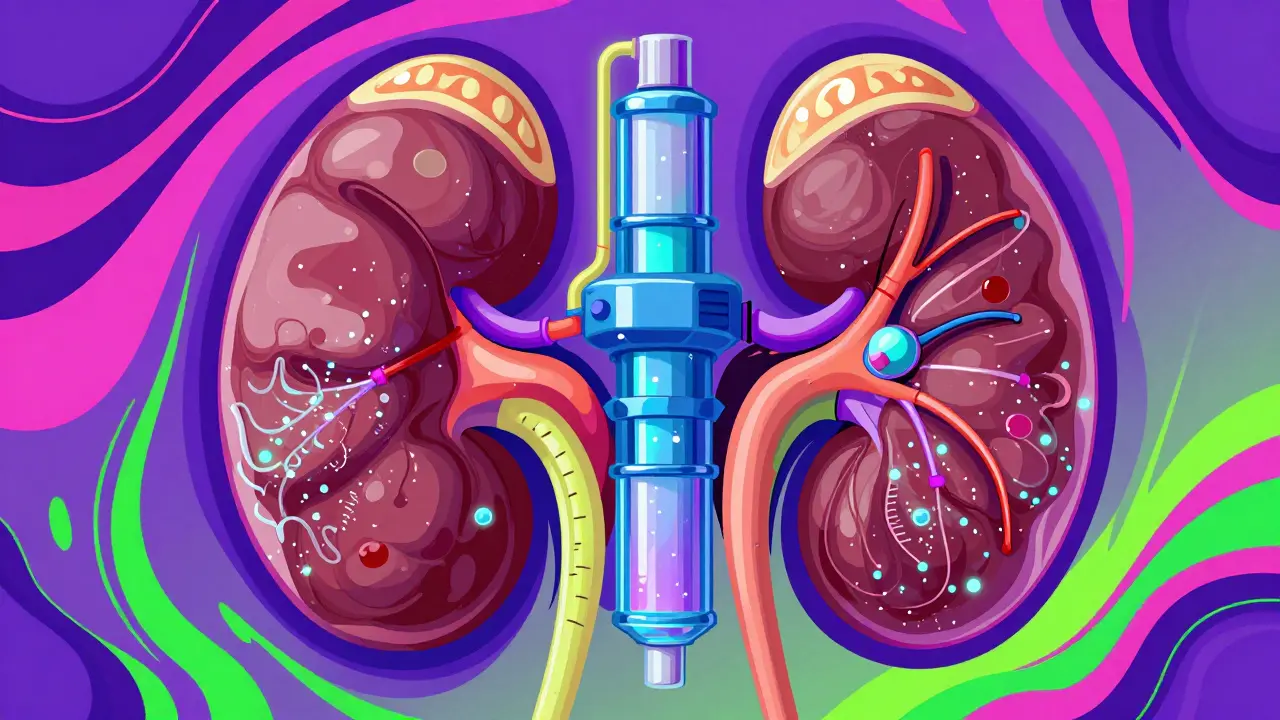
Imagine your kidneys as a high-tech filtration system that cleans your blood 24/7. When this system breaks down, waste and fluid build up in your body, leading to what doctors call end-stage renal disease (ESRD). This happens when your kidneys lose about 85-90% of their ability to filter. It is a scary prospect, but understanding why it happens is the first step toward stopping it. Most cases aren't random; they are usually the result of long-term damage from three main culprits: diabetes, high blood pressure, and immune system glitches.
The Heavy Toll of Diabetes on Your Kidneys
If you look at the data, diabetes is the undisputed leading cause of kidney failure globally. In the U.S., it accounts for roughly 44% of new ESRD cases. But how does high blood sugar actually destroy a kidney? It starts with a process called diabetic kidney disease (DKD).
When your blood sugar stays high, your kidneys actually overwork themselves at first-a state called hyperfiltration. Your glomerular filtration rate (GFR) can jump by 20-40%. While that sounds like a "super kidney," it's actually a recipe for disaster. This pressure damages the tiny filters (glomeruli), causing them to leak protein into your urine. Over time, the basement membranes of these filters thicken-stretching from a normal 300-400 nm to as much as 650 nm-making them less efficient.
The numbers are sobering: about 30% of people with type 1 diabetes and 40% of those with type 2 eventually develop this nephropathy. The real danger is that it's a silent thief; many type 2 patients already have protein in their urine by the time they are diagnosed with diabetes because the damage happened before they knew they were sick.
How Hypertension Quietly Crushes Renal Function
High blood pressure, or hypertension, is the second most common cause, responsible for about 28% of kidney failure cases. If diabetes is like a slow leak, hypertension is like putting too much pressure in a pipe until it bursts.
When your blood pressure consistently stays above 140/90 mmHg, the small arteries in your kidneys undergo a process called hyalinization. Essentially, the vessel walls thicken and harden, which reduces the blood flow to your kidney tissues by 15-25% over a few years. This lack of oxygen and nutrients leads to nephrosclerosis, where the filters simply scar over and die. In many patients, 25-40% of the total glomeruli can become completely sclerosed (scarred).
The most dangerous part is the synergy between these two. About 75% of people with diabetes also have hypertension. When you have both, your kidney function doesn't just decline-it accelerates. Research shows that people with both conditions lose kidney function nearly twice as fast (3.2 mL/min annually) as those who only have diabetes (1.8 mL/min).
| Cause | Primary Mechanism | ESRD Contribution (Approx.) | Typical Progression Speed |
|---|---|---|---|
| Diabetes | Hyperglycemia & Hyperfiltration | 44% | Moderate to Fast |
| Hypertension | Vascular damage & Ischemia | 28% | Slow to Moderate |
| Glomerulonephritis | Immune-mediated inflammation | 8% | Highly Variable |
Glomerulonephritis: When the Immune System Attacks
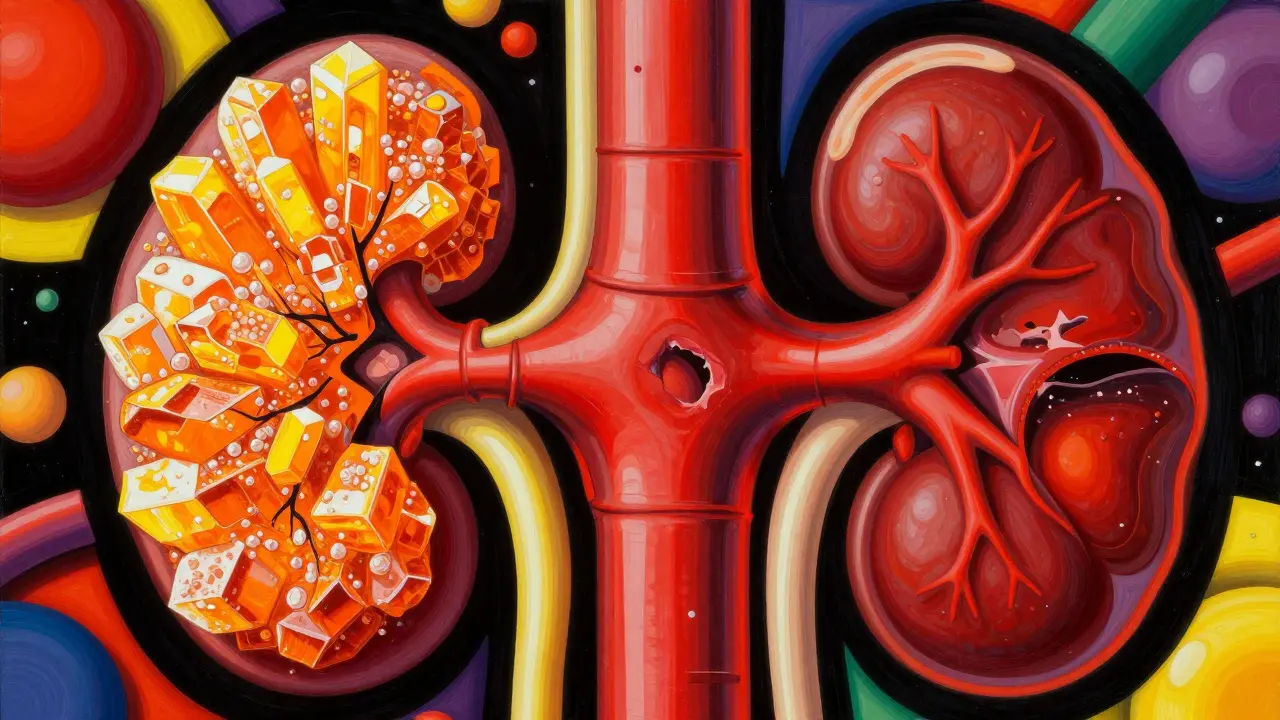
While less common than the "big two," glomerulonephritis is a complex group of diseases where your own immune system attacks the filters in your kidneys. Unlike diabetes or blood pressure, which are metabolic or vascular, this is an inflammatory war happening inside your renal cortex.
One of the most frequent versions is IgA nephropathy. This happens when an antibody called IgA builds up in the kidney's mesangium. It's particularly prevalent in Asian populations. For some, it's a mild annoyance, but for 20-40% of patients, it leads to complete kidney failure over 20 years.
Then there is lupus nephritis, which occurs in over half of the people with systemic lupus erythematosus. Depending on the severity (the "class" of the disease), up to 30% of these patients may face ESRD within a decade. The tragedy here is the diagnostic delay; many patients spend over a year seeing different doctors before they get a correct diagnosis because the symptoms are so vague.
Breaking the Cycle: Modern Treatment Strategies
The good news is that we aren't helpless. The goal now is "renoprotection"-slowing down the damage before it becomes irreversible. For those with diabetes, the game-changer has been SGLT2 inhibitors. These drugs don't just lower blood sugar; they actually reduce the pressure inside the kidney filters. Trials have shown they can cut the risk of ESRD by 32%.
For hypertension and general protein leakage, ACE inhibitors and ARBs remain the gold standard, slowing progression by 20-30%. The target is strict: keeping systolic blood pressure under 120 mmHg for high-risk patients can reduce the progression to failure by 27%. However, doctors have to be careful with the elderly to avoid "orthostatic hypotension"-that dizzy feeling you get when you stand up too fast.
Glomerulonephritis requires a different toolkit. Since it's an immune problem, immunosuppressants like rituximab are used. In high-risk IgA nephropathy cases, these can reduce the risk of kidney failure by nearly half compared to basic supportive care.
The Daily Reality of Living with Kidney Disease
It is easy to talk about GFR and albuminuria, but the human side is much heavier. People with diabetes-related kidney failure often struggle with crushing fatigue and constant anxiety over dialysis schedules. Those with hypertension often struggle more with medication adherence because high blood pressure doesn't "feel" like anything until the damage is already done.
Diet is another battleground. Trying to keep protein intake at 0.8 g/kg per day is incredibly difficult for most people. It requires a level of food tracking that feels like a full-time job. Yet, the reward for early intervention is huge. Many patients who start SGLT2 inhibitors shortly after detecting protein in their urine report that their kidney function actually stabilizes, buying them years of life without dialysis.
Can kidney failure be reversed?
Generally, once kidney tissue is scarred (sclerosis), it cannot be "undone." However, early-stage chronic kidney disease can be managed to the point where function stabilizes, preventing the need for dialysis. In cases of acute glomerulonephritis, aggressive immunosuppression can sometimes save the kidneys from progressing to total failure.
What is the earliest sign of kidney damage from diabetes?
The earliest sign is typically microalbuminuria-small amounts of protein leaking into the urine. This is often detected via a UACR (urine albumin-to-creatinine ratio) test. Because you can't "feel" protein in your urine, quarterly testing is recommended for diabetic patients to catch this before it progresses to macroalbuminuria.
Why is blood pressure control so critical for the kidneys?
The kidneys are made of tiny, delicate blood vessels. High pressure causes these vessels to thicken and harden (hyalinosis), which chokes off blood flow to the filters. Without enough blood and oxygen, the nephrons die and are replaced by scar tissue, leading to a steady drop in overall kidney function.
What is the difference between nephropathy and glomerulonephritis?
Nephropathy is a general term for kidney disease, often used for metabolic damage like diabetic nephropathy. Glomerulonephritis is a specific type of inflammation affecting the glomeruli (the filters), usually caused by an autoimmune response or an infection, rather than blood sugar or pressure.
Are there new medications for kidney failure beyond dialysis?
Yes. Finerenone, a non-steroidal mineralocorticoid receptor antagonist, has shown an 18% reduction in kidney failure risk for diabetic patients. Additionally, newer drugs like sparsentan are being used to target protein leakage in specific glomerular diseases more effectively than older medications.