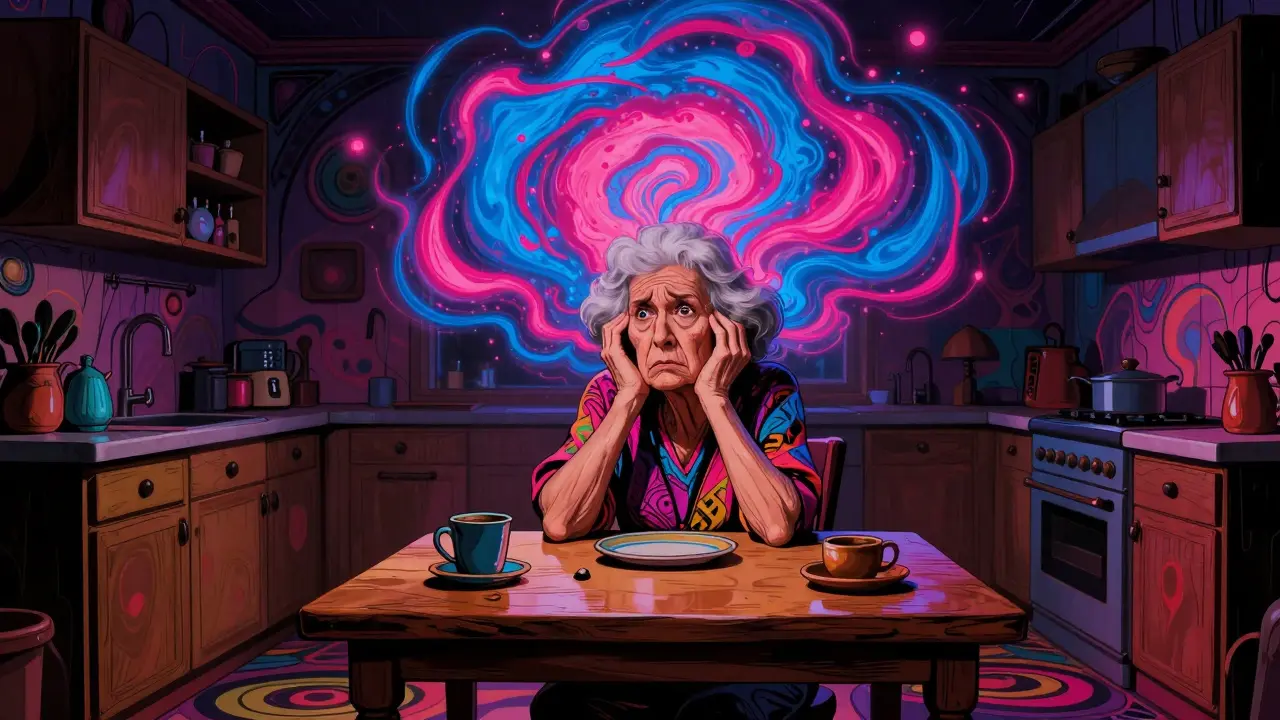
Imagine your grandmother wakes up one morning looking completely different. Yesterday she was sharp, joking around, and knew exactly what day it was. Today, she seems confused, restless, and doesn't recognize you. This sudden shift isn't just normal aging or a bad sleep night; it could be medication-induced delirium. It is a critical, often reversible condition that traps many seniors in hospitals unnecessarily. As families navigate complex care regimens, understanding this specific type of acute confusion becomes a matter of life and death.
Understanding Medication-Induced Delirium
Medication-Induced Delirium is an acute confusional state triggered specifically by drugs rather than other causes like infection or dehydration alone. While delirium was formally recognized as a distinct clinical entity in the Diagnostic and Statistical Manual of Mental Disorders (DSM) with the publication of DSM-III in 1980, its roots trace back centuries to Hippocrates. Unlike chronic conditions such as dementia, delirium develops rapidly over hours to days and fluctuates throughout the day. According to the American Geriatrics Society, approximately 20 percent of hospitalized patients older than 65 years experience this condition annually, making it a pervasive issue in modern healthcare.
The brain chemistry changes dramatically when certain medications interfere with neurotransmitters like acetylcholine. Patients with medication-induced delirium face mortality rates twice as high compared to similar patients without the condition. Beyond the immediate risk, recovery is often hampered; research indicates an average increase in hospital stay of eight days due to these symptoms alone. Long-term follow-ups show significantly worse physical and cognitive recovery at six and twelve months post-hospitalization. The urgency lies in recognition-since it is often misdiagnosed as psychiatric decline or worsening dementia, timely intervention can reverse the damage.
Key Warning Signs to Watch For
Catching delirium early saves lives, but it requires spotting subtle clues before they escalate into full-blown crises. The symptoms generally manifest in three primary subtypes, which sometimes overlap in what doctors call mixed presentations. Recognizing the specific behavior pattern helps distinguish delirium from other mental health issues.
- Hyperactive Delirium: This form looks obvious but often gets mistaken for 'acting out.' You might see restlessness, agitation, rapid speech, picking at clothes, or even hallucinations. These patients may try to pull out IV lines or wander out of rooms.
- Hypoactive Delirium: Far more dangerous because it is frequently overlooked. The patient appears lethargic, apathetic, and withdrawn. They might stare blankly, speak very little, or move unusually slowly. Studies suggest this represents 72% of medication-induced cases in older adults, yet staff often miss it entirely.
- Mixed Delirium: A combination of both hyperactive and hypoactive phases happening unpredictably within the same day.
Caregivers often report a "complete transformation from their normal self" within 48 hours of starting a new high-risk medication. If your loved one experiences sudden personality changes-like becoming aggressive when usually gentle-it warrants an immediate medication review.
High-Risk Medications and Culprits
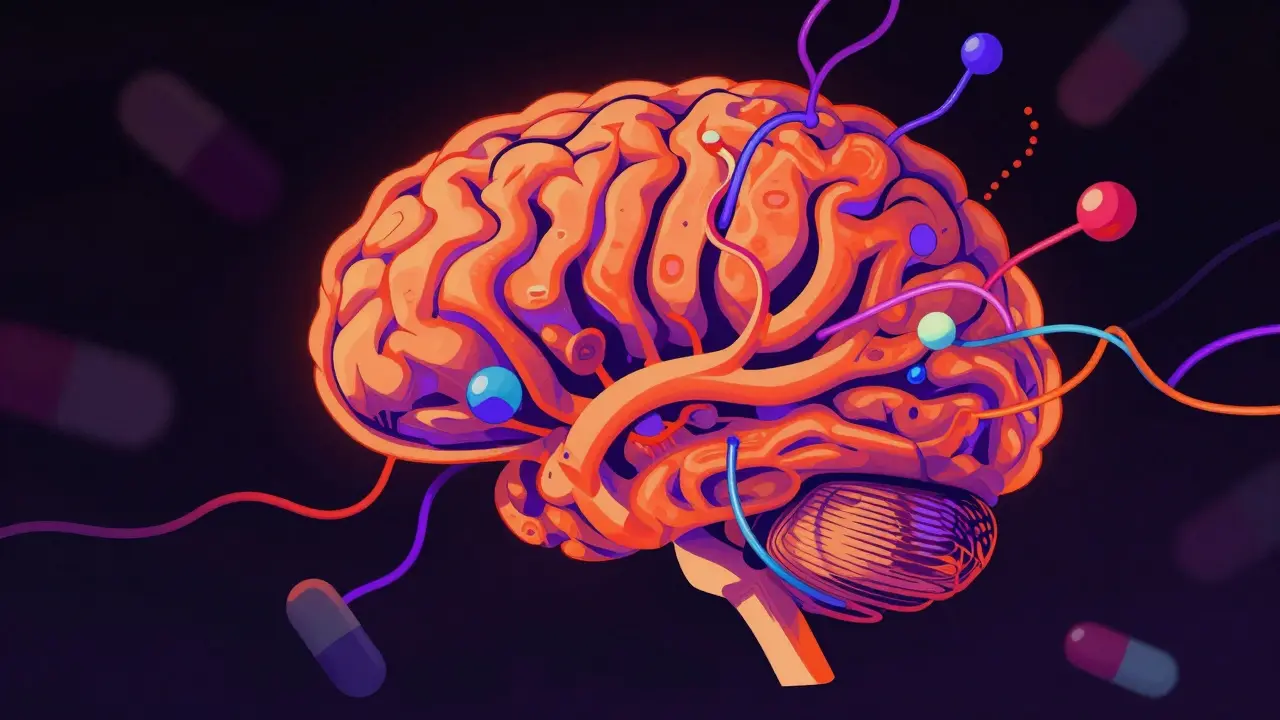
Not all pills carry the same danger, but certain classes pose significantly higher risks for confusion. The most prominent culprits disrupt acetylcholine transmission, a chemical essential for memory and attention.
| Drug Class | Risk Level | Common Examples | Safety Note |
|---|---|---|---|
| Anticholinergics | Very High | Diphenhydramine (Benadryl), Oxybutynin | Avoid if possible; increases severity scores significantly |
| Benzodiazepines | High | Lorazepam, Diazepam | Triple the odds of developing delirium in ICU settings |
| Opioids | Moderate to High | Meperidine (Demerol) | Specific metabolites like normeperidine excite the CNS |
| First-Gen Antihistamines | Moderate to High | Diphenhydramine, Chlorpheniramine | Greater risk than second-generation options like Loratadine |
Research by Han et al. (2001) demonstrated that use of medications with anticholinergic effects significantly predicts clinical severity of delirium symptoms in older medical inpatients. Patients receiving benzodiazepines before ICU admission are nearly three times more likely to develop delirium. The risk compounds quickly; those prescribed three or more medications with anticholinergic properties have a 4.7-fold increased risk of delirium compared to those taking none. Even common remedies, such as diphenhydramine for allergies, carry heavy burdens. Dr. Sharon Inouye of Yale School of Medicine emphasizes that avoiding these in patients with dementia is crucial.
Strategies for Prevention and Management
Since medication-induced delirium is uniquely preventable compared to other causes, a proactive approach works wonders. Prevention begins well before a crisis strikes, focusing on comprehensive medication management and environmental adjustments.
Start with a formal medication review using validated tools. The American Geriatrics Society Beers Criteria® lists 56 medications to avoid in older adults specifically due to high anticholinergic burden or sedative effects. Updated in 2023, this list includes newer additions like ciprofloxacin and quetiapine. Healthcare providers should utilize the STOPP/START criteria, a tool shown to reduce delirium incidence by 26%. This process involves identifying inappropriate medications and deprescribing them safely.
Hospitals often implement programs like the Hospital Elder Life Program (HELP), developed by Dr. Sharon Inouye. This initiative reduces delirium incidence by 40% through non-pharmacological interventions including hydration, orientation cues, and hearing aid assistance. However, the home environment matters equally. Tapering high-risk medications over 7-14 days prevents withdrawal delirium, particularly for benzos where abrupt cessation triggers severe symptoms.
Pain management requires careful balancing. While opioids are necessary, hydromorphone has shown lower delirium incidence compared to morphine at equivalent doses. Combining acetaminophen with non-pharmacological pain relief can reduce opioid requirements by 37%, directly lowering the risk window. Staff education is vital too; currently, only 35% of hospital staff correctly identify hypoactive delirium symptoms, leading to underdiagnosis.

Action Plan for Families
If you suspect medication issues are causing confusion, take specific steps immediately. First, do not stop medications abruptly on your own, as withdrawal can worsen the state. Instead, bring the entire bottle or a detailed list of all supplements and prescriptions to the doctor.
- Check for recent changes: Did a new drug start within the last week?
- Look for interactions: Are multiple drugs with similar side effects being used together?
- Monitor patterns: Does confusion get better or worse at certain times of the day?
- Consult the Beers Criteria: Ask the pharmacist if any current meds appear on this avoidance list.
- Advocate for alternatives: Ask for second-generation antihistamines instead of first-gen ones.
Families play a huge role. Caregiver reports frequently describe sudden personality changes, so your observation is data doctors rely on. Being prepared ensures faster diagnosis and quicker reversal of the toxic effects on the brain.
Frequently Asked Questions
Is medication-induced delirium permanent?
No, unlike dementia, delirium is typically temporary. Once the offending medication is stopped or adjusted, symptoms usually resolve. However, untreated episodes can lead to long-term cognitive deficits and slower functional recovery.
Can over-the-counter drugs cause delirium?
Absolutely. Common products like diphenhydramine (Benadryl) for allergies or insomnia contain strong anticholinergic properties that are major contributors to delirium in older adults.
How fast does medication delirium develop?
Onset varies by drug class. Benzodiazepines typically cause symptoms within 24 to 72 hours, while anticholinergics may take 3 to 7 days to reach peak effect after starting treatment.
What is the difference between dementia and delirium?
Dementia develops slowly over years and is generally progressive. Delirium happens suddenly (hours to days) and fluctuates during the day. While dementia patients can develop delirium, the two are distinct conditions requiring different treatments.
Which symptoms of delirium are most dangerous?
Hypoactive delirium is the most dangerous because it is often missed. The patient looks quiet or depressed, leading to delayed treatment. Untreated delirium drastically increases mortality rates and lengthens hospital stays.
Aaron Olney
March 29, 2026 AT 05:43My grandma started shaking her hands uncontrollably after taking that allergy med and the nurse just shruggled so reading this made me feel seen cause i thought she was just being diffcult then
It is scarry how fast things change when you are older and the chemicels get mixed up inside the brain tissure
Monique Ball
March 29, 2026 AT 18:48This information is absolutely crucial for every family member dealing with geriatric care right now!! You have to listen to your gut instincts if something feels off with their behavior patterns 😊👇 Doctors often miss the hypoactive signs completely because quiet patients don't scream for help like the hyperactive ones do!!! We really need to prioritize deprescribing high-risk medications before they cause permanent brain damage 🧠💔 Please share this with anyone who has elderly relatives so they know what to look for!!!
It changes everything when you understand the mechanism behind acetylcholine interference!
walker texaxsranger
March 31, 2026 AT 16:52pharma companies push these sedatives to keep elderly docile while insurance covers the bill nobody talks about the metabolic poisoning aspect
it is all about profit margins rather than patient safety outcomes
Jordan Marx
April 1, 2026 AT 16:25The pharmacokinetic dynamics of benzodiazepines in aged populations definitely correlate with increased neurotoxicity risk factors which warrants immediate clinical reassessment protocols 🤓 Acetylcholine receptor blockade is the primary pathway leading to acute confusion states we observe in ICU settings.
Jeannette Kwiatkowski Kwiatkowski
April 3, 2026 AT 07:38Most families simply lack the cognitive fortitude to challenge physician authority regarding polypharmacy protocols in acute care settings
It requires a certain level of intellectual engagement to question standard treatment plans without appearing combative to the staff
gina macabuhay
April 4, 2026 AT 09:31Exactly! Doctors are lazy and prescribe whatever is cheapest! They do not care about the long term cognitive degradation of the human population
The system is designed to ignore the suffering of the vulnerable until it is too late for meaningful intervention 🙄
Paul Vanderheiden
April 5, 2026 AT 22:09You got this keep advocating for your loved ones medication reviews save lives stay positive everyone
Small steps lead to big changes in health outcomes
Austin Oguche
April 7, 2026 AT 08:37Cultural context matters too in how elders view medication dependence and trust levels vary significantly across different demographics
Family involvement is key regardless of the setting
Sarah Klingenberg
April 7, 2026 AT 20:01Glad we see awareness rising :) thanks for sharing this info
Helps us talk to nurses better about side effects
Eva Maes
April 8, 2026 AT 16:09The statistical correlation between anticholinergic burden and cognitive decline is undeniable yet ignored by mainstream guidelines which leaves countless seniors at risk
We need systemic reform not just individual vigilance
Richard Kubíček
April 10, 2026 AT 13:12It is fascinating to consider how our societal approach to medication reflects a deeper failure to respect the autonomy of the aging body
We often medicate symptoms rather than understanding the root causes of distress
This creates a cycle where confusion becomes treated as pathology instead of a signal
True care involves listening to the silence of the hypoactive patient just as much as the noise of agitation
We must reframe delirium not as a malfunction but as a communication breakdown
The pharmaceutical industry benefits from quick fixes rather than holistic management strategies
Families become the unintended detectives in a medical system that lacks empathy
Every missed diagnosis represents a loss of dignity for the elderly person involved
Prevention is ethical care whereas cure is often just damage control
We have to value the slowness of recovery as part of the healing process
Rushing back to normalcy ignores the fragility inherent in biological systems
Medicine should serve the patient rather than the efficiency of the hospital schedule
Understanding neurotransmitters helps but wisdom comes from observing the whole person
Our collective future depends on how we treat those whose minds are fading
We must choose compassion over convenience when reviewing medication lists for our elders.
Monique Louise Hill
April 11, 2026 AT 00:23Stop blaming patients for medical incompetence!