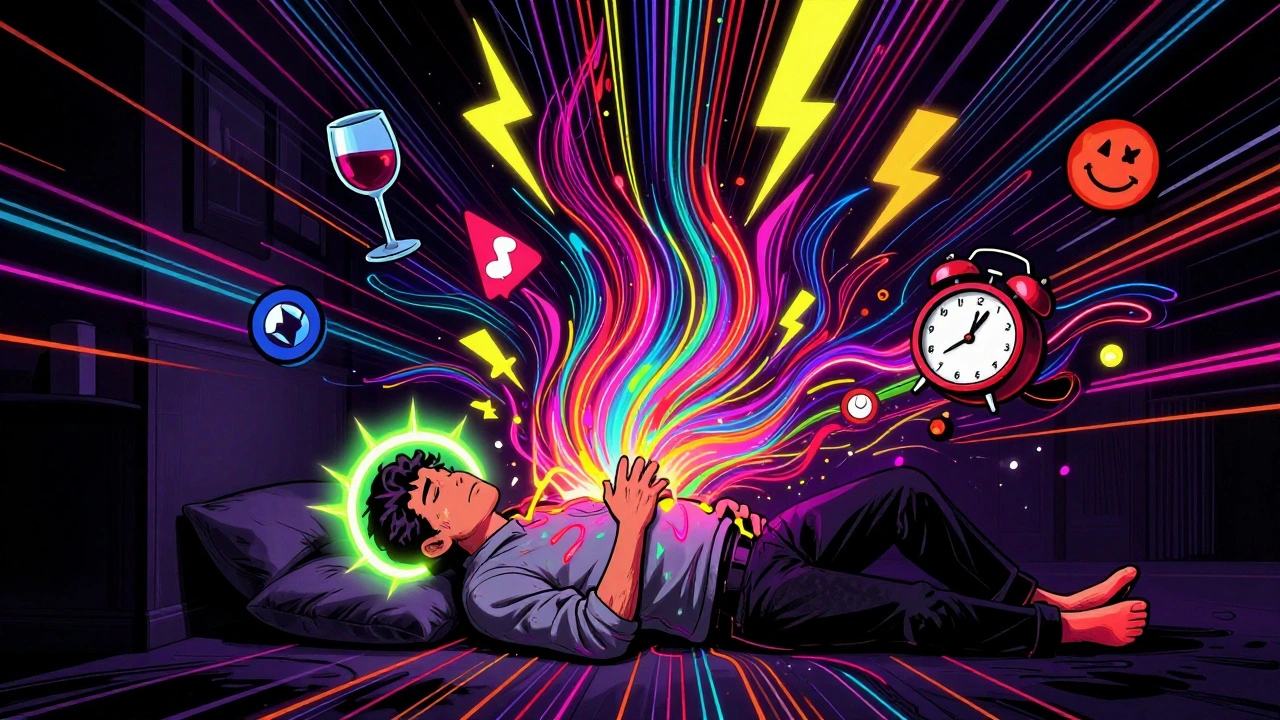
When a migraine hits, it’s not just a bad headache. It’s a full-body assault-throbbing pain, nausea, sensitivity to light and sound, sometimes even blurred vision or numbness. And for many people, it doesn’t come out of nowhere. It’s the result of a chain reaction triggered by things in your daily life: stress, sleep loss, a glass of wine, or even the weather changing. The good news? You can take control. Understanding what sets off your migraines, how to prevent them, and what actually works when one strikes can turn chaos into calm.
What Really Triggers Migraines?
Not everyone’s triggers are the same. One person might get a migraine after eating chocolate. Another might be fine with chocolate but crash after skipping breakfast. That’s because migraines aren’t caused by a single thing-they’re triggered by a combination of factors that push your brain past its threshold.Stress is the biggest trigger for most people. Studies show that between 50% and 80% of migraine sufferers link their attacks to stress. But here’s the twist: it’s often not the stress itself, but the letdown after it ends. You’ve been running nonstop at work, and as soon as you finally relax on Friday night-bam-migraine. That’s called a “let-down migraine,” and it’s super common.
Sleep is another major player. Too little? Too much? Irregular hours? All of them can set off an attack. Nearly half of all migraines happen between 4 a.m. and 9 a.m., which points to a strong link with your body’s internal clock. If you’re sleeping in on weekends or pulling all-nighters, your brain doesn’t know what to expect-and that confusion can trigger pain.
For women, hormones are a big factor. About 65% of female migraine sufferers report attacks tied to their menstrual cycle. Fluctuations in estrogen-before your period, during ovulation, or after giving birth-can lower your brain’s pain threshold. Pregnancy can make things better or worse, depending on the person.
Dietary triggers are tricky because they’re so personal. Common culprits include:
- Alcohol, especially red wine
- Caffeine (too much, too little, or sudden withdrawal)
- Processed meats with nitrates (hot dogs, bacon, deli meats)
- MSG (found in packaged soups, Asian food, snacks)
- Artificial sweeteners like aspartame
- Strong-smelling foods-garlic, onions, cheese
But here’s the catch: caffeine can also help. For some people, a cup of coffee at the first sign of a migraine stops it cold. That’s why some migraine meds include caffeine-it boosts the effect of painkillers.
Weather changes are another silent trigger. A drop in barometric pressure-like before a storm-can set off an attack. So can high humidity, extreme heat, or even flying in an airplane. Lightning storms? Yes, they’re linked to more migraines. If you notice your headaches line up with weather reports, keep track. It’s not coincidence.
Environmental triggers like bright lights, flickering screens, loud noises, or strong perfumes can push you over the edge. One trigger alone might not do it. But stress + lack of sleep + fluorescent lights? That’s the perfect storm.
How to Stop Migraines Before They Start
Prevention isn’t about avoiding everything. It’s about building stability. Your brain likes routine. When your sleep, meals, and stress levels stay predictable, your brain doesn’t have to work overtime to adjust-and that lowers your risk.Start with a headache diary. Write down:
- When the migraine started and how long it lasted
- What you ate or drank in the 24 hours before
- Your sleep hours and quality
- Stress levels (on a scale of 1-10)
- Weather conditions
- Any sensory triggers (bright lights, loud music, perfume)
After a few weeks, patterns emerge. Maybe every migraine happens after you skip lunch. Or after drinking wine on a Friday. Once you spot your triggers, you can start making small, realistic changes.
Some people benefit from behavioral strategies like cognitive behavioral therapy (CBT) or biofeedback. These help you manage stress and retrain how your body reacts to pain signals. Regular exercise-like walking, swimming, or yoga-also helps. It reduces stress, improves sleep, and releases natural pain-fighting chemicals.
When lifestyle changes aren’t enough, doctors may recommend preventive medications. These aren’t for every migraine attack-they’re taken daily to reduce how often and how badly you get migraines. Common options include:
- Beta-blockers like propranolol or timolol (originally for high blood pressure, but they calm overactive nerves)
- Anticonvulsants like topiramate or valproate (they stabilize electrical activity in the brain)
- Tricyclic antidepressants like amitriptyline (even if you’re not depressed, they help with nerve pain)
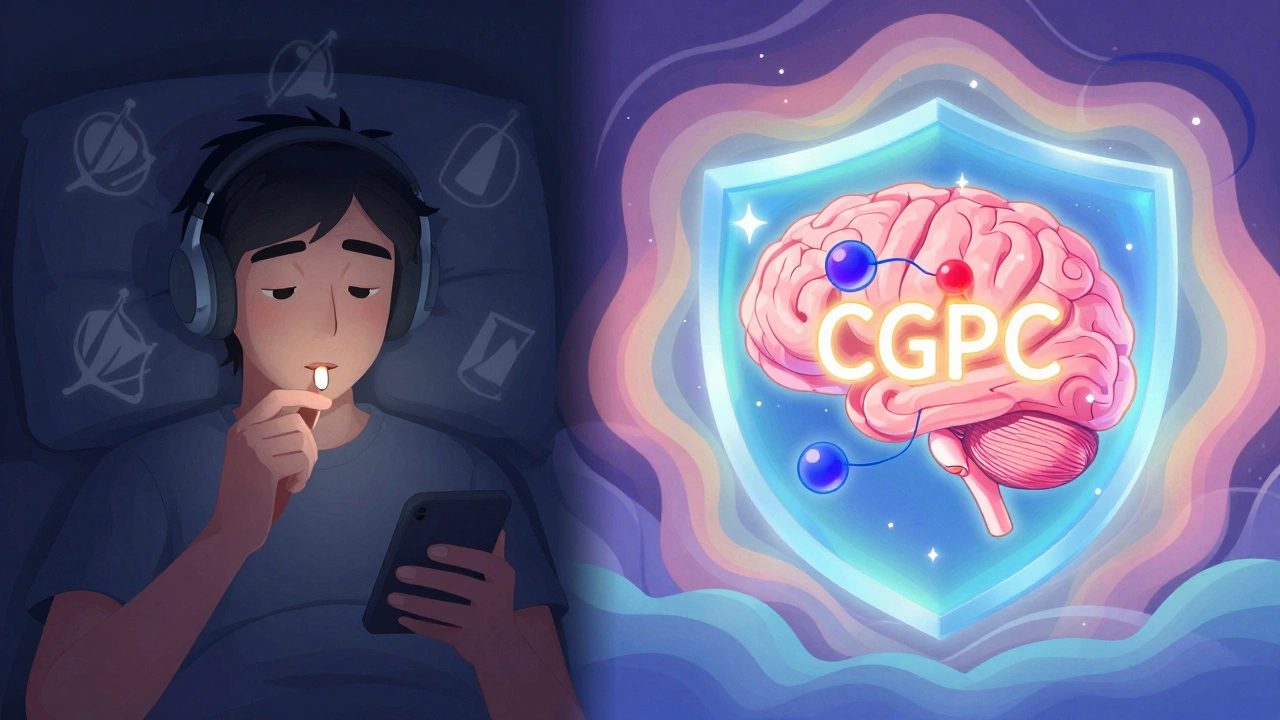
- CGRP inhibitors like erenumab or fremanezumab (newer drugs that block a protein linked to migraine pain)
These aren’t instant fixes. It can take 2-3 months to see results. Side effects vary-topiramate can cause brain fog, beta-blockers may make you tired-but for many, the reduction in attack frequency is worth it.
What to Do When a Migraine Hits
When the pain starts, time matters. The sooner you act, the better your chances of stopping it before it takes over.First, get away from triggers. Turn off the lights. Put on noise-canceling headphones. Step outside for fresh air if you can. Lie down in a quiet, dark room. Even if you’re not sleeping, resting your brain helps.
For mild to moderate attacks, over-the-counter pain relievers can work:
- NSAIDs like ibuprofen or naproxen
- Acetaminophen (Tylenol), especially if you can’t take NSAIDs
- Combination meds with caffeine and aspirin (like Excedrin Migraine)
For moderate to severe attacks, prescription meds are more effective:
- Triptans like sumatriptan or rizatriptan (they narrow blood vessels and block pain signals)
- Gepants like ubrogepant or rimegepant (newer drugs that block CGRP without narrowing blood vessels-safer for people with heart issues)
- Ditans like lasmiditan (target brain receptors without affecting blood vessels)
Triptans are the gold standard for many-but they’re not safe for everyone. If you have heart disease, high blood pressure, or a history of stroke, your doctor might avoid them. Gepants are a good alternative because they don’t affect blood vessels at all.
Some people find relief with anti-nausea meds like metoclopramide or prochlorperazine. These aren’t painkillers, but if you’re vomiting, you can’t keep anything down. Stopping nausea helps the pain meds work better.
Don’t wait until the pain is unbearable. Take your medication as soon as you feel the warning signs-aura, mood changes, or that first dull throb. Delaying makes it harder to control.
Why One-Size-Fits-All Doesn’t Work
You’ll read lists of “common migraine triggers,” and you might think, “I don’t have any of those.” That’s normal. Your triggers are yours alone. One study found that only 10% of migraine sufferers share the exact same triggers. That’s why tracking your own pattern is the most powerful tool you have.Some people never get migraines from food. Others can drink wine every night and never have an issue. One person might be fine with fluorescent lights. Another can’t walk into a grocery store without getting a headache. Your brain’s sensitivity changes over time-during your period, after a bad night’s sleep, or when you’re sick.
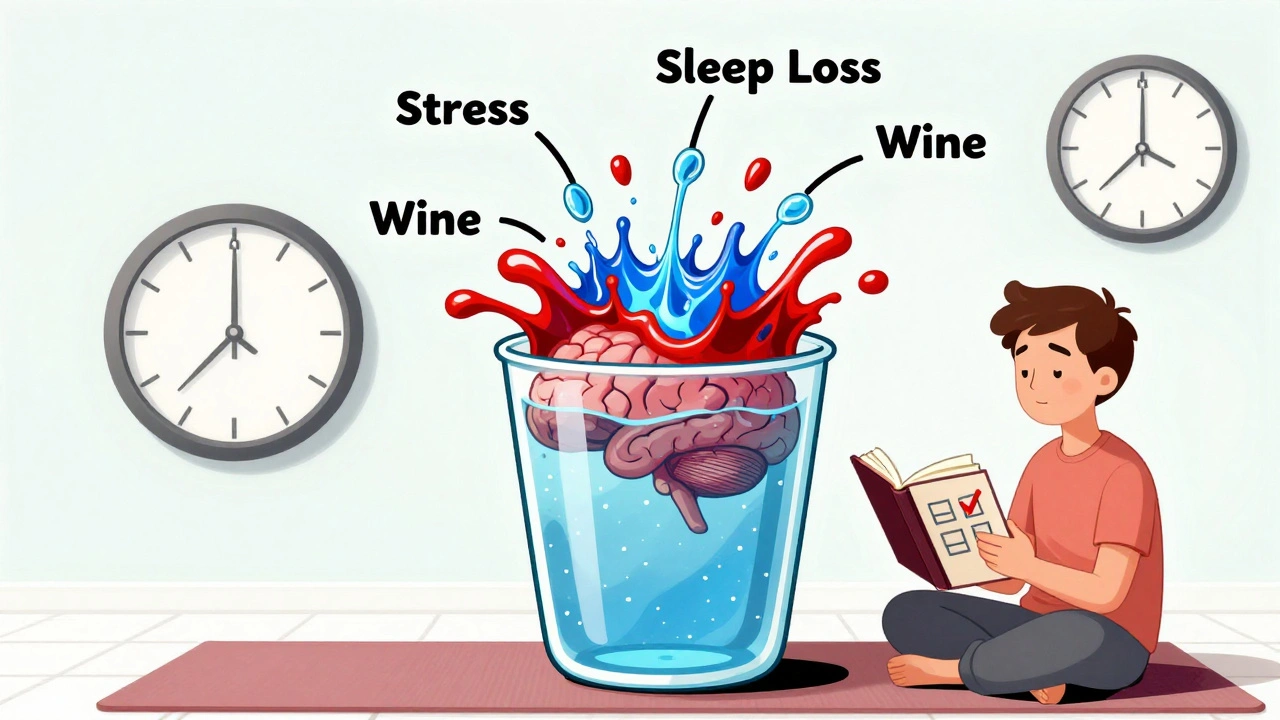
That’s why the threshold theory matters. Think of your brain like a cup. Every trigger adds water: stress, sleep loss, weather, food. When the cup overflows, the migraine hits. Some days, your cup is almost full from stress and lack of sleep. A single glass of wine pushes it over. Other days, you slept well, ate right, and stayed calm. Even if you drink wine, the cup doesn’t overflow.
Knowing this helps you make smarter choices. You don’t have to eliminate everything. Just avoid stacking triggers. Skip the wine if you’re already stressed and tired. Don’t go to a loud concert after pulling an all-nighter. Be gentle with your brain.
When to See a Doctor
You don’t need to suffer in silence. If you’re having more than four migraine days a month, or if your attacks are getting worse, it’s time to talk to a neurologist or headache specialist. They can help you figure out if preventive meds are right for you, adjust your acute treatments, or rule out other conditions.Also, see a doctor if you notice new symptoms:
- Sudden, severe headache (like a “thunderclap”)
- Headache with fever, stiff neck, confusion, or weakness
- Headache after a head injury
- Changes in vision, speech, or movement that last longer than an hour
These aren’t typical migraine symptoms. They could signal something more serious-and need urgent attention.
Final Thoughts: It’s Not About Perfection
Managing migraines isn’t about being perfect. It’s about progress. Some days you’ll nail it-good sleep, no stress, no triggers. Other days, you’ll eat the cheese, stay up late, and still get a migraine. That’s okay. What matters is that you’re learning. You’re tracking. You’re adjusting. You’re not letting migraines run your life.Start small. Pick one trigger to work on this week-maybe sleep consistency or cutting out artificial sweeteners. Track your progress. Celebrate the days you feel better. Over time, those small wins add up. You’ll start noticing fewer attacks, less pain, and more control.
Migraines are complex, but they’re manageable. With the right tools, you don’t just survive them-you reclaim your days.
Can caffeine help or hurt migraines?
Caffeine can do both. For some people, it triggers migraines-especially if they drink it inconsistently or suddenly stop. For others, a cup of coffee at the first sign of pain can stop the attack. That’s why some migraine medications include caffeine-it helps painkillers work faster and stronger. The key is consistency. If you use caffeine to treat migraines, try to have it at the same time and amount each day to avoid withdrawal headaches.
Are preventive migraine meds right for everyone?
No. Preventive meds are usually recommended if you have four or more migraine days a month, or if your attacks are severe and don’t respond well to acute treatments. They’re not for occasional headaches. These medications take weeks to work and can have side effects like fatigue, weight changes, or brain fog. But for many people, reducing attacks from 10 days a month to 2 or 3 is life-changing. Talk to your doctor about your frequency, severity, and medical history to decide if prevention is right for you.
Can I outgrow migraines?
Many people do. Migraines often peak in your 30s and 40s, then gradually improve with age. Hormonal changes, especially after menopause, can reduce frequency in women. Some people find their attacks become milder or less frequent over time. But not everyone. For others, migraines persist. Even if you don’t outgrow them, you can learn to manage them better with triggers, lifestyle, and treatment.
Do I need to avoid all trigger foods forever?
No. You don’t need to eliminate every possible trigger forever. The goal is to identify your personal triggers and avoid the ones that consistently cause problems. For example, if you eat chocolate every weekend and never get a migraine, keep eating it. But if you notice a pattern-chocolate on a stressful day always leads to pain-then avoid it on high-stress days. Flexibility and awareness are better than rigid diets.
What’s the difference between a migraine and a regular headache?
A regular tension headache feels like a tight band around your head, usually mild to moderate, and doesn’t come with nausea, light sensitivity, or aura. A migraine is a neurological event. It’s often one-sided, throbbing, and severe enough to disrupt your day. Many people feel nauseous, throw up, or can’t stand light or sound. Some get visual disturbances (aura) before the pain starts. Migraines can last hours to days. Tension headaches rarely do.
If you’ve been living with migraines, know this: you’re not alone, and you’re not powerless. With the right approach, you can reduce the frequency, lessen the pain, and take back control of your days.
Jessica Baydowicz
December 4, 2025 AT 03:12Okay but can we talk about how red wine is basically the devil for migraines? I used to drink it every Friday like it was a ritual, then one night I woke up screaming in the dark like a horror movie character. Now I just sip sparkling water with lime and feel like a zen master. 🍋
val kendra
December 4, 2025 AT 07:56Stress letdown is real. I used to think I was just lazy on weekends until I started tracking. Work chaos all week, crash at 8pm Friday. No wine, no cheese, no late nights-just pure exhaustion triggering the pain. Now I force myself to nap at 5pm. Game changer.
Joe Lam
December 5, 2025 AT 10:27Wow. Another amateur listicle pretending to be medical advice. Did you cite any peer-reviewed studies? Or just copy-paste from WebMD? CGRP inhibitors are not 'new'-they've been FDA-approved since 2018. And calling caffeine a 'trigger' without mentioning adenosine receptor antagonism? Pathetic.
Scott van Haastrecht
December 6, 2025 AT 09:02Of course you're telling people to 'track their triggers' like it's a self-help podcast. You don't get it. This isn't about 'cups' or 'patterns.' It's about your brain being a broken circuit board that your lazy lifestyle didn't fix. You think skipping breakfast causes migraines? No. Your entire existence is the trigger.
Bill Wolfe
December 7, 2025 AT 12:12Let me just say this with the gravitas of a neurologist who’s seen 400+ cases: if you’re still using Excedrin Migraine in 2024, you’re not managing your condition-you’re performing a ritual of denial. 😔 You need to stop treating symptoms and start treating the root cause. That means: sleep hygiene, circadian alignment, and yes-maybe even therapy. Not just ‘avoid cheese.’ I mean… really? 🧀
Dematteo Lasonya
December 9, 2025 AT 01:39I’ve had migraines for 12 years and this is the first time I’ve read something that didn’t make me feel guilty. Thank you for saying it’s okay to have bad days. I stopped judging myself when I realized my cup was overflowing before I even had coffee.
Rudy Van den Boogaert
December 9, 2025 AT 02:30Biggest thing for me? Consistent sleep. I used to think I was a night owl, but turns out my brain just hated chaos. Now I go to bed at 11:30 no matter what. Even on weekends. Even when I’m wired. It’s boring, but it works.
Gillian Watson
December 9, 2025 AT 20:57Weather triggers are wild. I live in London and every time it rains, I’m out cold. No joke. I keep a barometer app now. If pressure drops below 1010, I take my triptan early. Works like magic. ☔
Gareth Storer
December 9, 2025 AT 21:42So you’re telling me I’m not allowed to enjoy a glass of wine because my brain is too fragile? That’s not medicine, that’s parenting. Maybe the problem isn’t the trigger-it’s the person who thinks they need to be protected from life.
Martyn Stuart
December 11, 2025 AT 12:37Important note: Gepants are not just 'safer'-they’re revolutionary. Unlike triptans, they don’t cause vasoconstriction, which means they’re safe for patients with cardiovascular risk factors, hypertension, or even a history of stroke. And they work within two hours. Why aren’t more people talking about this? The medical community is still stuck in the 90s.
Isabelle Bujold
December 13, 2025 AT 04:02I used to think migraines were just 'bad headaches' until I had one after my dog died. I didn't eat anything weird, didn't sleep poorly, didn't drink alcohol. Just grief. And it hit like a freight train. That’s when I realized migraines aren't about triggers-they're about your nervous system screaming when your soul is broken. So yeah, track your cheese. But also, be kind to yourself. Your brain is carrying so much more than you realize.