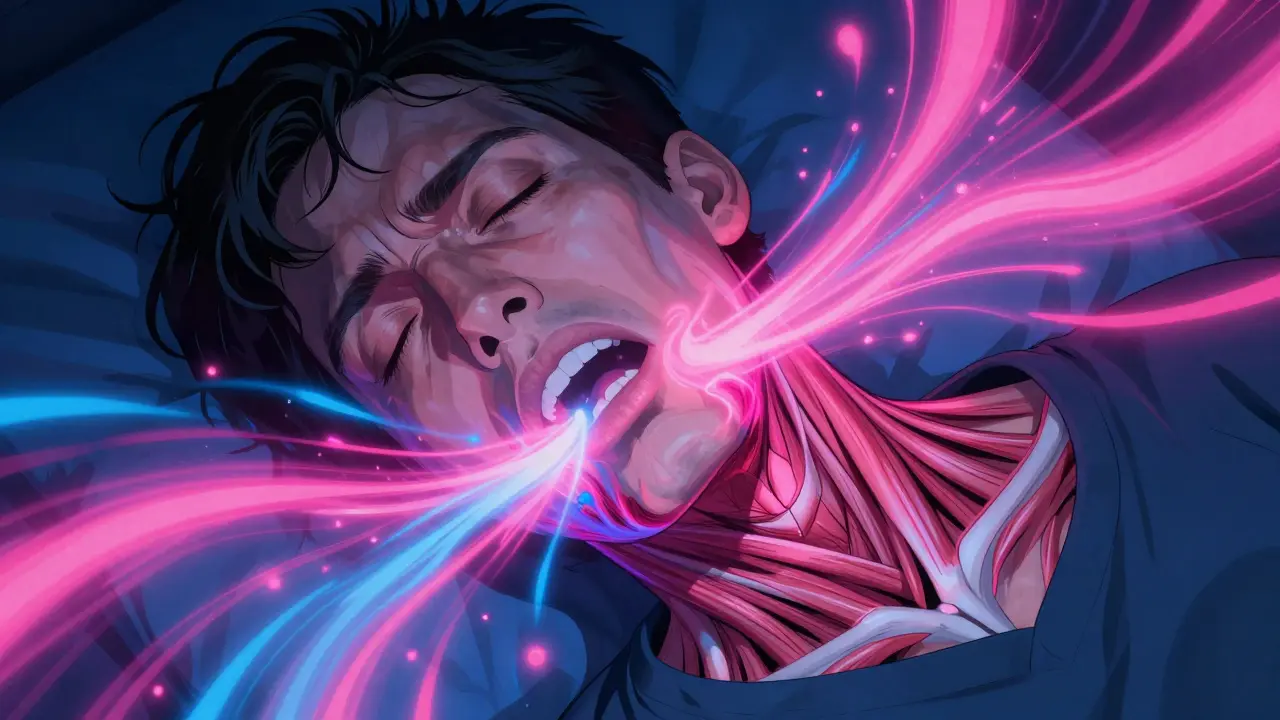
Obstructive sleep apnea (OSA) is a chronic condition where the throat muscles relax too much during sleep, blocking the airway. This causes repeated breathing interruptions that can last 10 seconds or longer. Each pause lowers blood oxygen levels and fragments sleep, leaving you exhausted during the day. Symptoms include loud snoring, gasping for air, and excessive daytime sleepiness. Without treatment, OSA increases the risk of high blood pressure, heart attack, stroke, and type 2 diabetes. The American Academy of Sleep Medicine estimates over 1 billion people worldwide have OSA, but many don't know they have it.
How CPAP Therapy Works
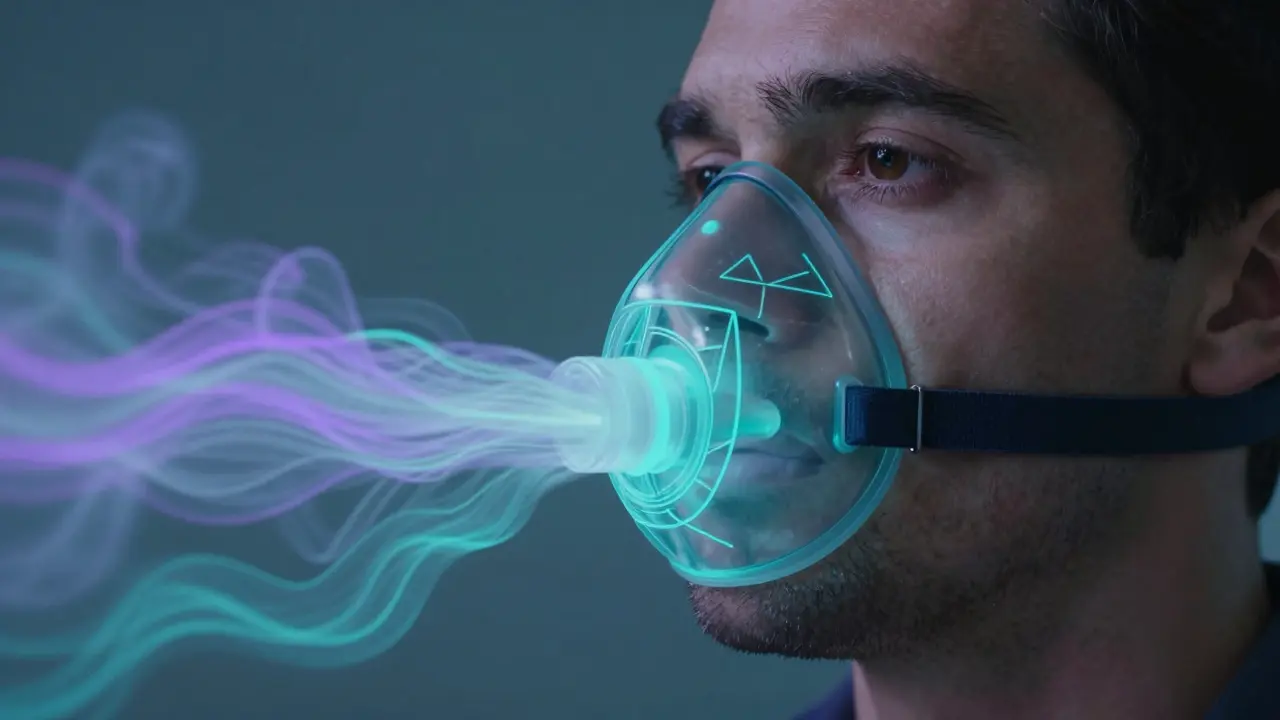
CPAP therapy is a treatment that delivers a steady stream of pressurized air through a mask worn over the nose or mouth. This airflow keeps the airway open, preventing breathing pauses. Developed by Australian physician Dr. Colin Sullivan and colleagues at the University of Sydney in 1981, CPAP remains the gold standard treatment for moderate to severe OSA. Modern CPAP machines come in three main types: standard CPAP (fixed pressure), auto-CPAP (APAP) which adjusts pressure automatically, and bilevel positive airway pressure (BiPAP) that uses different pressures for inhaling and exhaling.
A 2020 study published in the National Center for Biotechnology Information (NCBI) found that consistent CPAP use (7+ hours per night) reduces the apnea-hypopnea index (AHI) from severe levels (around 39 events per hour) to near-normal (7 events per hour) within six months. This leads to better sleep quality, reduced daytime sleepiness, and lower cardiovascular risks. For example, the Cleveland Clinic Journal of Medicine reported CPAP improves blood pressure control by 5-10 mmHg and reduces Epworth Sleepiness Scale scores from 18.4 to 8.8 after six months.
Common Challenges with CPAP Therapy
Despite its effectiveness, many people struggle with CPAP use. Mask discomfort affects 35% of new users, and 12% experience claustrophobia. Mouth leaks cause 61.8% of nasal mask users to switch to full-face masks within six months. Adherence is a major issue: ResMed data shows median usage stabilizes at 5.2 hours per night by six months, but Medicare requires 4 hours on 70% of nights for coverage. Only about 70% of patients meet this threshold.
Dr. Indira Gurubhagavatula noted in the Journal of Clinical Sleep Medicine that "CPAP adherence remains the Achilles' heel of OSA management," with a quarter of patients not using it enough to benefit. However, solutions exist. Heated humidification helps 78% of nasal congestion cases, and chin straps reduce mouth leaks for 65% of users. Many find success after adjusting mask fit or trying different mask styles.
Alternative Treatments for Sleep Apnea
When CPAP isn't working, alternatives offer options. Oral appliances, like mandibular advancement devices, reposition the jaw to keep the airway open. They're often used for mild to moderate OSA or for those who can't tolerate CPAP. A 2017 review by the American Academy of Dental Sleep Medicine found oral appliances are used 77% of nights after a year-higher than CPAP's median adherence of 4-5 hours. However, they're less effective for severe cases.
Surgical options include uvulopalatopharyngoplasty (UPPP), which removes excess throat tissue. Mayo Clinic reports UPPP has a 40-60% success rate, but results vary. Inspire therapy is another surgical option. It implants a device that stimulates the tongue nerve to keep the airway open. Studies show it reduces AHI by 79%, but it costs around $35,000 out-of-pocket and requires surgery.
Positional therapy devices like NightBalance help people with positional OSA (only when lying on their back). These devices vibrate when you roll onto your back, encouraging side sleeping. They reduce AHI by 51% for those with positional OSA.
Comparing Treatment Options
Here's a quick comparison of common treatments:
| Treatment | Effectiveness | Adherence Rate | Best For | Limitations |
|---|---|---|---|---|
| CPAP | High (AHI reduced to 7±3 with consistent use) | Median 5.2 hours/night | Moderate to severe OSA | Mask discomfort, claustrophobia, adherence issues |
| Oral Appliances | Moderate (AHI reduced to ~10-15) | 77% of nights after 1 year | Mild to moderate OSA, CPAP intolerant | Less effective for severe cases |
| UPPP Surgery | 40-60% success rate | Varies | Severe OSA unresponsive to CPAP | Invasive, possible complications, variable results |
| Inspire Therapy | 79% AHI reduction | High (once implanted) | Severe OSA with CPAP intolerance | $35k cost, surgery required |
| Positional Therapy | 51% AHI reduction | High for positional OSA | Only for positional OSA | Limited to specific cases |
Choosing the Right Treatment for You
The best treatment depends on your OSA severity, lifestyle, and personal preferences. For severe OSA (AHI ≥ 15), CPAP is usually first-line. But if you struggle with mask fit, oral appliances might work better for mild to moderate cases. Surgery is typically considered only when other treatments fail.
Key factors to consider:
- Severity of OSA: Mild cases may respond to oral appliances or positional therapy, while severe cases often need CPAP or surgery.
- Lifestyle: Frequent travelers might prefer oral appliances over bulky CPAP machines.
- Comfort: If you have claustrophobia, a nasal pillow mask or oral appliance could be more comfortable.
- Adherence: Choose a treatment you'll use consistently. Oral appliances have higher adherence rates than CPAP for many users.
Real Stories from People Living with OSA
User u/SleeplessInSeattle on Reddit shared: "After 3 months of struggling with leaks, I switched to a nasal pillow mask and now get 7+ hours of usage - my Epworth score dropped from 16 to 7." Another user, u/TiredButNotSleeping, said: "I've tried 5 different masks over 2 years and still can't tolerate more than 2 hours - the claustrophobia is unbearable."
A 2023 Amazon review of CPAP machines noted: "I used to snore so loudly my partner slept in another room. After starting CPAP, we both sleep better. It took a few weeks to get used to, but it's worth it." Meanwhile, a user with an oral appliance wrote: "I travel a lot for work. The oral appliance is small and easy to carry. I don't feel claustrophobic like with a mask."
What's Next in Sleep Apnea Treatment
New developments are making treatment easier. ResMed's AirSense 11, launched in October 2022, has advanced auto-CPAP algorithms that detect subtle breathing issues before full apneas occur. The 2023 FDA clearance of Nightware, a digital therapeutic app, helps improve CPAP adherence through biofeedback, showing 22% increased usage in trials.
Future directions include personalized pressure algorithms using 3D airway imaging and closed-loop systems that adjust pressure in real-time based on arousal detection. Researchers are also exploring non-device treatments, like pharmacological options targeting upper airway muscles. The 2024 American Thoracic Society guidelines are expected to use arousal threshold data to guide treatment choices, potentially directing low-threshold patients toward alternatives instead of CPAP.
How effective is CPAP therapy for treating sleep apnea?
When used consistently for 7+ hours per night, CPAP therapy can reduce the apnea-hypopnea index (AHI) from severe levels (around 39 events per hour) to near-normal (7 events per hour) within six months. It also improves daytime sleepiness by 40%, lowers blood pressure, and reduces the risk of heart problems. However, effectiveness depends on consistent use-using CPAP for less than 4 hours nightly may not provide significant benefits.
What are the most common side effects of using a CPAP machine?
Common side effects include mask discomfort (affecting 35% of new users), nasal dryness or congestion, and claustrophobia (12% of patients). Mouth leaks can cause dry mouth in 25% of users. These issues often improve with proper mask fitting, heated humidification, or trying different mask styles. Chin straps can help with mouth leaks, and adjusting pressure settings may reduce discomfort.
Are oral appliances as effective as CPAP for sleep apnea?
Oral appliances are effective for mild to moderate OSA but less so for severe cases. They reduce AHI to around 10-15 events per hour, compared to CPAP's near-normal levels of 7 events per hour when used consistently. However, oral appliances have higher adherence rates-77% of nights after one year versus CPAP's median of 4-5 hours per night. Many users find them more comfortable, especially for travel, but they're not a one-size-fits-all solution.
Can surgery cure sleep apnea?
Surgery can improve or cure sleep apnea in some cases, but results vary. Uvulopalatopharyngoplasty (UPPP) has a 40-60% success rate, while hypoglossal nerve stimulation (Inspire therapy) reduces AHI by 79%. However, surgery is invasive, costly, and not always a permanent solution. It's usually considered only when other treatments fail and depends on the individual's anatomy and OSA severity.
How do I know which treatment is right for me?
Your doctor will consider OSA severity, lifestyle, and personal preferences. Mild OSA may respond to oral appliances or positional therapy, while severe cases often need CPAP or surgery. Factors like travel frequency, comfort with masks, and willingness to undergo surgery play a role. A sleep specialist can help weigh the pros and cons based on your specific situation and test results.
What should I do if I can't tolerate my CPAP mask?
If you struggle with CPAP mask discomfort, try different mask styles (nasal pillows, full-face masks) or adjust the fit. Heated humidification can reduce nasal dryness, and chin straps help with mouth leaks. Many users find success after working with a sleep specialist to troubleshoot issues. If problems persist, alternatives like oral appliances or Inspire therapy may be options. Don't give up-most issues can be resolved with adjustments.
How much does CPAP therapy cost with insurance?
Most insurance plans cover CPAP therapy, but costs vary. Typically, you'll pay a deductible or copay-often $50-$200 for the machine. Medicare requires using CPAP for at least 4 hours per night on 70% of nights for continued coverage. Out-of-pocket costs for CPAP machines range from $500-$3,000 without insurance, but many insurers cover most of the cost after meeting deductibles. Always check with your provider for specific coverage details.
What new technologies are improving sleep apnea treatment?
Recent advances include ResMed's AirSense 11, which detects subtle breathing issues before full apneas occur, and the Nightware app, which uses biofeedback to improve CPAP adherence by 22%. Future developments focus on personalized pressure algorithms using 3D airway imaging and closed-loop systems that adjust pressure in real-time. Researchers are also exploring pharmacological treatments targeting upper airway muscles, which could offer non-device options for some patients.
Mayank Dobhal
February 6, 2026 AT 20:33CPAP was a game-changer for me. After struggling with masks for months, I finally found the right fit. Now I sleep like a baby and feel energized all day. Seriously, don't give up!
Marcus Jackson
February 7, 2026 AT 19:20Actually, the 2020 NCBI study shows CPAP reduces AHI to 7±3 with consistent use. But adherence is key-less than 4 hours nightly isn't effective. Most people underestimate how crucial consistent use is.
Natasha Bhala
February 7, 2026 AT 21:10cpap changed everything for me
Gouris Patnaik
February 8, 2026 AT 05:28CPAP is the only real solution. Traditional Indian methods like Ayurveda are superior but Western medicine ignores them. People are lazy and don't want to commit. Wake up!
Jesse Lord
February 10, 2026 AT 02:50hey i get it but everyones situation is different some people cant tolerate cpap so alternatives are important dont dismiss others experiences
AMIT JINDAL
February 11, 2026 AT 04:07Oh wow, this is so fascinating! 😂 I've been researching sleep apnea for years and let me tell you, CPAP is just the tip of the iceberg. The real issue is modern lifestyle-too much screen time, poor diet, and lack of exercise. If you want real solutions, you need to address the root causes! 😎
Catherine Wybourne
February 12, 2026 AT 21:15Root causes? Well, I suppose that's why I'm still snoring like a chainsaw after eating pizza before bed. 🙃
Ritu Singh
February 13, 2026 AT 19:13It is imperative to recognize that sleep apnea management requires a personalized approach. Factors such as anatomical structure, comorbidities, and lifestyle must be considered when selecting the most appropriate therapy for each individual.
Mark Harris
February 14, 2026 AT 21:00Exactly! Everyone's different but there's hope. Stick with it and find what works for you. You got this!
Savannah Edwards
February 15, 2026 AT 19:32I totally agree with Mark. It's been a journey for me too. When I first started using CPAP, I was so frustrated with the mask and the noise. The initial discomfort was tough, but I stuck with it. After a few weeks of adjusting, the humidifier made a huge difference for my dry nose. I also switched to a nasal pillow mask which was much more comfortable. My sleep quality improved dramatically. I used to be exhausted all the time, but now I have so much energy. My partner says I don't snore anymore, which has improved our relationship. It's not always easy to wake up and put on the mask, but the benefits are worth it. I've noticed my blood pressure has stabilized, and my doctor says my overall health is better. I've also started exercising more because I have more energy. The CPAP machine has become a part of my daily routine, and I can't imagine going back to how I was before. It's been a life-changing experience, and I'm so glad I didn't give up. It's worth it for the quality of life.