Deprescribing: How to Safely Reduce Unnecessary Medications
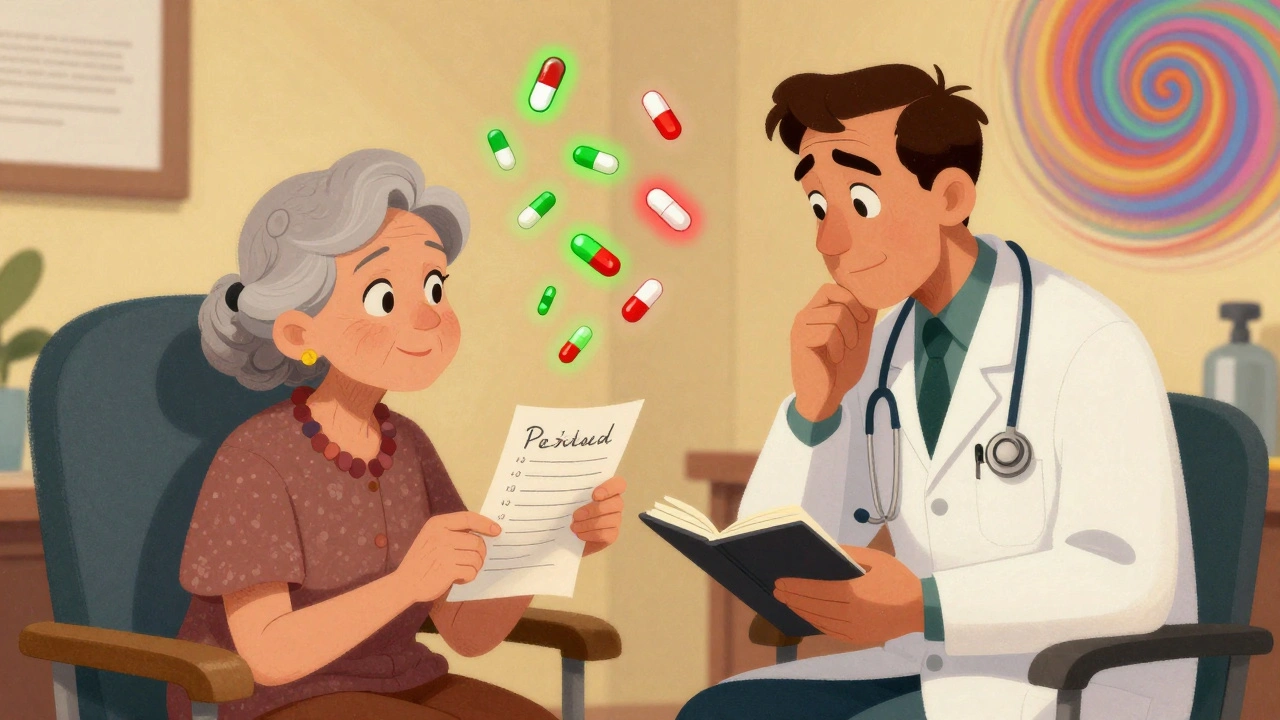
When you take too many pills, some stop helping and start hurting. That’s where deprescribing, the planned process of reducing or stopping medications that are no longer beneficial or may be harmful. Also known as medication reduction, it’s not about quitting drugs cold turkey—it’s about smart, step-by-step removal of pills that no longer serve you. This isn’t just for older adults, though they’re most at risk. If you’re on five or more medications, you’re dealing with polypharmacy, the use of multiple medications by a patient, often leading to increased risk of side effects and interactions. Studies show that nearly 40% of seniors take at least five prescription drugs daily. Many of those were started years ago for conditions that have changed—or disappeared. Yet the pills keep coming.
Deprescribing flips the script. Instead of adding more to fix new problems, you ask: What can I safely take away? It’s common with blood pressure meds, sleep aids, painkillers, and even antidepressants that were meant for short-term use. For example, someone on a proton pump inhibitor for heartburn for five years might not need it anymore. Or a statin prescribed after a heart attack might still be taken even though the patient’s risk profile has dropped. The goal isn’t to stop everything—it’s to stop what’s doing more harm than good. And it’s not a solo mission. medication reduction, a structured approach to tapering or discontinuing drugs under professional supervision. requires a care team: your doctor, pharmacist, and sometimes a geriatric specialist. They check for withdrawal risks, rebound symptoms, and whether stopping one drug might make another more dangerous.
Many people worry that stopping meds will make them sicker. But sometimes, the meds themselves are the problem. Dizziness from multiple blood pressure pills? That’s not aging—it’s drug overload. Confusion from a sleeping aid taken nightly? That’s not dementia—it’s a side effect. Deprescribing doesn’t mean giving up on treatment. It means getting back to what actually works. You’ll find posts here that show how drug accumulation leads to long-term harm, how side effects like dizziness and low sodium can be traced back to overmedication, and how medication action plans help you track what you’re really taking. You’ll see how insurers sometimes push for generics without considering whether you even need the drug anymore. And you’ll learn how to talk to your provider about cutting back—not just adding more.
There’s no one-size-fits-all plan. What’s safe for one person might be dangerous for another. But the principle is simple: if a pill doesn’t improve your life, it shouldn’t be in your routine. The posts below walk you through real cases—how people safely stopped antidepressants, reduced painkillers, and reversed side effects by working with their teams. You’ll see the tools, the questions to ask, and the red flags that mean it’s time to reconsider what’s in your medicine cabinet.