FDA Generics: What They Are, Why They Work, and How to Get Them
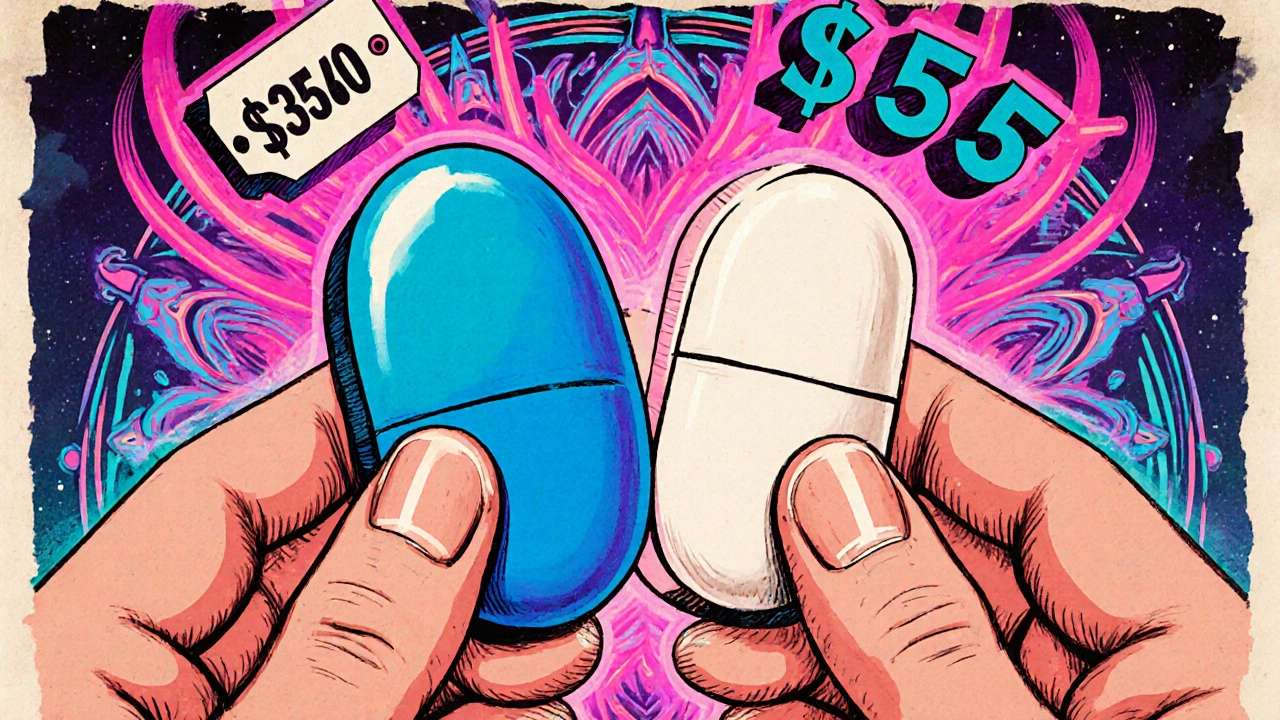
When you hear FDA generics, lower-cost versions of brand-name drugs approved by the U.S. Food and Drug Administration for safety and effectiveness. Also known as generic medications, they contain the same active ingredients, work the same way, and have the same risks and benefits as the original drug—just without the marketing price tag. The FDA doesn’t just approve them lightly. Every generic must prove it delivers the same amount of medicine into your bloodstream at the same rate as the brand-name version. No guesswork. No shortcuts. If your doctor prescribes a brand-name drug and you’re offered the generic, you’re getting the same treatment—just cheaper.
But here’s the catch: just because a brand-name drug’s patent expires doesn’t mean the generic shows up right away. Companies can stretch out exclusivity with legal tricks, like filing new patents on minor changes or delaying approval through paperwork bottlenecks. That’s why some generics take years to hit the market, even after the patent runs out. And when they do arrive, insurance companies sometimes block them with prior authorization, a requirement that forces you to get approval before filling a prescription, even if it’s a generic. Also known as insurance approval, this practice is growing—even for drugs that cost 85% less than the brand. Meanwhile, pharmacies are stuck in the middle, trying to get you your meds while juggling formularies, tiered pricing, and coverage rules that change every year. It’s not about safety—it’s about profit and control.
Then there’s the question of access. Some people assume all generics are equal, but not every manufacturer is the same. The FDA inspects factories worldwide, but quality can still vary. That’s why knowing where your pills come from matters. Buying online? Make sure the pharmacy is licensed and verified. Don’t fall for sites selling "FDA-approved" generics without a prescription—that’s not how it works. The real FDA approval applies to the drug itself, not the seller.
And let’s not forget the bigger picture: generic drug availability, how quickly and widely a generic medicine reaches patients after patent expiration. Also known as generic medication access, it’s shaped by laws like the Hatch-Waxman Act, corporate strategy, and even supply chain issues. Some generics never make it to certain states. Others sit on shelves because insurers don’t want to switch patients. You might be paying more than you need to simply because no one pushed the system to change.
What you’ll find below are real stories and straight facts about how FDA generics work—when they appear, why they’re blocked, how much you can save, and what to do when your insurance says no. You’ll learn how to spot a legitimate generic, how to talk to your pharmacist about switching, and how to fight back when coverage gets unfair. These aren’t theory pieces. They’re tools. Used by people who’ve been stuck paying $300 for a pill that costs $15 as a generic. You don’t need a degree in pharmacy to use them. You just need to know what to ask.