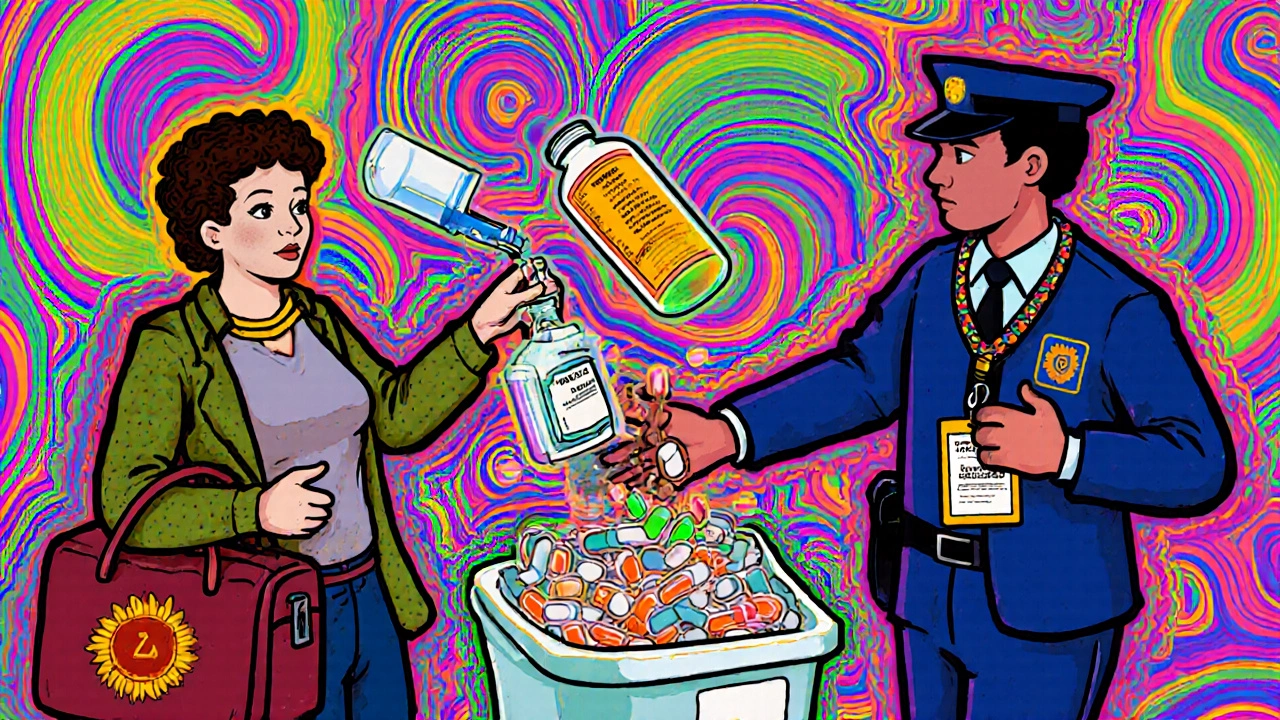
Flying with Prescriptions: What You Need to Know Before You Board
When you're flying with prescriptions, carrying your medications on a plane requires following specific rules to avoid delays, confiscation, or legal issues. Also known as traveling with medication, it's not just about packing your pills—you need to know how to prove they're yours, where to store them, and what happens if you cross borders. The TSA and international airports don’t treat all meds the same. A bottle of insulin might pass through security without a second glance, while a controlled substance like Adderall could trigger a full inspection if it’s not labeled properly.
One of the biggest mistakes travelers make is assuming their prescription label is enough. It’s not. Airlines and customs officials want to see the original pharmacy label with your name, the drug name, dosage, and prescribing doctor’s info. If you’re carrying pills in a pill organizer, you’re risking trouble—especially with controlled substances. Keep them in their original bottles. If you need to split doses for a long trip, ask your pharmacist for a letter confirming the meds are prescribed to you. That letter can save you from being questioned at customs in countries like Japan or the UAE, where even common painkillers are tightly controlled.
Temperature-sensitive meds like insulin, epinephrine, or certain biologics need special handling. Don’t check them in your luggage. Keep them in your carry-on, and if you’re flying for more than a few hours, bring a small cooler with an ice pack. Some airports have refrigerated storage at medical aid stations, but don’t count on it. Also, if you’re flying internationally, check if your medication is legal in your destination. For example, melatonin is a dietary supplement in the U.S. but a controlled drug in some European countries. What’s legal at home might get you detained abroad.
And don’t forget about liquids. If you’re carrying liquid meds—like syrups or injectables—they’re exempt from the 3.4-ounce rule, but you must declare them at security. Don’t hide them in your toiletries bag. Put them in a clear plastic bag and tell the agent upfront. They’ll usually ask you to open the bottle for inspection. Be ready. The more calmly and clearly you explain, the faster you’ll get through.
International travel adds another layer. Some countries require a special permit just to bring in common medications. Others ban entire classes of drugs—like ADHD meds or certain painkillers. Always check the embassy website of your destination country before you fly. If you’re on a long-term regimen, carry a copy of your prescription and a letter from your doctor explaining why you need it. That letter should be in English, and if you’re going to a non-English-speaking country, get it translated. Many travelers skip this step and end up stuck at customs for hours.
Finally, never assume your insurance or pharmacy will help you refill overseas. Most U.S. prescriptions can’t be filled abroad. If you’re traveling for weeks or months, get enough supply before you leave—or find a local pharmacy that can write a new prescription based on your documentation. Some countries have reciprocal agreements with U.S. providers, but you can’t count on it. Better safe than stranded without your meds.
Whether you’re flying for business, vacation, or medical care, knowing how to handle your prescriptions ahead of time means fewer headaches and more peace of mind. Below, you’ll find real advice from people who’ve been through airport checks, international border issues, and last-minute medication emergencies—so you don’t have to learn the hard way.