Medication Review: What It Is, Why It Matters, and How to Get It Right
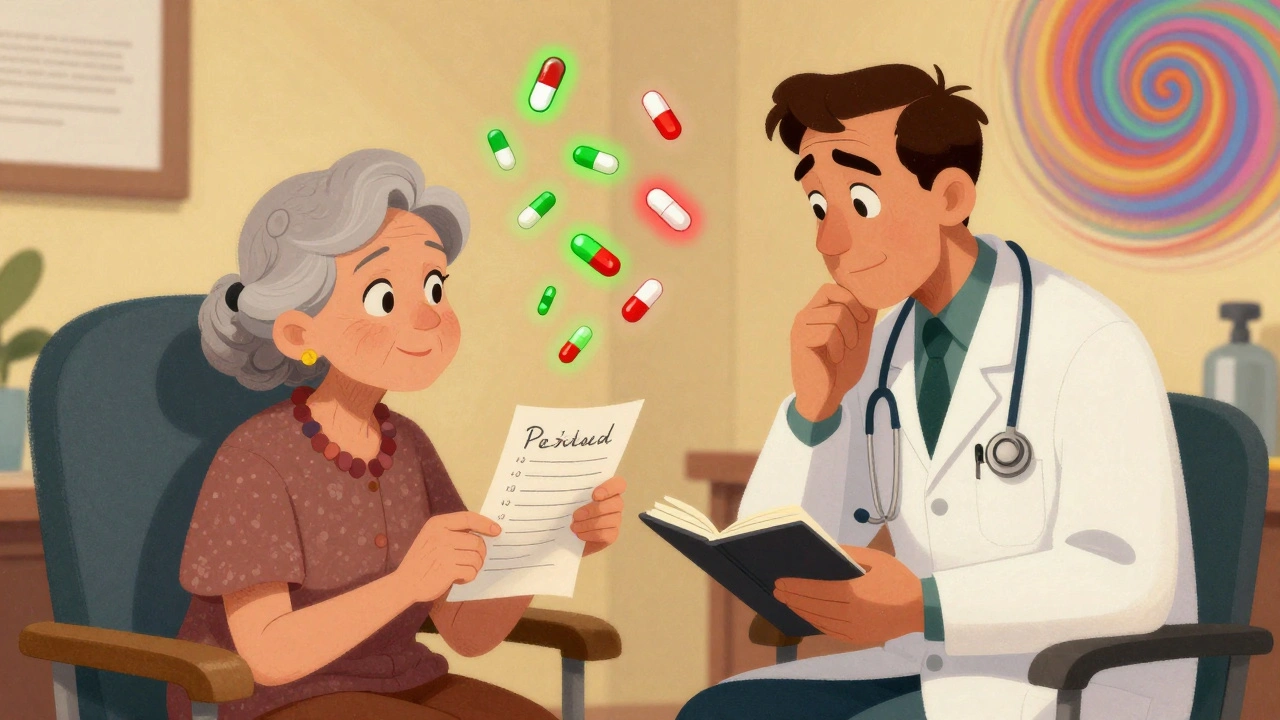
When you’re taking more than one medication, a medication review, a structured assessment of all the drugs a person is using to identify risks, overlaps, and opportunities for improvement. Also known as drug reconciliation, it’s not just a form your doctor fills out—it’s your best defense against side effects, hospital visits, and hidden dangers. Think of it like a car tune-up, but for your pills. If you’re on blood pressure meds, antidepressants, painkillers, or even supplements, something in that mix could be quietly hurting you.
Many people don’t realize that drug interactions, when two or more medications affect each other’s performance or safety in the body are one of the top causes of preventable harm. A common blood pressure pill might make your cholesterol drug less effective. An over-the-counter sleep aid could raise your risk of falling if you’re also on a sedative. Even something as simple as grapefruit juice can turn a routine statin into a danger zone. That’s why a medication review, a structured assessment of all the drugs a person is using to identify risks, overlaps, and opportunities for improvement needs to happen at least once a year—or anytime your prescriptions change.
It’s not just about what’s on paper. Your pharmacist can spot patterns your doctor might miss. A pharmacy workflow, the system pharmacies use to process, verify, and dispense medications safely now includes automated checks for interactions, but those systems aren’t perfect. Only a human reviewing your full list—prescriptions, supplements, even herbal teas—can catch the subtle stuff. For example, if you’re on lithium for mood stabilization, a simple diuretic for swelling could push your levels into toxic territory. That’s why therapeutic drug monitoring, regular blood tests to measure medication levels and ensure they’re in the safe, effective range is critical for certain drugs.
And it’s not just about avoiding bad outcomes. A good medication review can simplify your life. Maybe you’re taking three pills for high blood pressure when two would do. Or your insomnia meds are making your daytime dizziness worse. You might be paying for brand-name drugs when generics work just as well. A review can cut costs, reduce side effects, and even help you stick to your regimen. Studies show people who get regular reviews are far less likely to miss doses or stop taking meds because they feel overwhelmed.
You don’t need to wait for a crisis to ask for one. Bring your full list—bottles, pill organizers, notes—to your next appointment. Ask your pharmacist to walk through it with you. If you’re on Medicare or have complex conditions, you’re entitled to a free medication review. Don’t assume your doctor knows everything you’re taking. They rarely do. The truth is, most medication problems aren’t caused by bad drugs—they’re caused by bad combinations, poor timing, or no one looking at the big picture.
Below, you’ll find real stories and science-backed guides on everything from catching hidden side effects to switching safely to generics, understanding insurance blocks, and knowing when to push back on your provider. These aren’t theoretical tips—they’re what people actually use to stay safe and in control of their health.