Medication Savings: How to Cut Prescription Costs Without Sacrificing Care
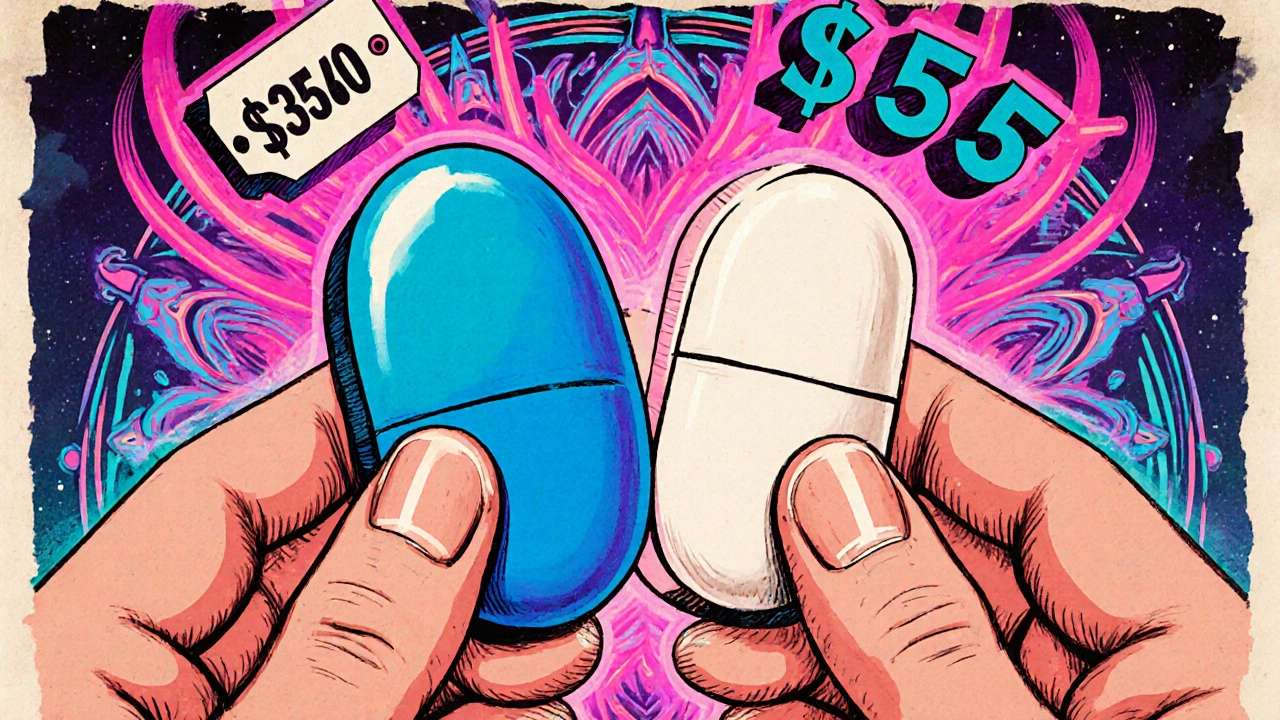
When it comes to medication savings, the practice of reducing out-of-pocket costs for prescription drugs through legal, safe methods. Also known as prescription cost reduction, it’s not about skipping pills—it’s about making smarter choices so you can afford the meds you need. Millions of people pay hundreds or even thousands a year for prescriptions they can’t live without. But you don’t have to. The same drug, in generic form, often costs 85% less than the brand-name version—and it’s just as safe. The FDA approves these generics to work exactly the same way. Still, many never switch because they’re unaware, or their pharmacy doesn’t suggest it.
But generic medications, FDA-approved copies of brand-name drugs with identical active ingredients and effectiveness. Also known as generic drugs, they’re the backbone of real medication savings. Yet even when generics exist, you might still get hit with high costs. Why? Because insurance companies often delay coverage, require prior authorization, or push you toward pricier options. That’s where insurance coverage, the extent to which a health plan pays for prescribed medications, often determined by formulary tiers and step therapy rules. Also known as prescription drug benefits, it’s a system designed to control costs—but sometimes at your expense. You might think your plan covers a drug, only to find out it’s on a higher tier or needs approval. That’s why knowing your formulary changes in 2025 matters. Some plans now block even cheap generics unless you try something else first.
And it’s not just about switching brands. prescription costs, the total amount you pay for medications out of pocket, including copays, coinsurance, and deductibles. Also known as drug expenses, they’re shaped by more than just the pill price. Where you buy matters. Online pharmacies can slash prices on gabapentin, Singulair, or Celebrex—if you know how to spot a legit one. Pharmacies sometimes charge $20 for a 30-day supply of a generic, while others charge $120. And if you’re on Medicare Part D, formulary changes every year. What was covered last year might not be this year. That’s why you need to check your plan’s list before refill time.
Some people think medication savings means taking less, skipping doses, or sharing pills. That’s dangerous. Real savings come from knowing your options. Ask your pharmacist if there’s a generic. Check if your drug has been on the market long enough for a generic to be available. Ask about patient assistance programs. Compare prices at different pharmacies—even the same chain can have different prices depending on location. And if your insurance blocks a cheap generic, file a formulary exception. It’s not a battle—it’s a right.
Below, you’ll find clear, no-fluff guides on how to cut costs without cutting corners. From understanding why your insurance won’t cover a generic, to buying safe online meds, to knowing when to ask for a different drug altogether—every post here is built from real patient experiences and proven strategies. No theory. No hype. Just what works.