Acute Migraine Treatment: What Works Fast and What to Avoid
When a acute migraine treatment, a set of fast-acting interventions used to stop a migraine attack once it starts. Also known as migraine abortive therapy, it’s not about prevention—it’s about stopping pain before it takes over your day. An acute migraine attack can knock you out in minutes: nausea, light sensitivity, pounding pain behind one eye. You don’t need to wait it out. There are proven ways to shut it down fast—but not all of them are safe or effective for everyone.
Most people start with triptans, a class of drugs designed specifically to reverse the brain changes that cause migraines. Examples include sumatriptan, rizatriptan, and eletriptan. They work by narrowing blood vessels and blocking pain signals. But they’re not for everyone—if you have heart disease, high blood pressure, or a history of stroke, they can be dangerous. Your doctor should check your history before prescribing them. If triptans don’t help or aren’t safe for you, anti-nausea meds, drugs that calm the stomach and often help reduce migraine pain as a side effect. Medications like metoclopramide and prochlorperazine are commonly used in ERs and can be taken orally or as a nasal spray. These aren’t just for vomiting—they actually help with the headache too. Many patients report feeling better within 30 minutes.
What you shouldn’t do? Reach for regular painkillers like ibuprofen or acetaminophen every time. Yes, they help a little for mild cases. But using them more than 10 days a month can trigger rebound headaches—your body starts depending on them, and the migraines come back harder. Also, avoid opioids. They don’t treat migraines. They just mask pain, and they’re highly addictive. If you’re relying on them, you’re not getting better—you’re just delaying the real fix.
Timing matters. The sooner you treat a migraine after it starts, the better the chance it stops. Waiting an hour or two means the brain changes are locked in, and pills take longer to work—or won’t work at all. Keep your treatment handy: in your bag, by your bed, at your desk. Don’t wait until you’re curled up in the dark to look for your meds.
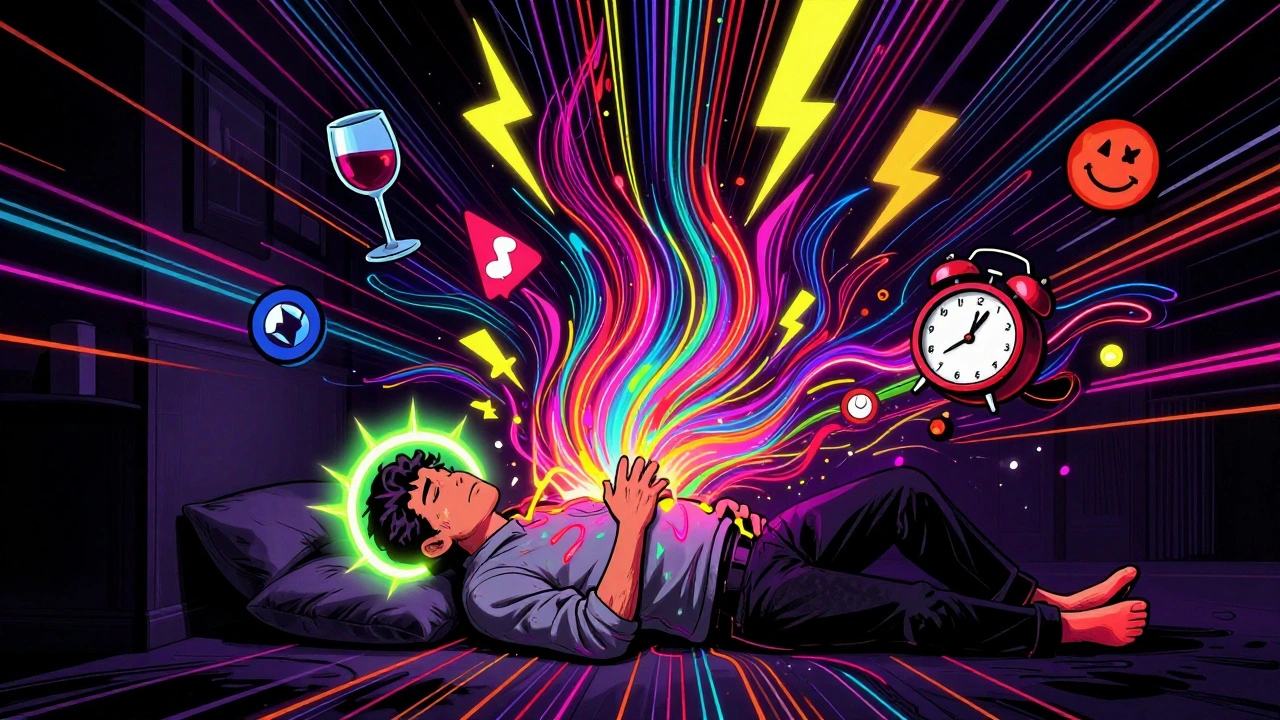
And don’t ignore triggers. Even though acute treatment stops the attack, knowing what started it helps you avoid the next one. Common ones: skipped meals, too much caffeine, stress, bright lights, hormonal shifts. Tracking these isn’t fluff—it’s part of managing your condition. Some people find that even small changes—like drinking water first thing in the morning or avoiding strong perfumes—cut their attack frequency in half.
What you’ll find in the posts below are real stories and science-backed advice on what actually works when a migraine hits. From how to use triptans safely, to why some people get relief from anti-nausea drugs even without vomiting, to what over-the-counter combos to avoid. You’ll also learn how medication overuse turns occasional headaches into daily battles—and how to get out of that cycle. No theory. No fluff. Just what to do, what to skip, and when to call your doctor.