Allergic Reaction Symptoms: Signs, Triggers, and What to Do
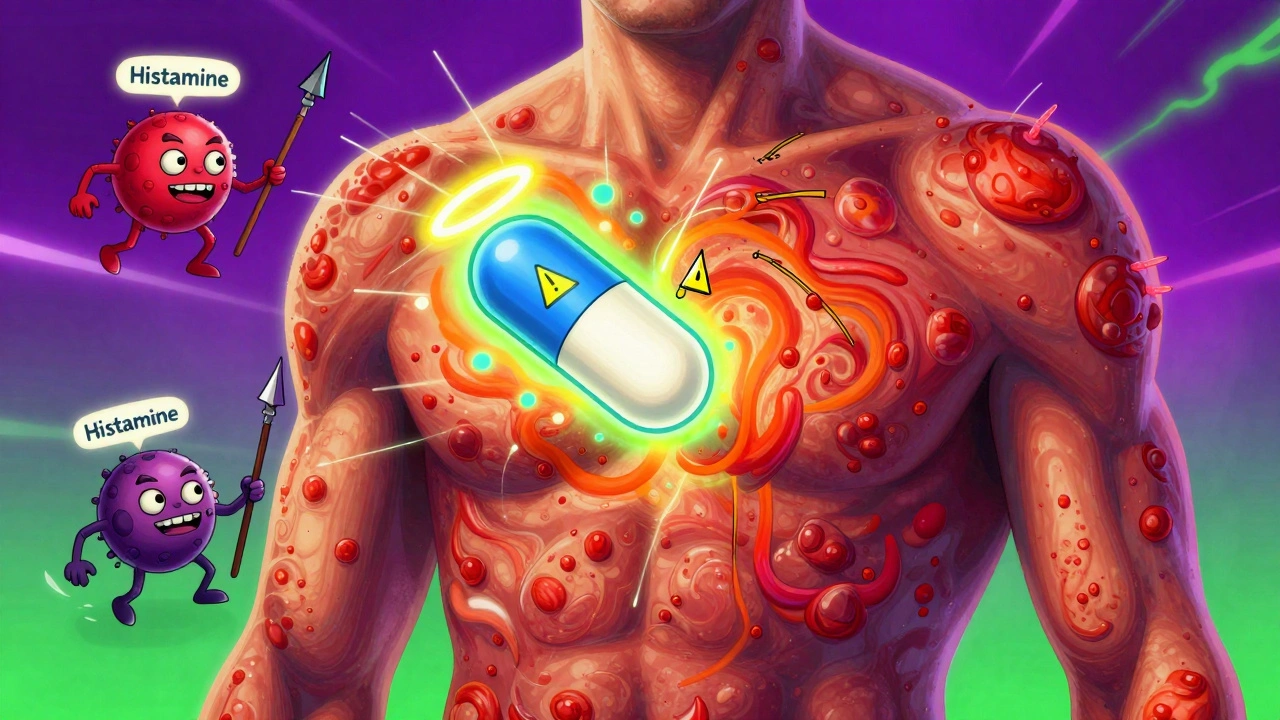
When your body mistakes a harmless substance for a threat, it can trigger an allergic reaction, an immune system overresponse to a normally safe substance like food, medication, or pollen. Also known as hypersensitivity, it can range from a runny nose to a sudden, life-threatening collapse. These reactions don’t always happen right away — some build slowly after taking a new pill, while others hit within minutes of exposure. The most dangerous form, anaphylaxis, a severe, whole-body allergic response that can block airways and drop blood pressure, needs immediate treatment with epinephrine. If you’ve ever felt your throat close up after eating peanuts or broke out in hives after taking penicillin, you’ve seen this in action.
Not all allergic reaction symptoms are obvious. Some people think they’re just getting a side effect from a drug, but it’s actually their immune system reacting. drug hypersensitivity, an immune-mediated response to medication that mimics allergy symptoms can look like a rash, fever, or swollen glands — and it’s often mistaken for infection or virus. Medications like antibiotics, NSAIDs, and even some blood pressure pills can cause this. In rare cases, repeated exposure to a drug can lead to cumulative sensitivity, meaning you might be fine on your first dose but react badly later. That’s why tracking new symptoms after starting a new medicine matters. If you get unexplained itching, swelling around the eyes or lips, or trouble breathing after taking something new, don’t wait. These are not normal side effects — they’re warning signs.
What you see on the surface isn’t always the whole story. Some allergic reactions start with mild symptoms like a runny nose or stomach upset, then escalate fast. Others show up days later as a full-body rash or joint pain. People with asthma or eczema are more likely to have stronger reactions. And if you’ve had one allergic reaction before, your risk goes up for another — especially with similar drugs. That’s why knowing your triggers and telling your doctor or pharmacist matters. Desensitization protocols exist for people who need a life-saving drug they’re allergic to, but they’re done under strict medical supervision. You don’t need to live in fear, but you do need to be aware.
Below, you’ll find real stories and science-backed advice on spotting allergic reaction symptoms early, understanding why they happen, and how to protect yourself. From how a simple skin rash can signal something serious, to why some people react to generic drugs differently, these posts give you the facts without the fluff. You won’t find guesswork here — just what works, what to watch for, and what to do next.