Anaphylaxis: Causes, Triggers, and How to Stay Safe
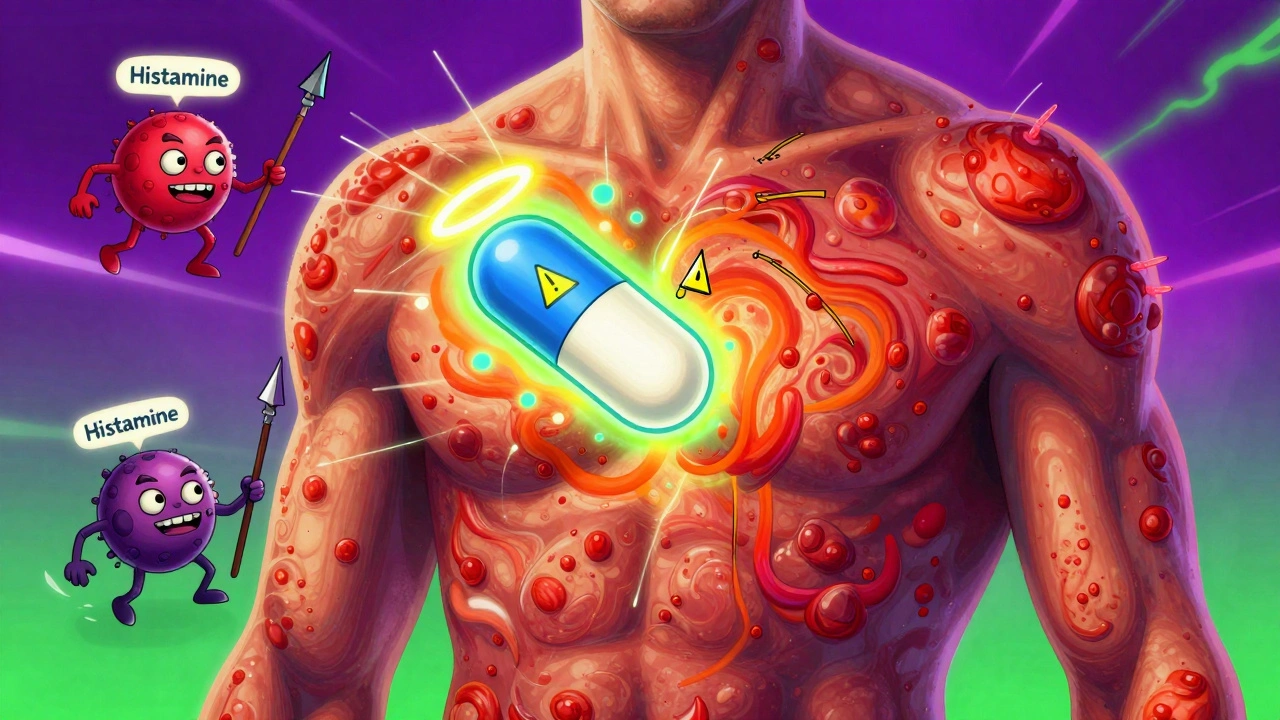
When your body overreacts to something harmless—like peanuts, bee stings, or certain medicines—it can trigger anaphylaxis, a sudden, severe, and potentially fatal allergic reaction. Also known as anaphylactic shock, it hits fast, often within minutes, and can shut down breathing, drop blood pressure, or stop your heart. This isn’t just a bad rash or upset stomach. It’s a medical emergency that demands immediate action.
Common triggers include food allergies, especially to peanuts, tree nuts, shellfish, milk, and eggs, medications, like penicillin, NSAIDs, or even IV contrast used in imaging, and insect stings, particularly from bees, wasps, or fire ants. Some people react to latex, exercise, or even cold temperatures. The key is knowing your triggers—and having a plan. If you’ve had even a mild reaction before, you’re at higher risk for a worse one next time.
Epinephrine is the only thing that stops anaphylaxis in its tracks. It works fast to open airways, raise blood pressure, and calm the immune system’s meltdown. But it only works if you use it right away. Waiting for symptoms to get worse can be deadly. That’s why people at risk carry an epinephrine auto-injector—like an EpiPen—and know how to use it. Family, friends, coworkers, and teachers should know where it is and how to use it too. No one should die because no one knew what to do.
Many of the posts here cover related risks: how drugs build up over time, how allergies can lead to desensitization, how insurance blocks access to life-saving meds, and how pharmacy systems try to prevent errors. Anaphylaxis doesn’t care about paperwork or formularies—it strikes fast and doesn’t wait. That’s why understanding your triggers, knowing your meds, and having a clear action plan isn’t just smart—it’s survival. Below, you’ll find real stories and practical guides on managing reactions, avoiding hidden allergens, and working with your care team to stay safe.