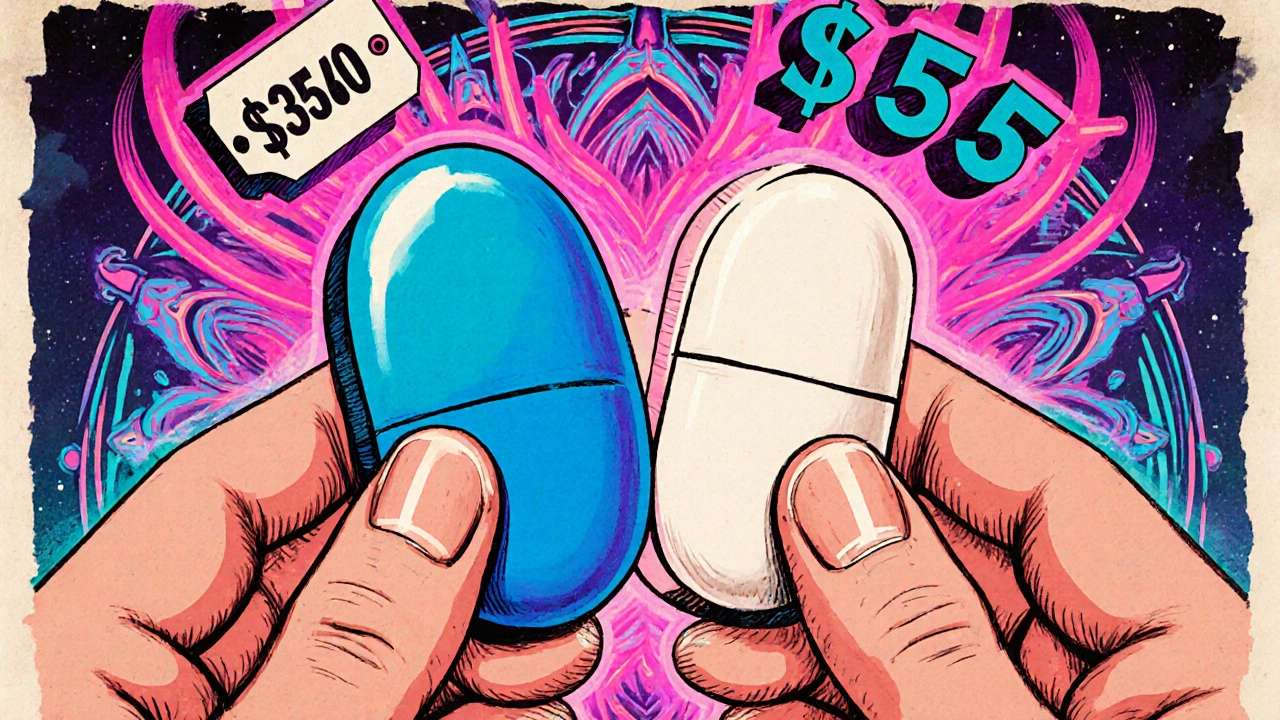
Generic vs Brand Drugs: What You Really Need to Know
When you hear generic drugs, lower-cost versions of brand-name medications that contain the same active ingredients. Also known as generic medications, they are legally required to work the same way as the original—but that doesn’t mean getting them is always easy. The real question isn’t whether they work—it’s why you might still pay more, wait longer, or get denied coverage even when a generic exists.
brand-name drugs, medications developed and marketed by pharmaceutical companies under a patent. Also known as originator drugs, they’re the first version on the market, often priced high to recoup research costs. Once the patent expires, other companies can make the same drug. But here’s the catch: just because a patent expires doesn’t mean the generic shows up. Legal delays, patent thickets, and insurance formulary rules can hold things up for years. That’s why you might still see a $200 co-pay for a drug that’s had a generic for 10 years.
drug pricing, the cost of medications set by manufacturers, insurers, and pharmacies. Also known as prescription costs, it’s not just about what the drug costs to make—it’s about who controls access. Insurance companies often push you toward generics, but they also require prior authorization, a process where your insurer must approve a medication before covering it. Also known as insurance approval, it’s increasingly used even for cheap generics to control spending or push you toward a preferred brand. Meanwhile, some pharmacies delay stocking generics because they make more profit on the brand. And if you’re buying online, you’re risking counterfeit pills if you don’t know how to spot a legit pharmacy.
What you’ll find below isn’t just theory. These posts come from real patient experiences and clinical data: why your insurance blocks a generic you’ve used for years, how long you might wait after a patent expires, what to ask your pharmacist when switching, and how to save money without sacrificing safety. Some of these drugs have been on the market for decades. Others are new. But the same rules apply: knowing how the system works gives you power over your care.
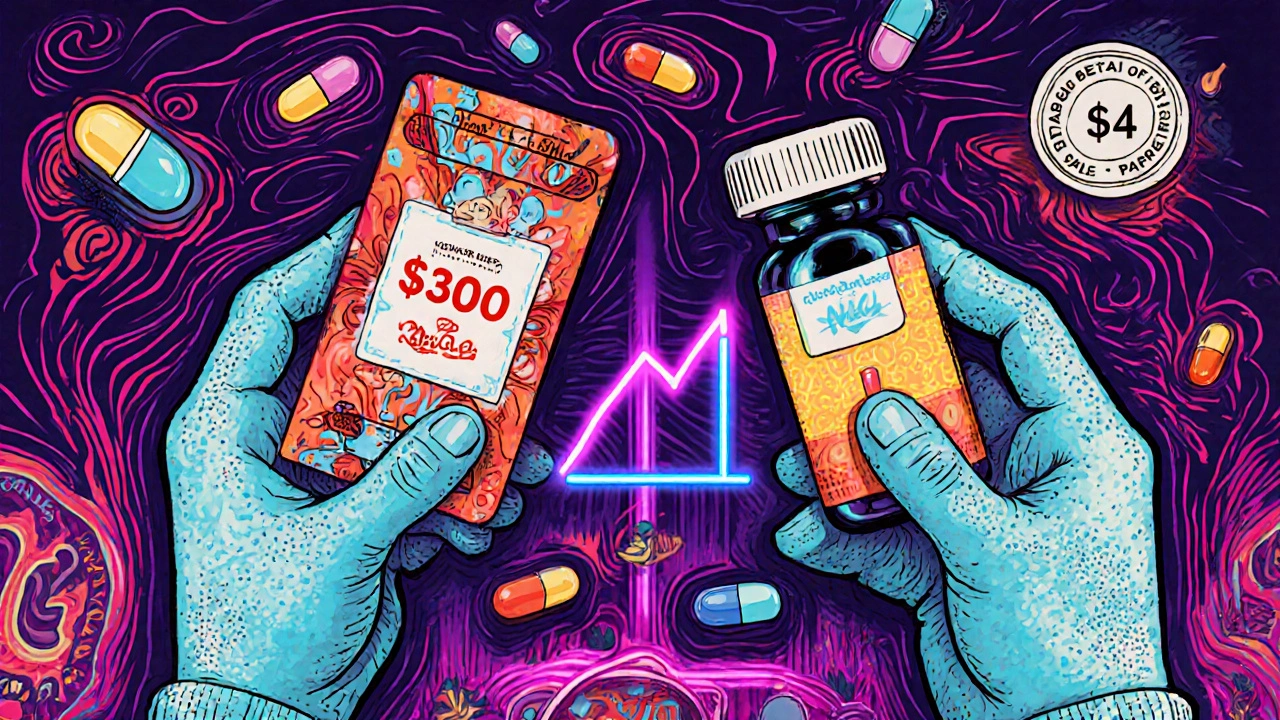

Why Switch to Generic Medications: Proven Reasons and Real Savings