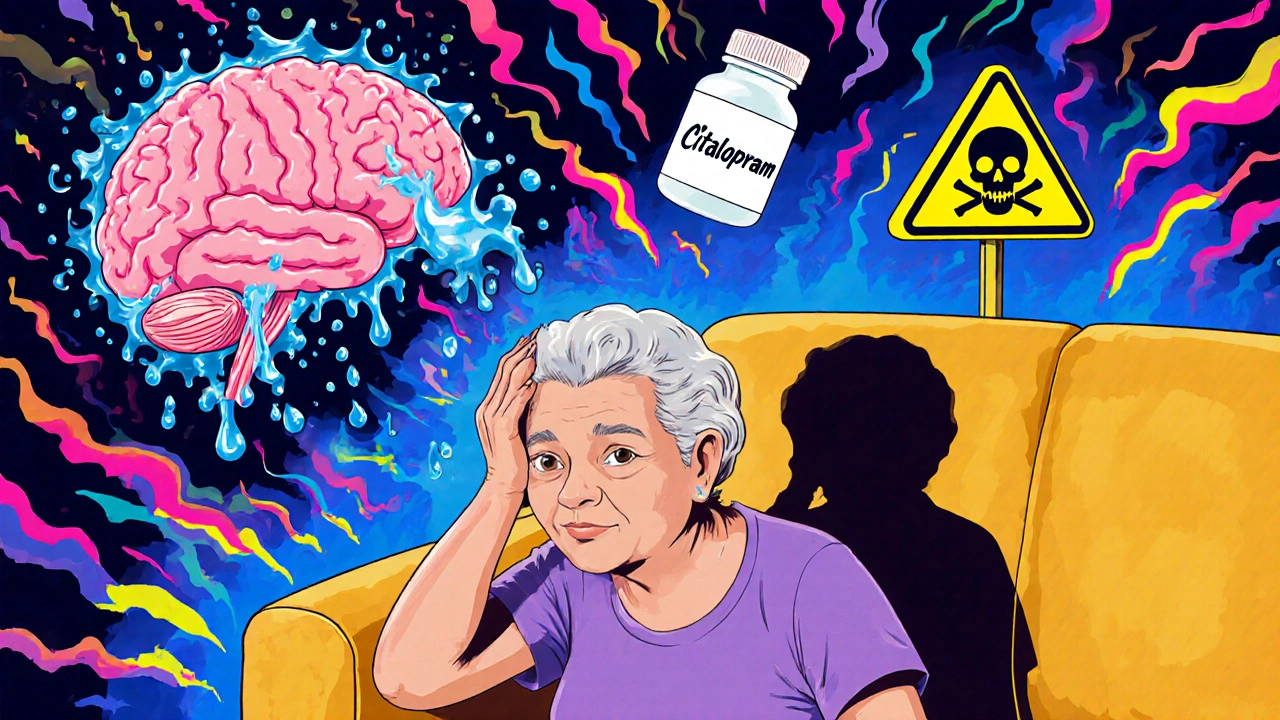
Low Sodium from Antidepressants: What You Need to Know
When you take antidepressants, medications used to treat depression and some anxiety disorders. Also known as psychiatric drugs, they help balance brain chemicals—but some can quietly disrupt your body’s sodium levels. This isn’t rare. Studies show up to 1 in 3 people on certain antidepressants develop hyponatremia, a condition where blood sodium drops below 135 mmol/L. Also known as low sodium, it’s not just a lab number—it can cause confusion, falls, seizures, and even death if ignored. The risk is highest with SSRIs like sertraline, escitalopram, and paroxetine, especially in older adults, people on diuretics, or those with kidney issues.
How does this happen? Some antidepressants make your kidneys hold onto too much water, diluting the sodium in your blood. It’s not about eating too little salt—it’s about your body’s water balance going off track. You might not feel anything at first. But as sodium drops, you could get headaches, nausea, or feel unusually tired. In older people, it often looks like dementia or just "getting older." That’s why doctors test sodium levels before starting these meds, and again after a few weeks. If you’re on an antidepressant and notice swelling in your legs, frequent urination, or mental fog, don’t brush it off. Ask for a simple blood test.
This isn’t a reason to stop your medication. Many people take these drugs safely for years. But awareness saves lives. If your doctor knows you’re at risk, they can adjust your dose, switch you to a different drug, or monitor you more closely. People with heart failure, kidney disease, or those taking lithium or diuretics are especially vulnerable. And if you’re over 65? Your risk goes up—even if you’re otherwise healthy. The good news? Most cases of low sodium from antidepressants reverse quickly once the cause is found and managed.
Below, you’ll find real-world insights from people who’ve dealt with this side effect, how to talk to your pharmacist about it, and what alternatives exist if your current med is causing trouble. You’re not alone—and you don’t have to guess what’s going on with your body.