Migraine Attacks: Causes, Triggers, and How Medications Can Help
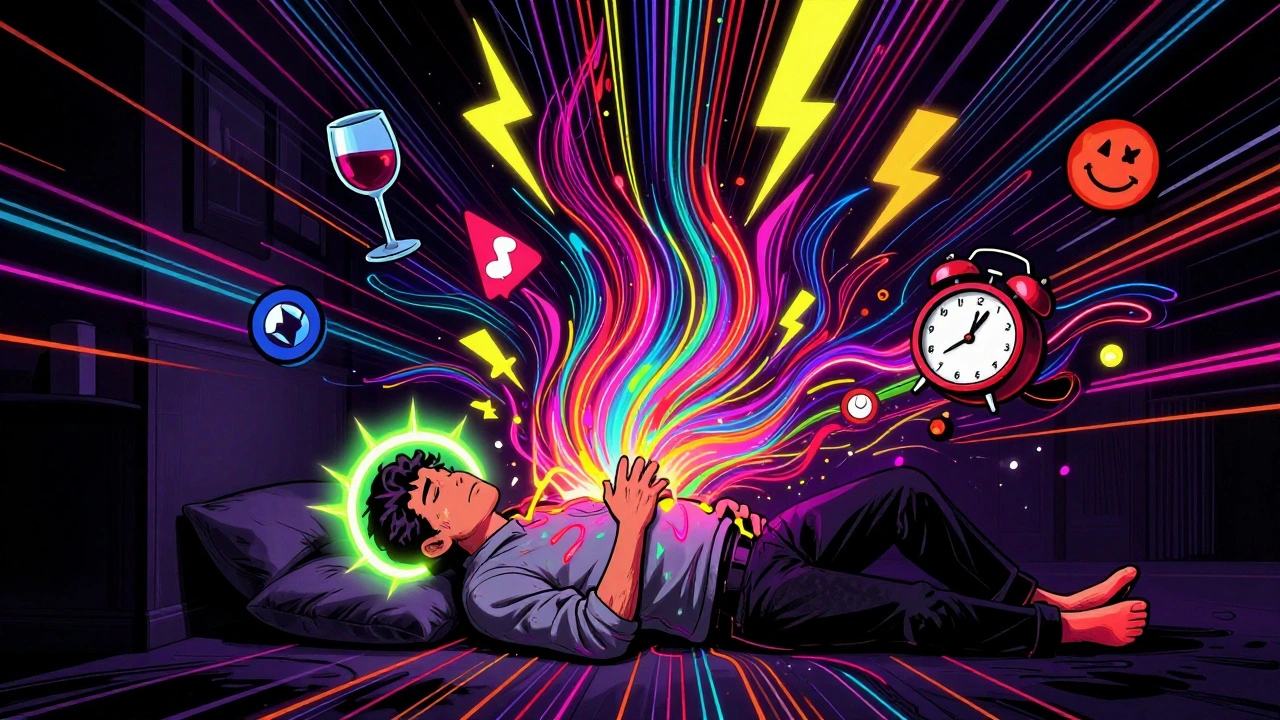
When you experience a migraine attack, a severe, recurring neurological condition characterized by intense head pain, nausea, and sensitivity to light or sound. Also known as migraine with aura when visual disturbances occur, it’s not just a headache—it’s a whole-body event that can last hours or days. Unlike tension headaches, migraine attacks involve changes in brain chemistry, blood flow, and nerve signaling, often triggered by things you might not expect—like sleep changes, weather shifts, or even certain foods.
Many people with migraine triggers, specific factors that set off an attack, such as stress, hormonal fluctuations, caffeine withdrawal, or bright lights think they’re just unlucky. But research shows that identifying and avoiding your personal triggers can reduce attack frequency by up to 50%. For example, skipping meals, drinking red wine, or sleeping too much on weekends can all act as silent triggers. And while migraine medication, drugs designed to stop or prevent attacks, including triptans, CGRP inhibitors, and preventive pills like beta-blockers or antiseizure drugs can be lifesavers, they’re not one-size-fits-all. What works for one person might do nothing—or cause side effects—for another.
What’s interesting is how often migraine attacks are misunderstood. Some think they’re just "bad headaches," but they’re actually linked to conditions like depression, anxiety, and even sleep apnea. And while you might hear about people using supplements or acupuncture, the most reliable relief still comes from targeted meds and lifestyle adjustments backed by real data. You’ll find posts here that explain how medications build up over time, how placebos can mimic side effects, and why some people react badly to even common pain relievers. You’ll also see how insurance rules, generic alternatives, and pharmacy systems impact what’s actually available when you need it most.
Whether you’re trying to figure out why your last attack hit after a nap, or you’re tired of meds that don’t work, the articles below give you the straight facts—no fluff, no hype. You’ll learn what actually helps, what to watch out for, and how to talk to your doctor or pharmacist about real solutions. This isn’t guesswork. It’s what works for people living with this every day.