Migraine Management: Practical Strategies for Relief and Prevention
When you’re stuck in a migraine, a severe, often disabling headache that can last hours or days, usually with nausea, light sensitivity, and sometimes visual disturbances. Also known as chronic headache disorder, it’s not just a bad headache—it’s a neurological event that disrupts your life. Many people treat migraines like ordinary headaches, popping painkillers and hoping for the best. But that’s like using a bandage for a broken bone. Effective migraine management means understanding triggers, using the right tools at the right time, and knowing when to call for help.
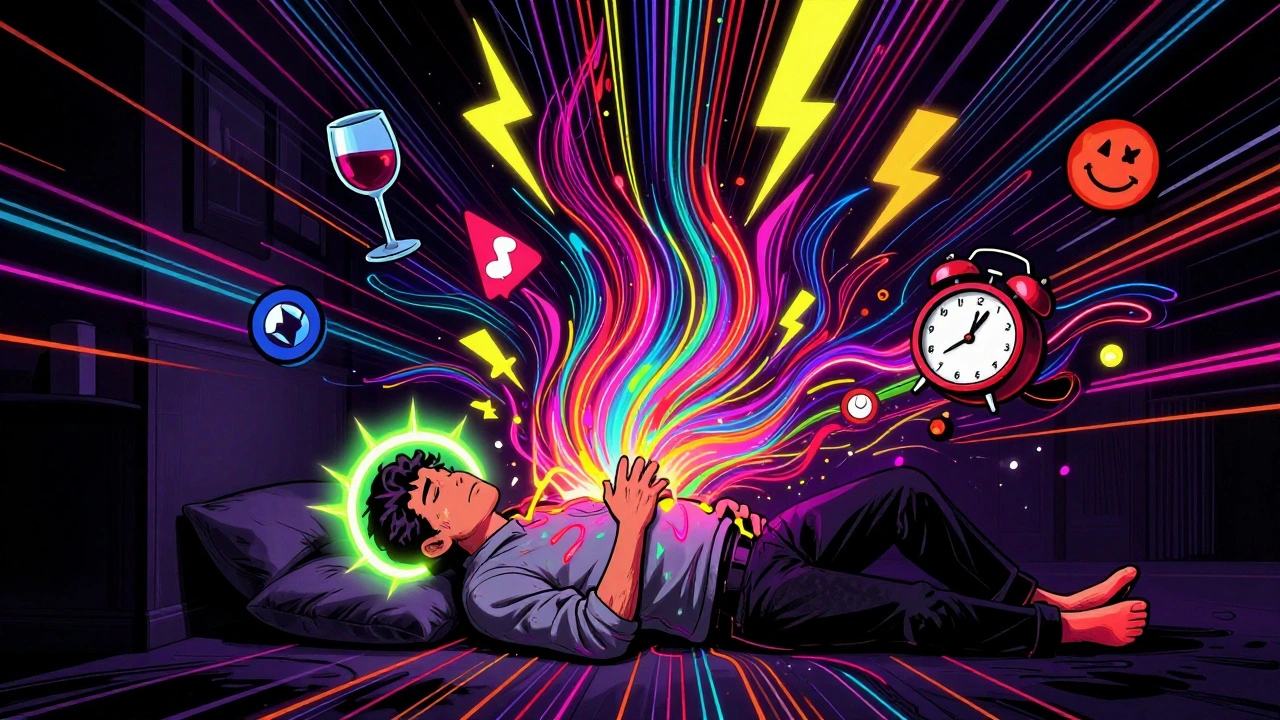
Migraines don’t happen in a vacuum. They’re tied to things you do, eat, sleep, or even miss. Common triggers include skipped meals, too much caffeine, poor sleep, stress, bright lights, or hormonal shifts. Some people find that weather changes or strong smells set off an attack. The key isn’t to eliminate all triggers—that’s impossible—but to spot your personal ones. Keep a simple log: what you ate, how much you slept, your stress level, and when the pain hit. Over time, patterns show up. You might notice that every third Tuesday, after a late night and a glass of red wine, you’re in trouble. That’s not coincidence. That’s data.
Medications play a big role, but not all are created equal. For acute attacks, triptans like sumatriptan can stop a migraine in its tracks—if taken early. But if you’re using them more than twice a week, you risk rebound headaches. Preventive meds like beta-blockers, antiseizure drugs, or CGRP inhibitors are meant for people who have frequent attacks, not occasional ones. And don’t assume natural remedies are safer. Butterbur and magnesium can help, but only if you take the right dose. Too much magnesium causes diarrhea. Too little does nothing. Talk to your doctor before starting anything, even if it’s sold as a supplement.
There’s also a quiet side to migraine management that most people ignore: your nervous system. Chronic migraines can rewire how your brain processes pain. That’s why stress management isn’t just "good advice"—it’s medical treatment. Techniques like biofeedback, mindfulness, or even regular aerobic exercise can reduce attack frequency by 30% or more. One study found that people who did 40 minutes of brisk walking three times a week had fewer migraines than those who only took pills.
And let’s talk about the stigma. Some still think migraines are "just in your head." They’re not. They’re real, measurable, and backed by brain imaging. If your job, family, or friends don’t get it, that’s their problem—not yours. You don’t need to justify your pain. You just need the right tools.
Below, you’ll find real stories and science-backed advice on how to handle migraines without overmedicating, avoiding dangerous interactions, and working with your care team to build a plan that fits your life—not the other way around. Whether you’re new to this or have been fighting migraines for years, there’s something here that can help you feel better, faster, and more in control.