Migraine Triggers: What Sets Off Your Headaches and How to Fight Back
When a migraine, a severe, often disabling headache that can last hours or days, often accompanied by nausea, light sensitivity, and visual disturbances. Also known as chronic headache disorder, it’s not just bad luck—it’s your body reacting to specific triggers. Many people think migraines come out of nowhere, but they rarely do. They’re usually set off by something you’ve done, eaten, or been exposed to—even if it seems harmless. The real question isn’t why you got one, but what pushed you over the edge.
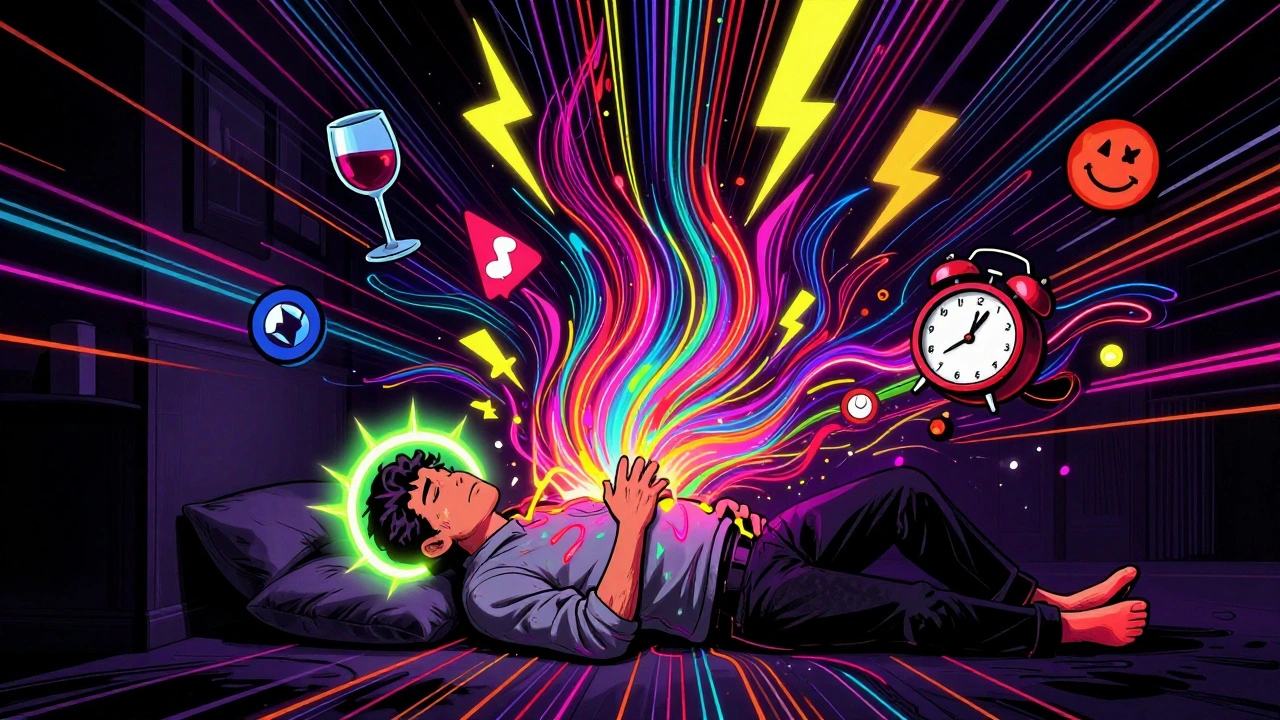
Common migraine triggers, factors that can initiate or worsen migraine attacks in susceptible individuals include sleep changes, weather shifts, strong smells, and yes—even some medications. For example, drugs like SSRIs, a class of antidepressants that can affect serotonin levels and sometimes trigger headaches as a side effect are known to cause dizziness or head pressure in some users. Even something as simple as skipping a meal or drinking too much caffeine can flip a switch. And stress? It’s not just "in your head." Chronic stress changes how your nervous system responds, making you more likely to hit that migraine threshold. It’s not about being weak—it’s about biology.
What’s interesting is that triggers aren’t the same for everyone. One person might get a migraine after red wine, another after cheese, and someone else only when they’re overtired. That’s why tracking your own patterns matters more than any generic list. You can’t avoid every possible trigger—but you can learn which ones are yours. Look back at your last three attacks: What were you doing? What did you eat? Did you sleep less than usual? Were you on a new med? Sometimes, the culprit isn’t obvious. That’s where tools like medication logs and symptom journals help. They turn guesswork into clear patterns.
And here’s the thing: triggers don’t act alone. They stack up. One stressor might not be enough. Add poor sleep, then a bright screen, then a skipped lunch—and suddenly your brain says, "Enough." That’s why people say, "I didn’t do anything different today." But you did. You just didn’t notice the little things. This is why understanding cumulative effects matters. It’s the same logic behind cumulative drug toxicity, when side effects from medications build up slowly over time, leading to unexpected problems. Your body doesn’t always react right away. The damage—or the trigger—accumulates.
What you’ll find below isn’t a list of myths or "must-avoid" foods. It’s a real collection of posts from people who’ve been there. You’ll see how medication side effects like dizziness or confusion can mimic or worsen migraines. You’ll learn how insurance rules might force you onto a new drug that triggers headaches. You’ll read about how placebos can cause real symptoms—and how expectations shape pain. You’ll even find out how flying with meds or switching generics can accidentally set off a flare-up. These aren’t random stories. They’re patterns. And they’re your roadmap to taking control.