Senior Medications: What You Need to Know About Safety, Interactions, and Common Prescriptions
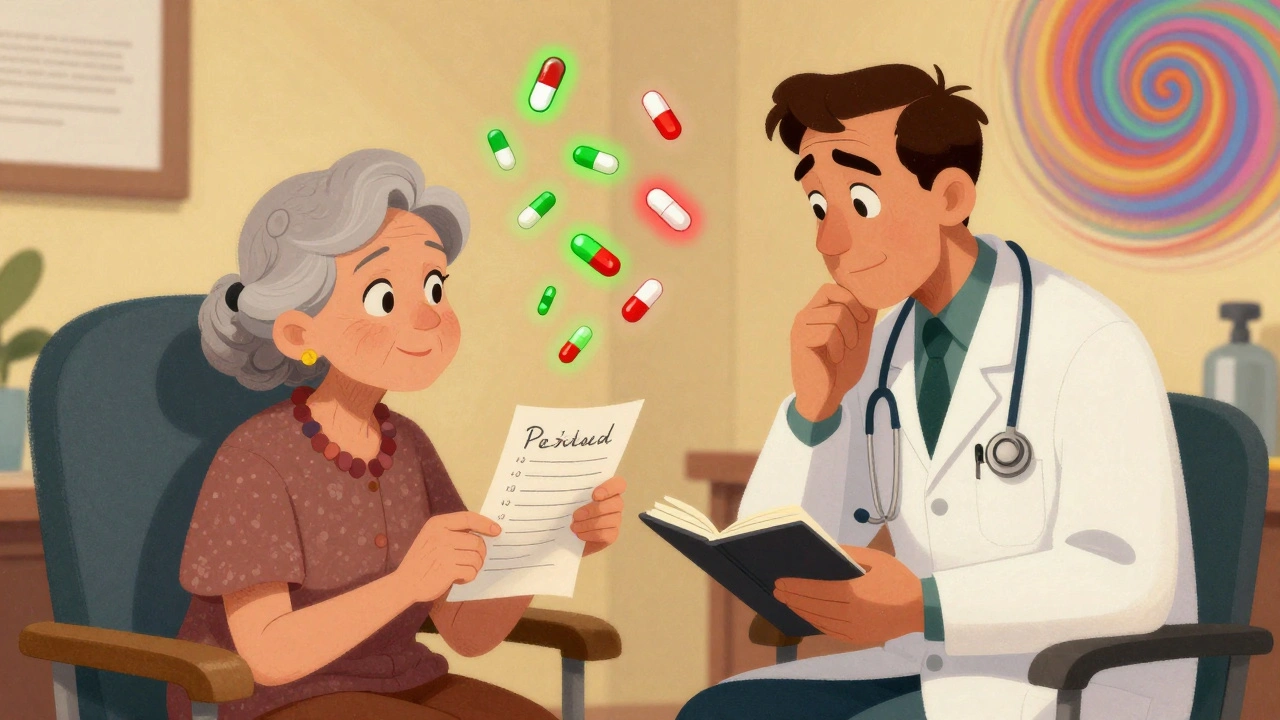
When it comes to senior medications, drugs prescribed to older adults to manage chronic conditions like high blood pressure, diabetes, or arthritis. Also known as geriatric medications, they’re not just weaker versions of adult drugs—they’re often handled differently because aging changes how the body absorbs, processes, and gets rid of them. Your liver and kidneys don’t work as fast after 65, so a pill that was fine at 40 can build up and cause dizziness, confusion, or falls at 75. That’s why senior medications need special care—not because they’re dangerous, but because your body’s changed.
Many seniors take five or more prescriptions at once, a situation called polypharmacy, the use of multiple medications by a patient, often leading to increased risk of adverse effects. It’s not always avoidable—heart disease, arthritis, and depression often come together—but it’s risky. One drug can mess with another. For example, a blood pressure pill might make you dizzy, and if you’re also on a sleep aid or painkiller, that dizziness gets worse. Even over-the-counter stuff like antacids or sleep aids can cause trouble. drug interactions, when two or more medications react in a way that changes their effect, sometimes dangerously are the silent killers in older adults. They don’t always show up right away. Sometimes, it’s just fatigue, memory slips, or a fall that no one connects to the meds.
Side effects like elderly drug side effects, common adverse reactions in older patients, including dizziness, confusion, constipation, and low sodium levels are often dismissed as "just getting older." But dizziness isn’t normal—it’s often from blood pressure meds or diuretics. Confusion? Could be from anticholinergics in allergy pills or bladder meds. Low sodium? SSRIs can cause that, especially in seniors. These aren’t just annoyances—they lead to hospital visits, broken hips, and lost independence. That’s why a medication review with your pharmacist or doctor every six months isn’t optional. It’s a safety check.
You don’t need to stop all your meds. But you do need to know which ones are doing the most good and which might be doing more harm. Some drugs that were standard a decade ago—like certain sleeping pills or antipsychotics for dementia—are now flagged as risky for seniors. Newer options exist, and generics often work just as well at a fraction of the cost. And if you’re switching from brand to generic, or adding a new supplement, talk to your pharmacist. They see the whole picture—what you’re taking, what you’re not telling your doctor, and what might be clashing.
Below, you’ll find real stories and facts about what happens when senior medications don’t match the body’s needs. From how insurance blocks cheaper generics to why expired pills can be dangerous in older adults, these posts cut through the noise. No fluff. Just what you need to keep your meds working—and keep you steady on your feet.

How to Use Home Health Services for Medication Management