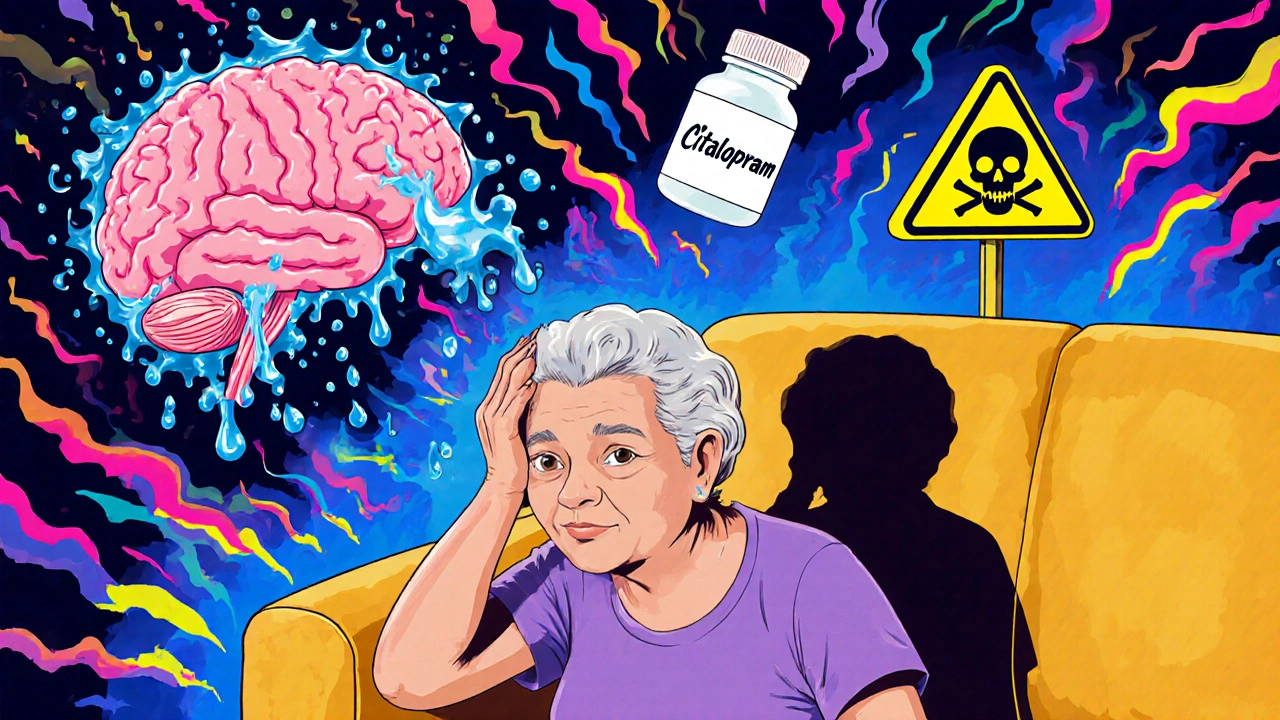
Serotonin Syndrome: Causes, Signs, and Medications That Trigger It
When your body gets too much serotonin, a natural chemical that helps regulate mood, sleep, and digestion. Also known as serotonin toxicity, it’s not just a side effect—it’s a medical emergency that can turn deadly in hours. This isn’t rare. It happens when two or more drugs that boost serotonin are taken together, even if they’re prescribed by different doctors. People often don’t realize they’re at risk because the symptoms start slowly—like a bad case of the flu—and get worse fast.
Common triggers include SSRIs, antidepressants like fluoxetine, sertraline, and escitalopram that increase serotonin in the brain, and MAO inhibitors, older antidepressants that prevent serotonin from breaking down. Even over-the-counter stuff like dextromethorphan (in cough syrup) or St. John’s wort can push you over the edge if mixed with these. And it’s not just antidepressants—migraine meds like triptans, painkillers like tramadol, and even some illegal drugs like MDMA can cause it too. The real danger? You might be taking two safe drugs, but together they create a storm inside your body.
Watch for the classic trio: agitation, muscle rigidity, and high fever. Other signs include fast heart rate, sweating, shivering, diarrhea, and confusion. If you’re on an antidepressant and suddenly feel like you’re coming down with the flu but worse—especially after starting a new med or increasing a dose—don’t wait. Go to the ER. Most cases are caught early and treated by stopping the drugs and giving supportive care. But if ignored, serotonin syndrome can lead to seizures, organ failure, or death.
What you’ll find here are real stories from people who’ve been there, guides on how to talk to your pharmacist about dangerous combinations, and clear breakdowns of the meds most likely to cause trouble. No fluff. Just what you need to stay safe and recognize the warning signs before it’s too late.