Brand Name Drugs: What They Are, Why They Cost More, and How Generics Compare
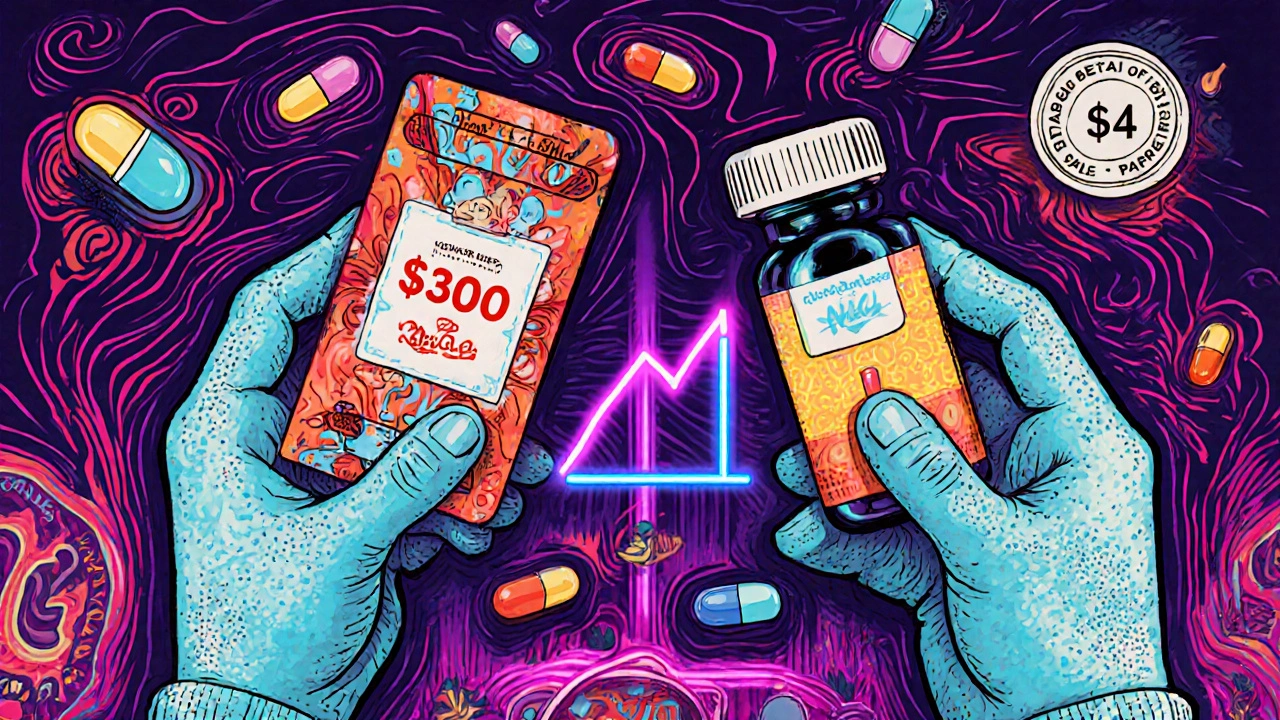
When you hear brand name drugs, the original version of a medication developed and marketed by a pharmaceutical company under a patent. Also known as innovator drugs, they’re the first to hit the market after years of research and clinical trials. These are the pills you see advertised on TV—Lipitor, Nexium, Prozac—packaged with sleek labels and big price tags. But here’s the thing: once the patent runs out, the exact same medicine, made by a different company, becomes available for a fraction of the cost. That’s the generic medication, a copy of a brand name drug that contains the same active ingredient, strength, and dosage form. Also known as generic drugs, they’re required by the FDA, the U.S. agency that regulates drugs to ensure safety and effectiveness. Also known as Food and Drug Administration, it to meet the same standards as the original. The FDA doesn’t treat generics as second-rate. In fact, they must prove they work the same way in your body.
So why do brand name drugs cost so much? It’s not because they’re better. It’s because the company that made them spent millions developing the drug, running tests, and lobbying for approval. They get a 20-year patent to recoup those costs—and sometimes longer, thanks to legal tricks like patent thickets or minor formula tweaks. During that time, no one else can sell the same drug. Once the patent expires, dozens of companies can jump in. But even then, it’s not instant. The Hatch-Waxman Act, a 1984 law designed to balance innovation and access by speeding up generic approval. Also known as Drug Price Competition and Patent Term Restoration Act, it lets generic makers skip expensive clinical trials, but they still have to file paperwork, wait for review, and sometimes fight legal battles. That’s why you might wait years after a patent expires before you see a cheap version on the shelf.
Most people don’t realize that over 90% of prescriptions filled in the U.S. are for generics. That’s not because doctors are pushing them—it’s because they work just as well and save patients hundreds, sometimes thousands, per year. For chronic conditions like high blood pressure, diabetes, or depression, switching to a generic can cut your monthly bill by 80%. And if your insurance blocks a generic with prior authorization? You’re not alone. Many plans now require extra steps for even the cheapest drugs, claiming it’s about safety—but often, it’s about profit margins. The real question isn’t whether generics are safe. It’s why the system makes it so hard to choose them.
Brand name drugs aren’t going away. Some people still prefer them—maybe because they’ve used them for years, or because their doctor insists. But understanding the difference between brand and generic isn’t just about saving money. It’s about knowing your rights as a patient. You deserve to know what’s in your medicine, why it costs what it does, and whether you’re paying for science or marketing. Below, you’ll find real stories, clear comparisons, and practical guides on how to navigate the system, switch safely, and get the care you need without overpaying.

Generic Drugs: Complete Definition and Core Characteristics