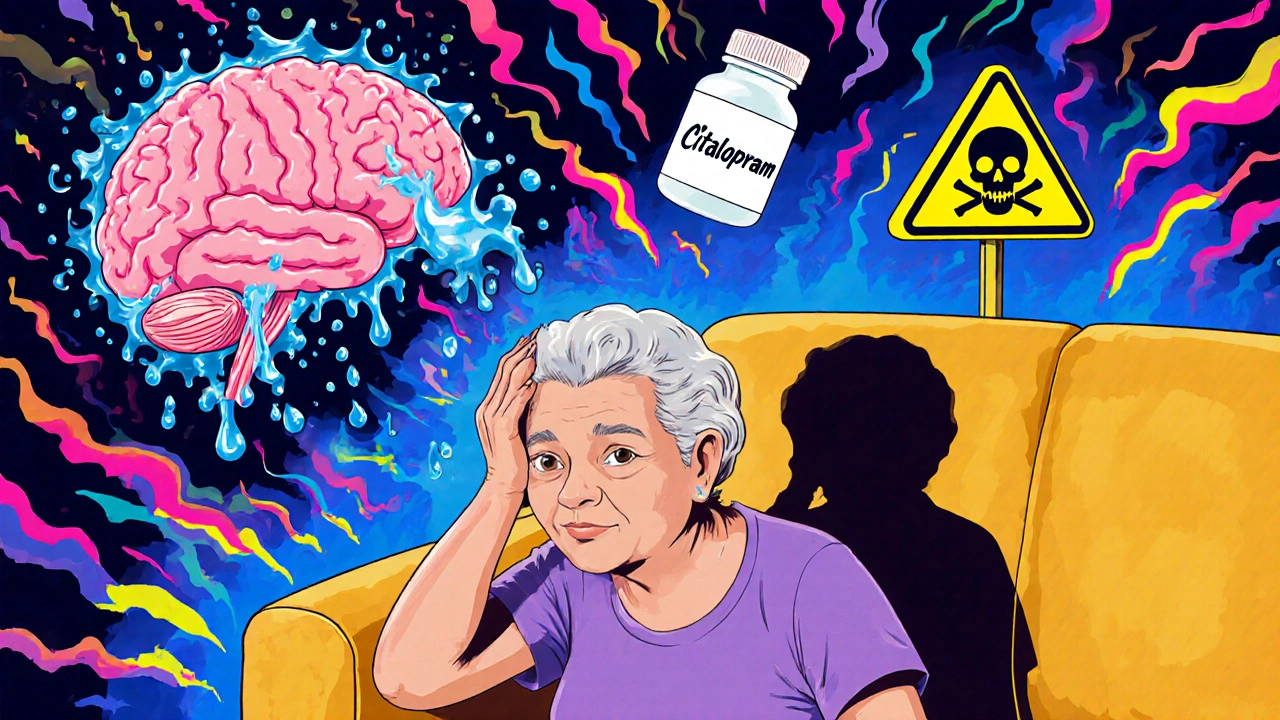
SSRI Side Effects: What You Need to Know Before Starting or Switching
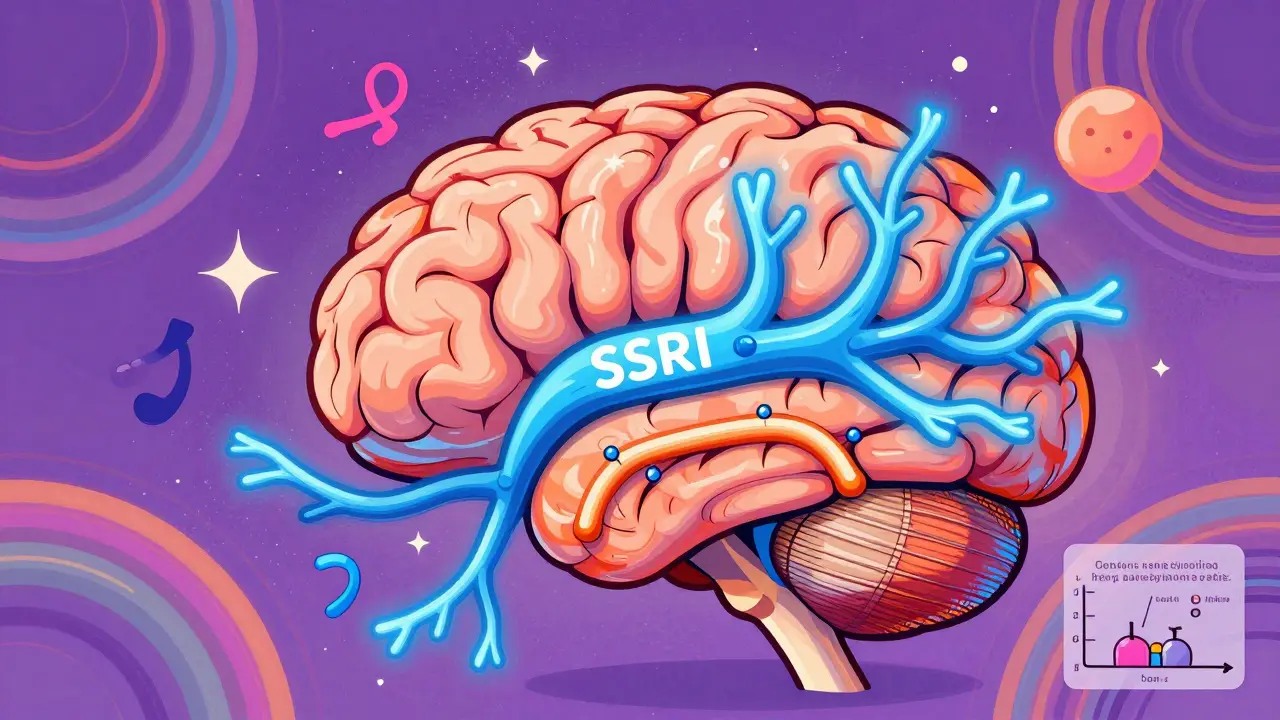
When you start an SSRI, a class of antidepressants that increase serotonin levels in the brain to improve mood. Also known as selective serotonin reuptake inhibitors, these drugs are among the most prescribed mental health medications in the world. But while they help millions, they don’t come without trade-offs. Many people stop taking them not because they don’t work, but because of side effects that sneak up on them — nausea, sleep changes, or worse. The truth? Not all SSRI side effects are created equal. Some fade in weeks. Others stick around. And a few need immediate attention.
One of the most talked-about issues is sexual dysfunction, a common and often under-discussed effect where libido, arousal, or orgasm become harder to achieve. Studies show up to 70% of users report some form of this, yet few doctors bring it up first. Then there’s weight gain, a slow, frustrating buildup that can happen months after starting treatment. It’s not guaranteed, but it’s common enough that you should track your habits early. And then there’s the scary one: serotonin syndrome, a rare but dangerous spike in serotonin that can cause confusion, rapid heartbeat, and muscle rigidity. It’s not something you get from taking one SSRI alone — it usually happens when you mix meds, or bump up the dose too fast. That’s why starting low and going slow matters.
What most people don’t realize is that side effects aren’t random. They’re tied to the specific drug you’re on. Fluoxetine might leave you jittery at first. Sertraline could cause stomach upset. Escitalopram might hit you with fatigue. And paroxetine? It’s the one most linked to weight gain and drowsiness. Your doctor doesn’t just pick one because it’s cheap — they pick it based on your history, your lifestyle, even your sleep patterns. And if you’ve tried one and it didn’t work or made things worse, switching isn’t failure. It’s strategy.
You’ll find posts here that break down what really happens when you take these drugs — not just the textbook list of side effects, but real patterns from people who’ve lived through them. We cover how to tell if what you’re feeling is normal or a red flag, why some side effects disappear while others don’t, and how to talk to your provider without sounding like you’re complaining. You’ll also see how these meds connect to broader issues — like stigma around psychiatric treatment, how insurers decide what’s covered, and why generic versions might behave slightly differently than brand names. This isn’t just about pills. It’s about your life, your body, and your right to feel better without losing yourself in the process.

Buspirone Augmentation with SSRIs: Side Effects, Efficacy, and Real-World Use