Pharmacy Workflow and Generic Drug Insights for November 2025
When you pick up a prescription, you’re seeing the end result of a complex system called pharmacy workflow, the series of steps pharmacists and systems follow to safely dispense medication. Also known as medication dispensing process, it’s what keeps you from getting the wrong drug, dose, or pill altogether. Modern pharmacies don’t just count pills—they use barcode scanners, AI checks, and robotic compounding systems to slash errors by up to 90%. This isn’t science fiction. It’s daily practice in clinics and hospitals that protect real people from preventable harm.
Behind every pill is a story about money, law, and access. That’s where generic drugs, lower-cost versions of brand-name medications approved by the FDA as equally safe and effective. Also known as off-patent drugs, they make up 90% of prescriptions but only 23% of total drug spending come into play. But getting them isn’t as simple as waiting for a patent to expire. Legal delays, corporate tactics, and insurance rules can hold them back for years. Insurers don’t just pick generics because they’re cheap—they use insurance formulary, a list of approved drugs a plan will cover, decided by expert committees based on cost, safety, and clinical data. Also known as drug list, it controls what you can get without extra paperwork. If your generic isn’t on it, you might face prior authorization, higher copays, or even a denial. And if your drug is part of a drug supply chain, the network of manufacturers, distributors, and pharmacies that move medicine from factory to shelf. Also known as medication distribution system, it’s fragile—shortages happen when one factory overseas shuts down or raw materials get delayed, you’re the one who feels it.
It’s not just about getting the right pill. It’s about knowing when it’s safe to switch from brand to generic, why expiration dates matter more for drugs like warfarin or lithium, and how to talk to your pharmacist about supplements that might mess with your meds. You’ll find guides on flying with insulin, dealing with mental health stigma, and why your insurer blocks a generic even though it’s cheaper. These aren’t abstract topics—they’re daily hurdles for patients, caregivers, and providers. Whether you’re managing chronic kidney disease, navigating insurance changes in 2025, or just trying to save money without risking your health, this collection gives you the straight facts you need—no fluff, no jargon, just what works.
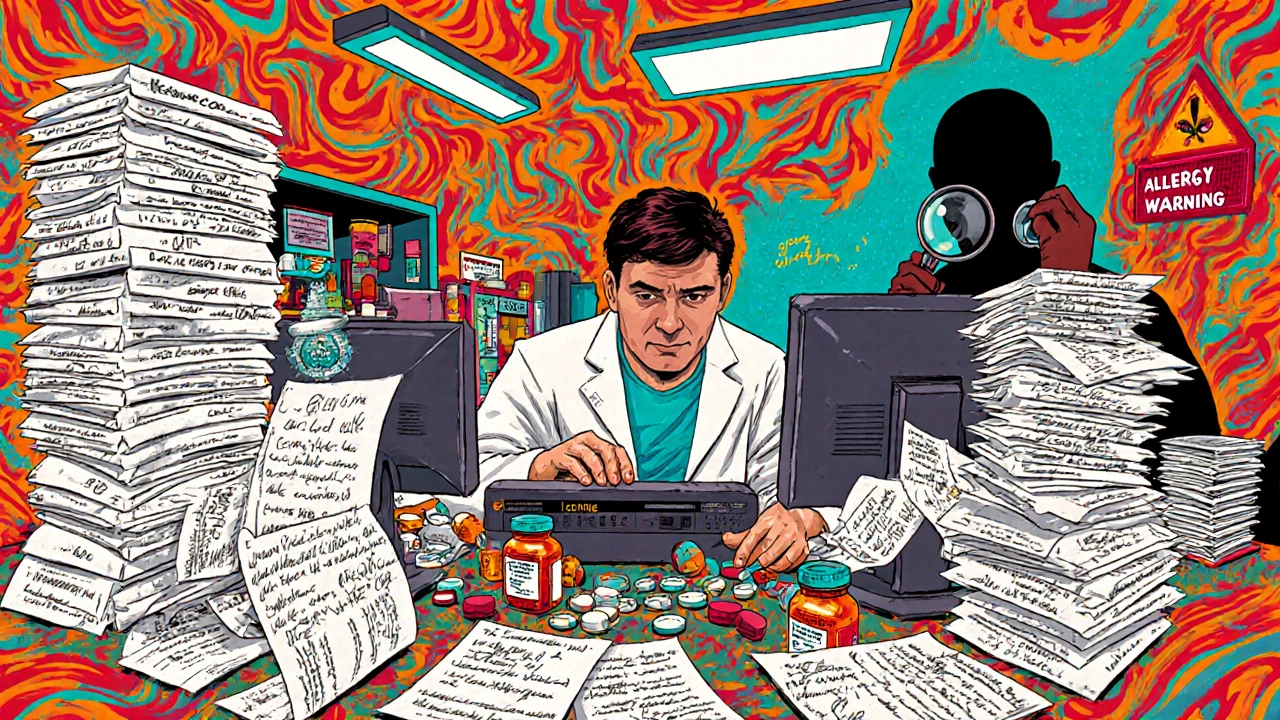

Pharmacy Workflow and Error Prevention Systems Explained
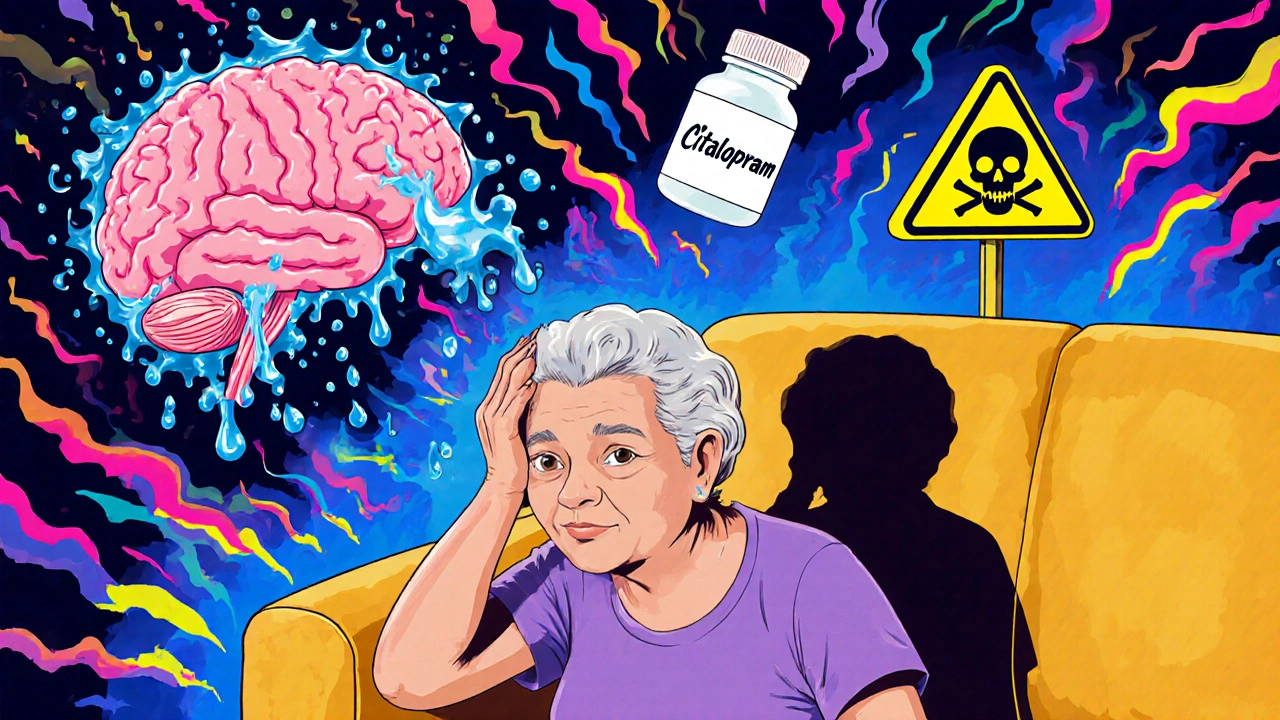
Hyponatremia from SSRIs: What You Need to Know About Low Sodium and Confusion Risk
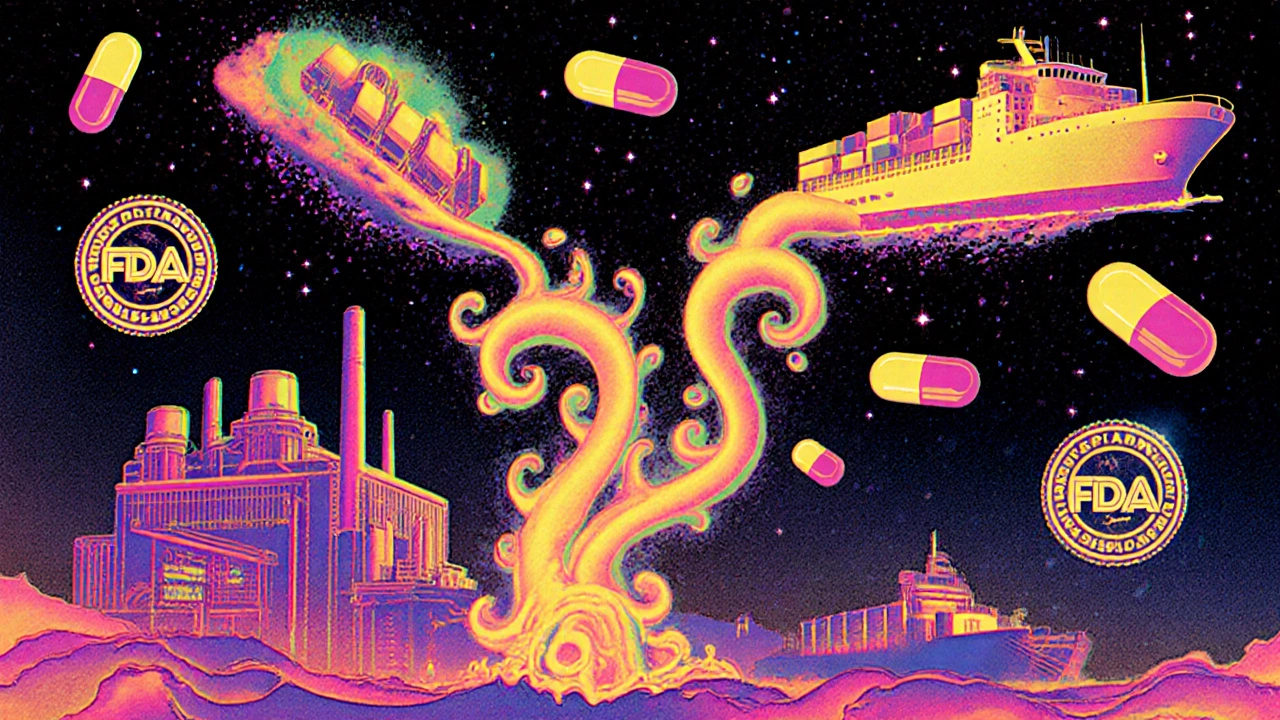
Generic Drug Supply Chain: How Medicines Reach Pharmacies
TSA Guidelines for Flying with Prescription Medications: What You Need to Know in 2025
How to Address Stigma When Discussing Mental Health Medications
Medications with a Narrow Therapeutic Index: Why Expiration Dates Matter More Than You Think
How Insurers Decide Which Generic Drugs to Cover
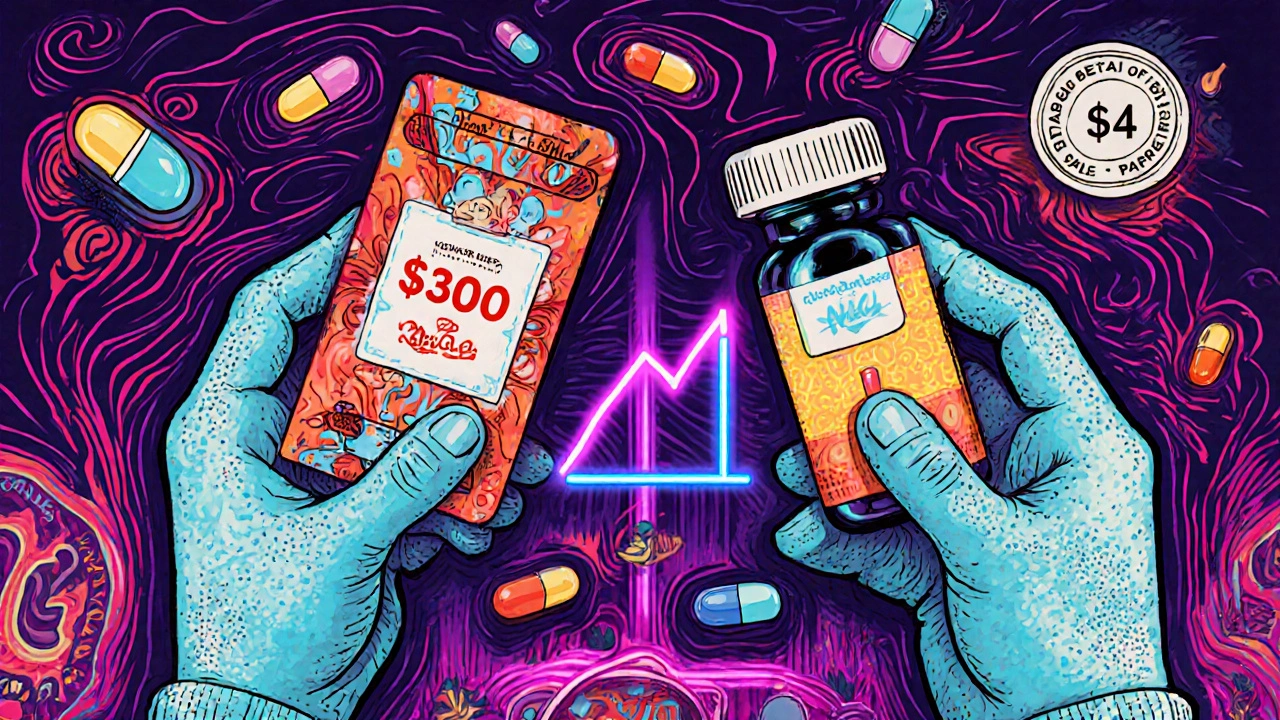
Why Switch to Generic Medications: Proven Reasons and Real Savings
Generic Drug Availability: How Long After Patent Expiration Until You Can Buy It?