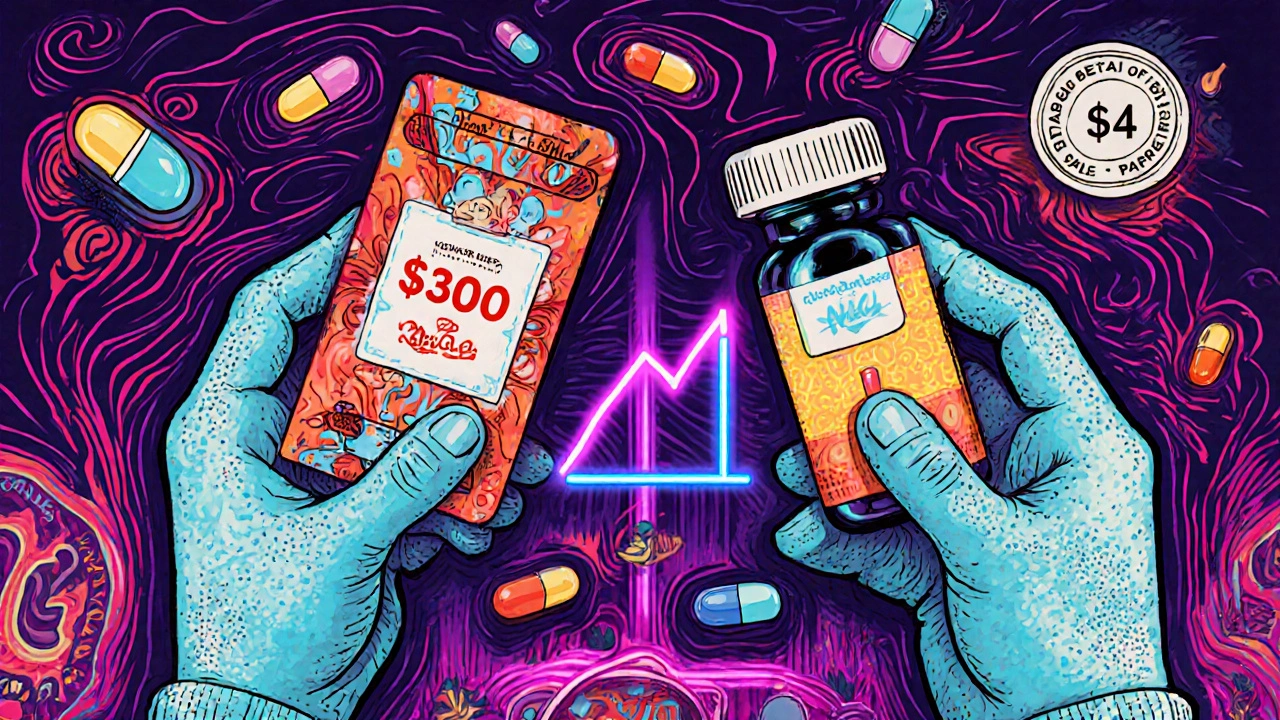
FDA Approval: What It Really Means for Your Medications
When you see FDA approval, the U.S. Food and Drug Administration’s official confirmation that a drug is safe and effective for its intended use. Also known as drug clearance, it’s not a formality—it’s the gatekeeper between a lab and your medicine cabinet. This isn’t just paperwork. It’s the result of years of testing, data review, and real-world risk assessment. The FDA doesn’t approve drugs because they look good on paper. They approve them because the evidence says they work—and the side effects won’t hurt more than the disease they’re meant to treat.
Behind every approved drug is a system built to catch problems before they reach you. For generic drugs, medications that contain the same active ingredient as brand-name drugs but cost far less. Also known as follow-on drugs, they must prove they’re bioequivalent—meaning your body absorbs them the same way. But here’s the catch: just because a patent expires doesn’t mean the generic shows up the next day. Companies can delay entry with legal tricks, patent extensions, or by sitting on their ANDA applications. That’s why some generics take years to appear, even when the original drug’s patent is long gone. And when they finally do? They’re not cheaper because they’re low quality—they’re cheaper because the company didn’t spend millions on marketing or repeating clinical trials.
ANDA approval, the abbreviated pathway the FDA uses to fast-track generic drugs. Also known as Abbreviated New Drug Application, it’s the reason you can buy metformin or lisinopril for pennies. But even this shortcut isn’t simple. The FDA checks every batch, every label, every manufacturing site. They don’t just trust the company’s word—they audit factories, inspect equipment, and demand proof the drug won’t break down in your medicine cabinet. That’s why some generic pills look different from the brand version but work the same. Shape, color, filler—all that’s changed. The active ingredient? Same dose. Same effect. Same safety profile.
And it’s not just about pills. FDA approval covers everything from patches and inhalers to injectables and even rare disease treatments. It’s why you can trust that a drug labeled "FDA-approved" won’t suddenly turn your liver into a minefield. But it’s also why some drugs never make it—because the risks outweigh the benefits. The FDA rejects more applications than most people realize. That’s not bureaucracy. That’s protection.
What you’ll find below are real stories about how FDA approval shapes your access to meds—why some generics vanish from shelves, why insurance blocks cheap alternatives, and how patent games delay life-saving drugs. These aren’t abstract policies. They’re the reason your prescription costs $3 or $300. They’re why your pharmacist asks if you’ve switched brands. And they’re why knowing what FDA approval really means can save you money, time, and even health.

Off-Label Drug Use: Why Doctors Prescribe Medications Beyond FDA Approval
Generic Drugs: Complete Definition and Core Characteristics
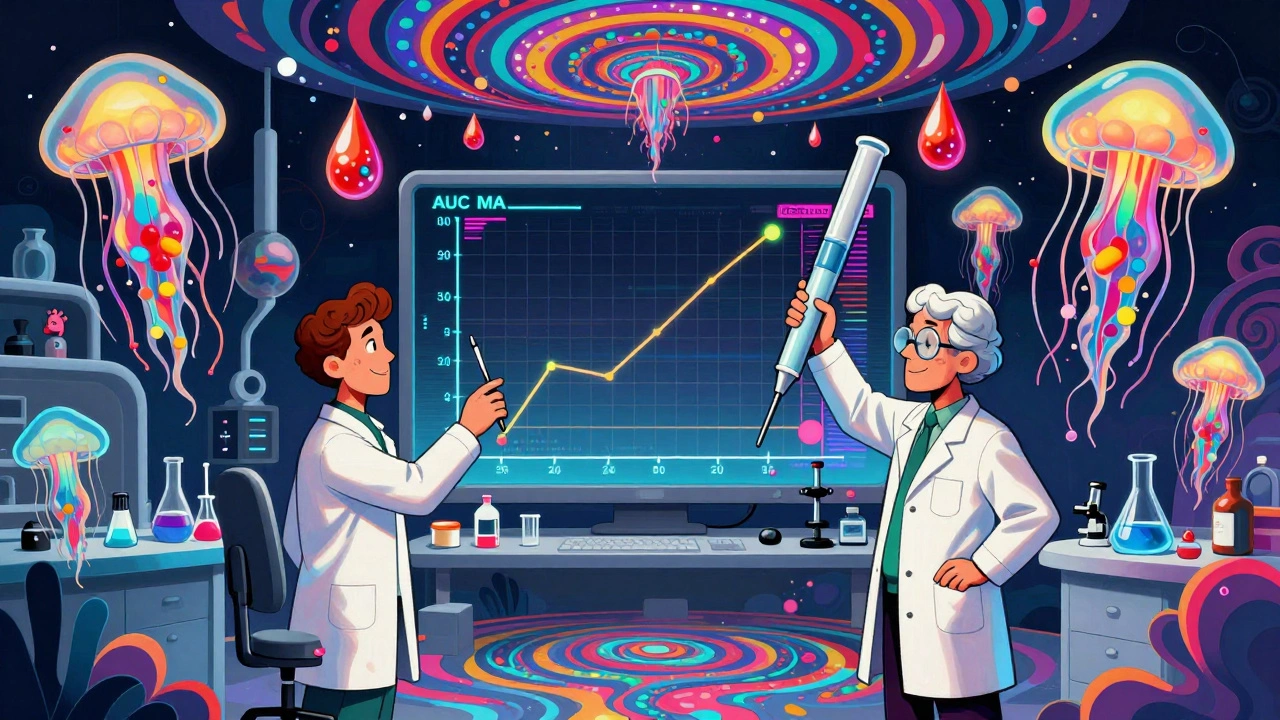
Bioavailability Studies for Generics: What They Test and Why It Matters for FDA Approval