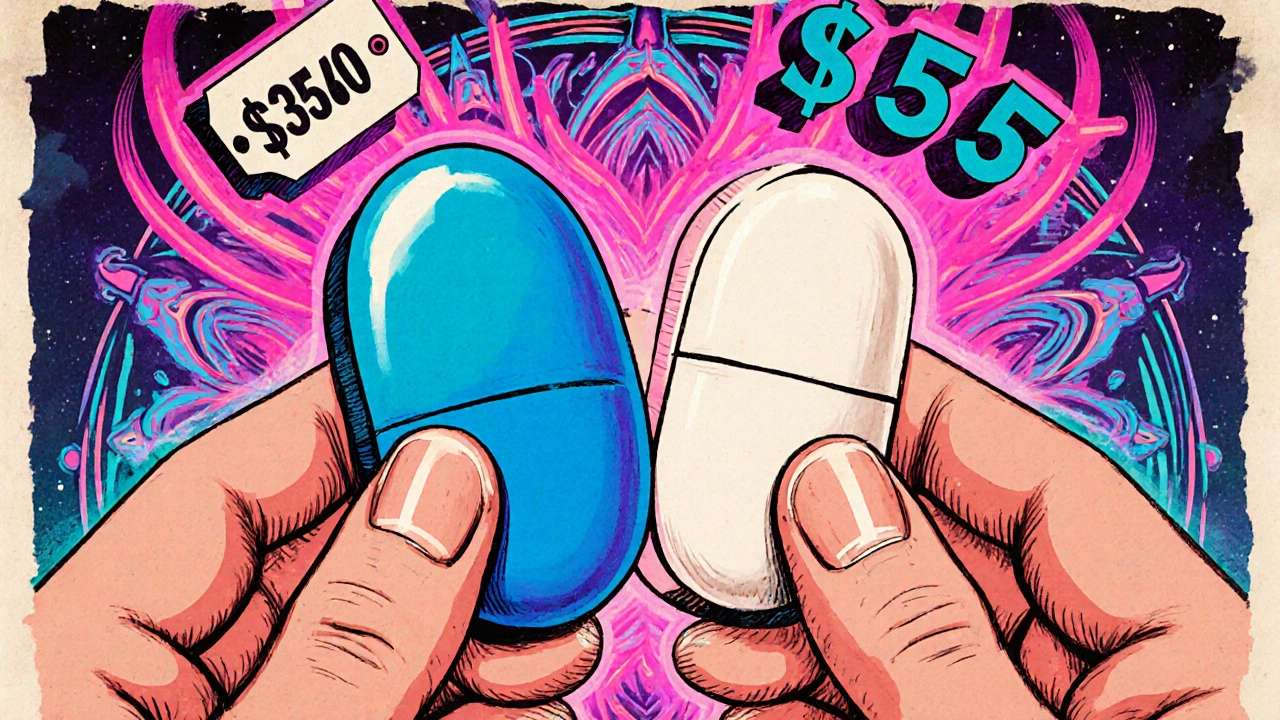
Generic Drugs: What They Are, Why They Save Money, and How to Use Them Safely
When you hear generic drugs, lower-cost versions of brand-name medications that contain the same active ingredients and meet the same safety standards. Also known as generic medications, they are the backbone of affordable healthcare in the U.S. and beyond. You might think they’re cheaper because they’re weaker or made with inferior stuff. That’s not true. The FDA, the U.S. agency that tests and approves all prescription drugs. Also known as Food and Drug Administration, it requires generic drugs to work the same way, in the same amount, and with the same safety profile as the original. They’re not copies—they’re exact matches, just without the marketing budget.
So why do brand-name drugs cost so much more? It’s not because they’re better. It’s because the company that invented it spent years and millions on research, clinical trials, and patents. Once that patent expires, other manufacturers can make the same drug. But here’s the catch: even after the patent ends, you might not see a generic right away. Companies use legal tricks—like patent thickets, a series of overlapping patents that delay generic entry. Also known as patent evergreening, these—to stretch their monopoly. Sometimes it takes years before a generic hits the market. And even when it does, your insurance coverage, the system that determines which drugs your plan will pay for. Also known as pharmacy benefits, this might still require prior authorization or push you toward a different generic. That’s because insurers often have deals with drugmakers or limit which generics they cover to control costs.
Switching to a generic isn’t just about saving money—it’s about making smart choices. A typical generic can cost 80 to 85% less than the brand-name version. For chronic conditions like high blood pressure, diabetes, or depression, that adds up to hundreds or even thousands of dollars a year. But it’s not always automatic. Some people worry generics won’t work as well. They do. Studies show no meaningful difference in effectiveness. Others fear side effects. The same risks exist with both versions. The real issue? Getting your pharmacy to fill it. If your doctor writes a brand-name prescription, the pharmacist can’t swap it for a generic unless the doctor allows it. Always ask: "Is there a generic?" And if your insurance blocks it, ask about a formulary exception. You’re not being difficult—you’re being informed.
Below, you’ll find real stories and practical guides on how to navigate the system: when generics become available, how to spot scams when buying online, why your insurer might refuse coverage, and how to talk to your pharmacist about switching safely. No fluff. Just what works.
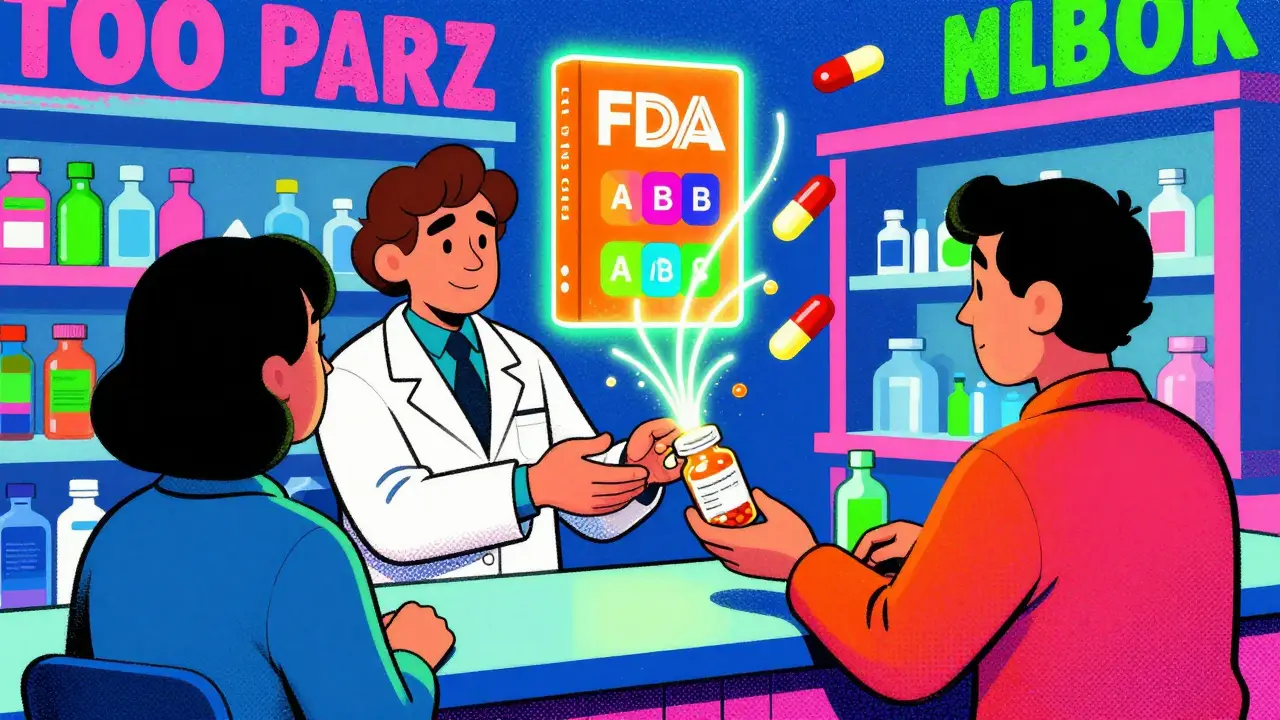

FDA Orange Book: How Approved Generic Drugs Are Listed
Why Generic Combination Products Improve Patient Compliance
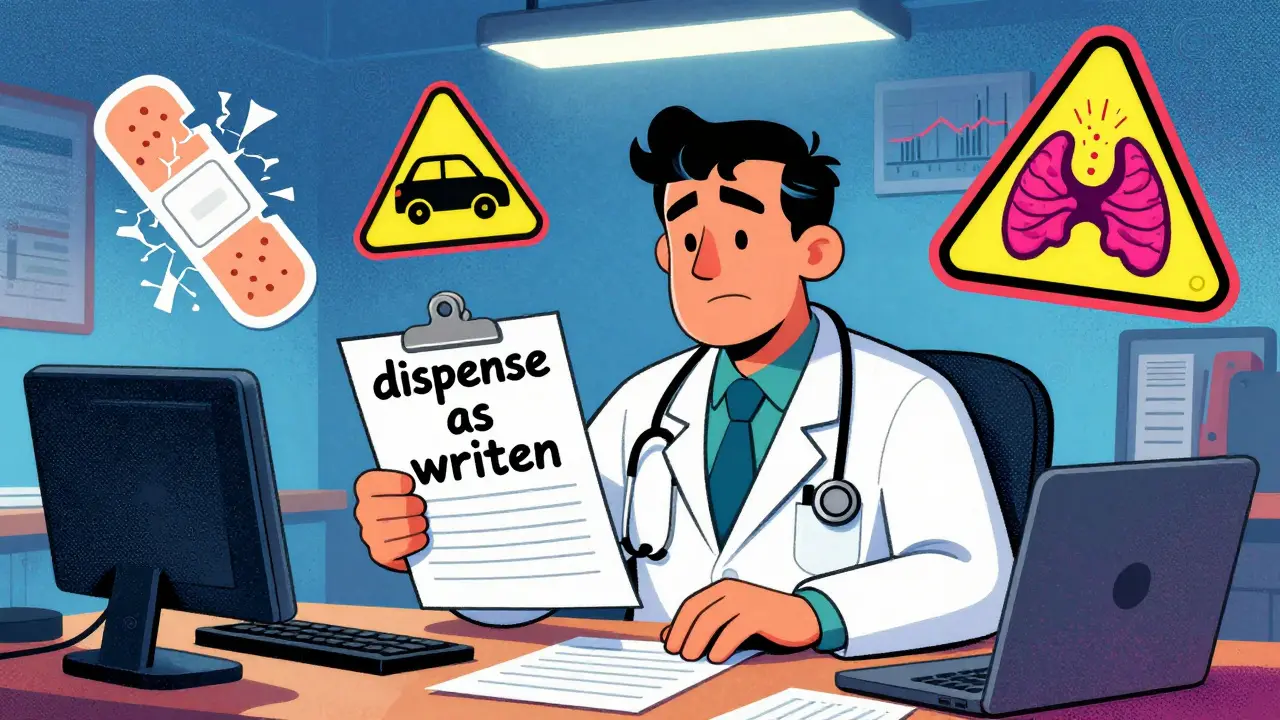
Physician Liability When Prescribing Generic Drugs: What Doctors Need to Know
Generic Drugs: Complete Definition and Core Characteristics
How to Talk to Your Doctor About Generic Medications
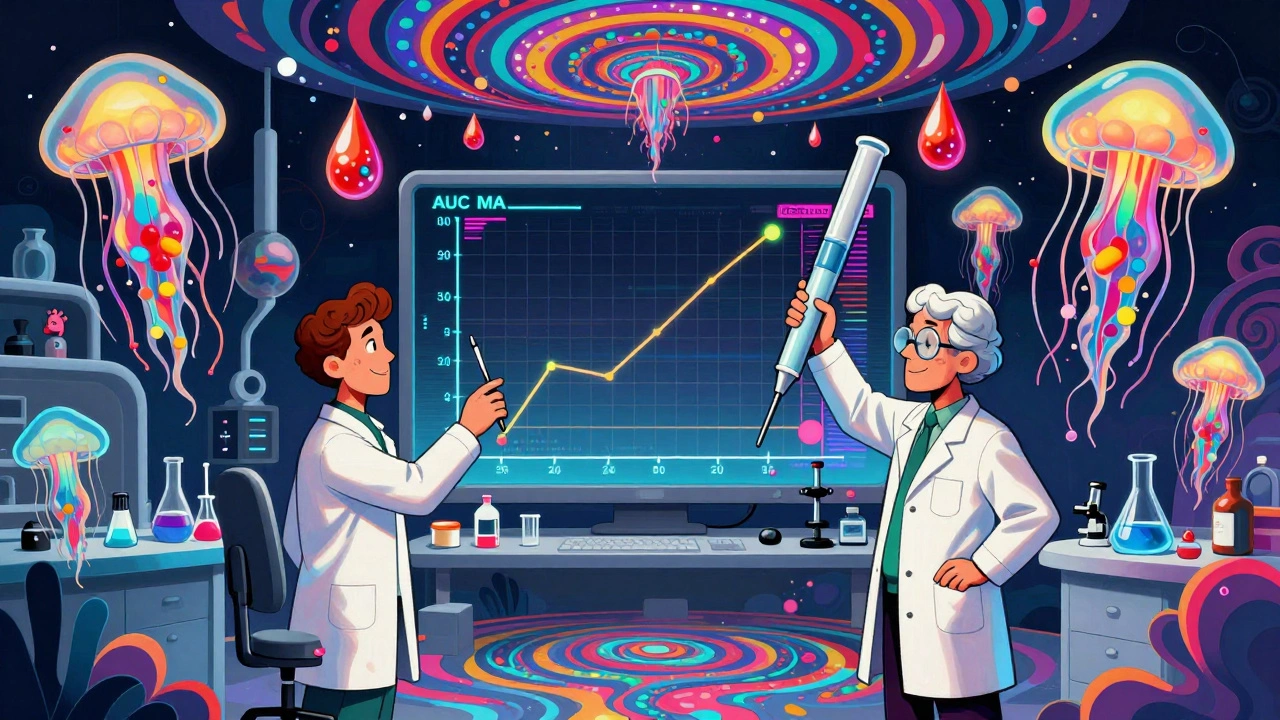
Bioavailability Studies for Generics: What They Test and Why It Matters for FDA Approval
Patent Litigation and Generic Entry: Why Drug Disputes Delay Affordable Medicines
How Insurers Decide Which Generic Drugs to Cover